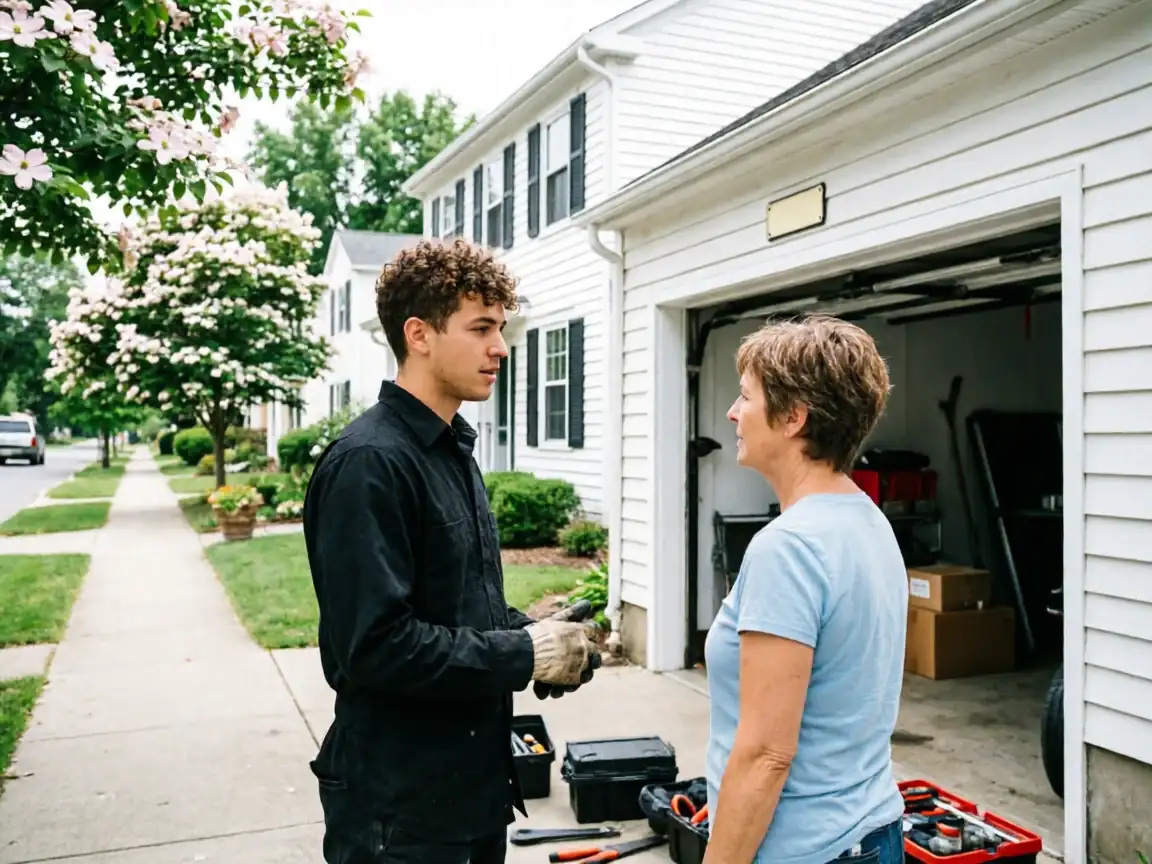
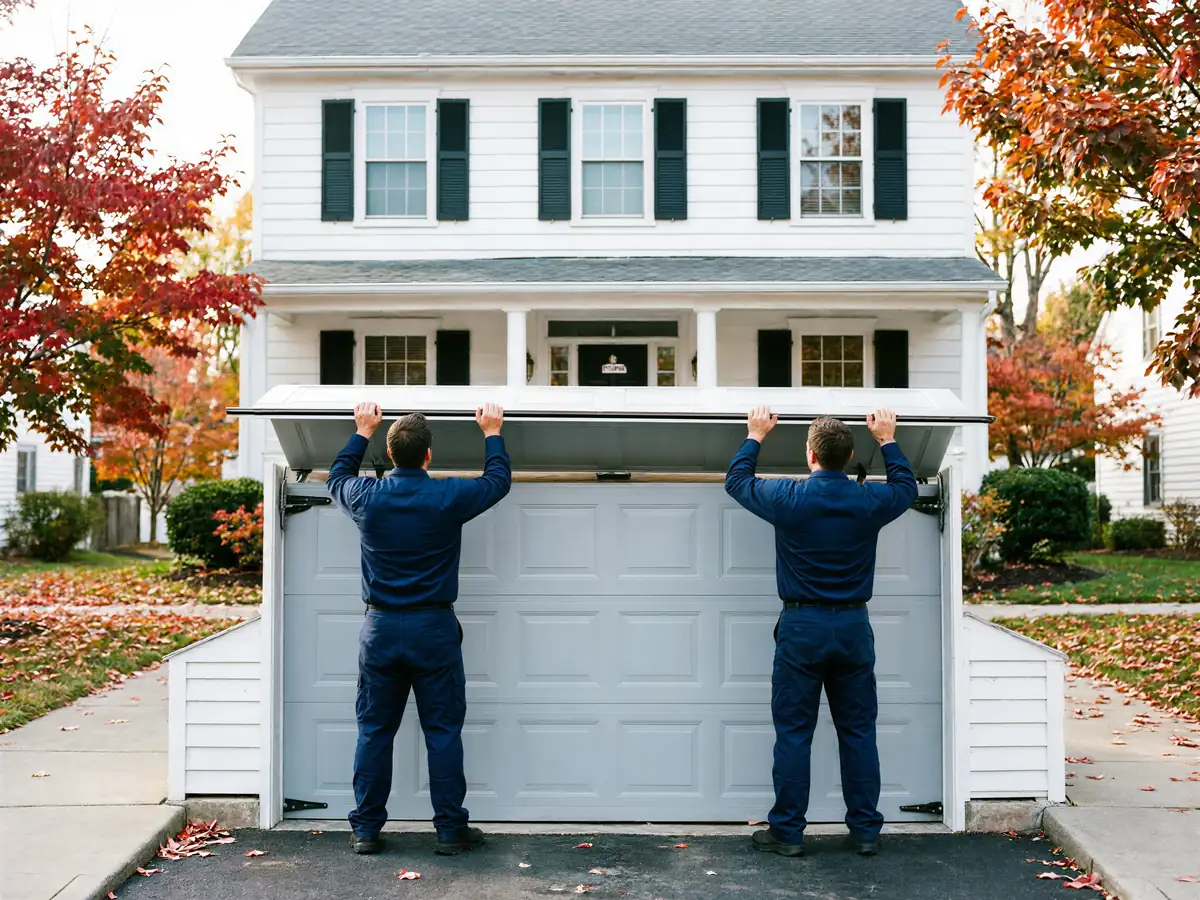
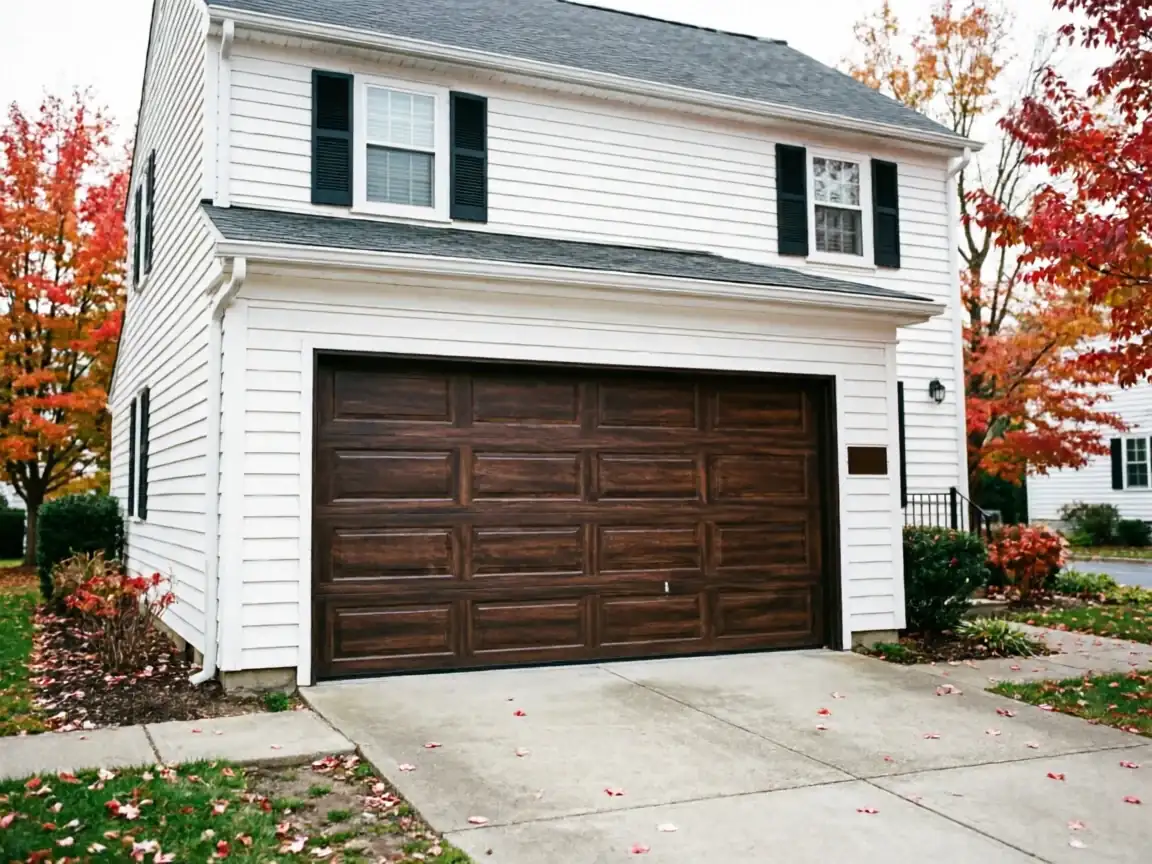
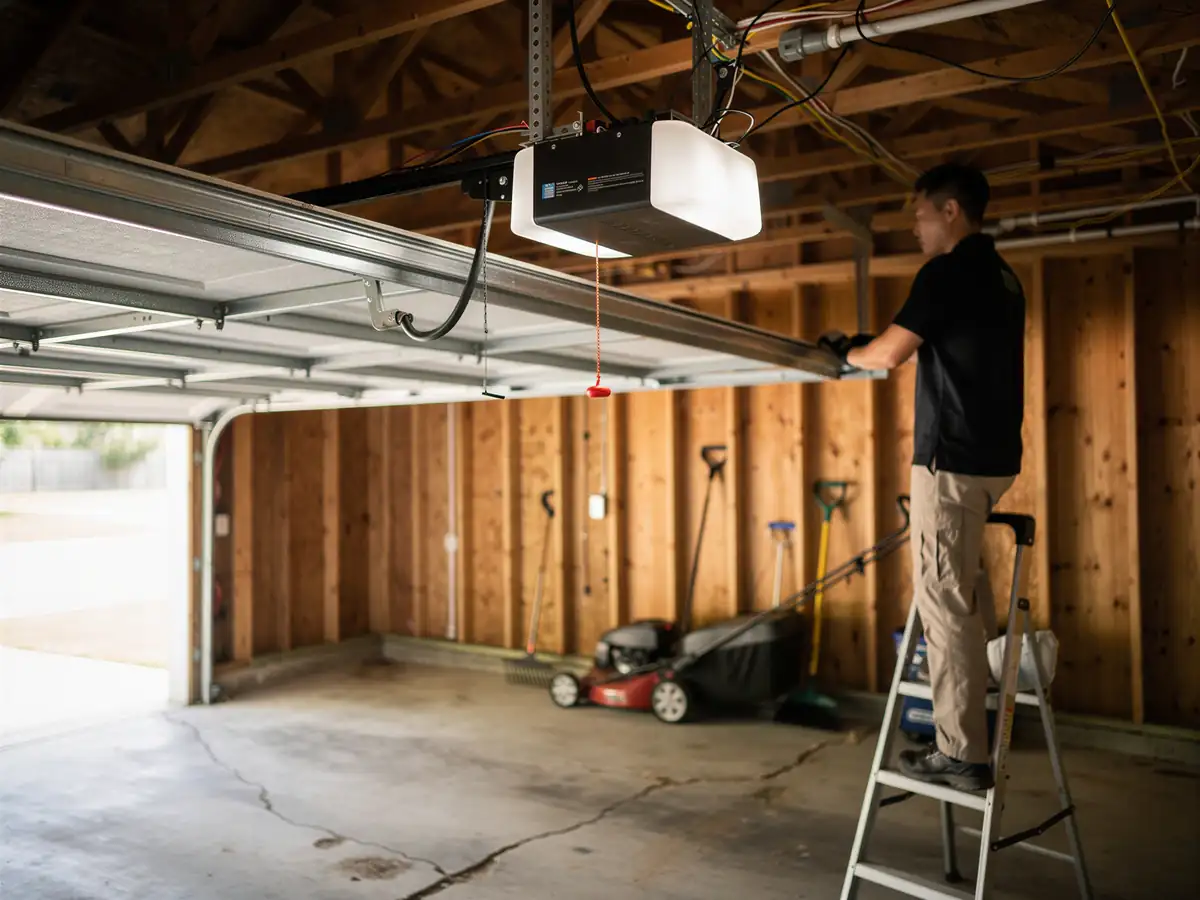
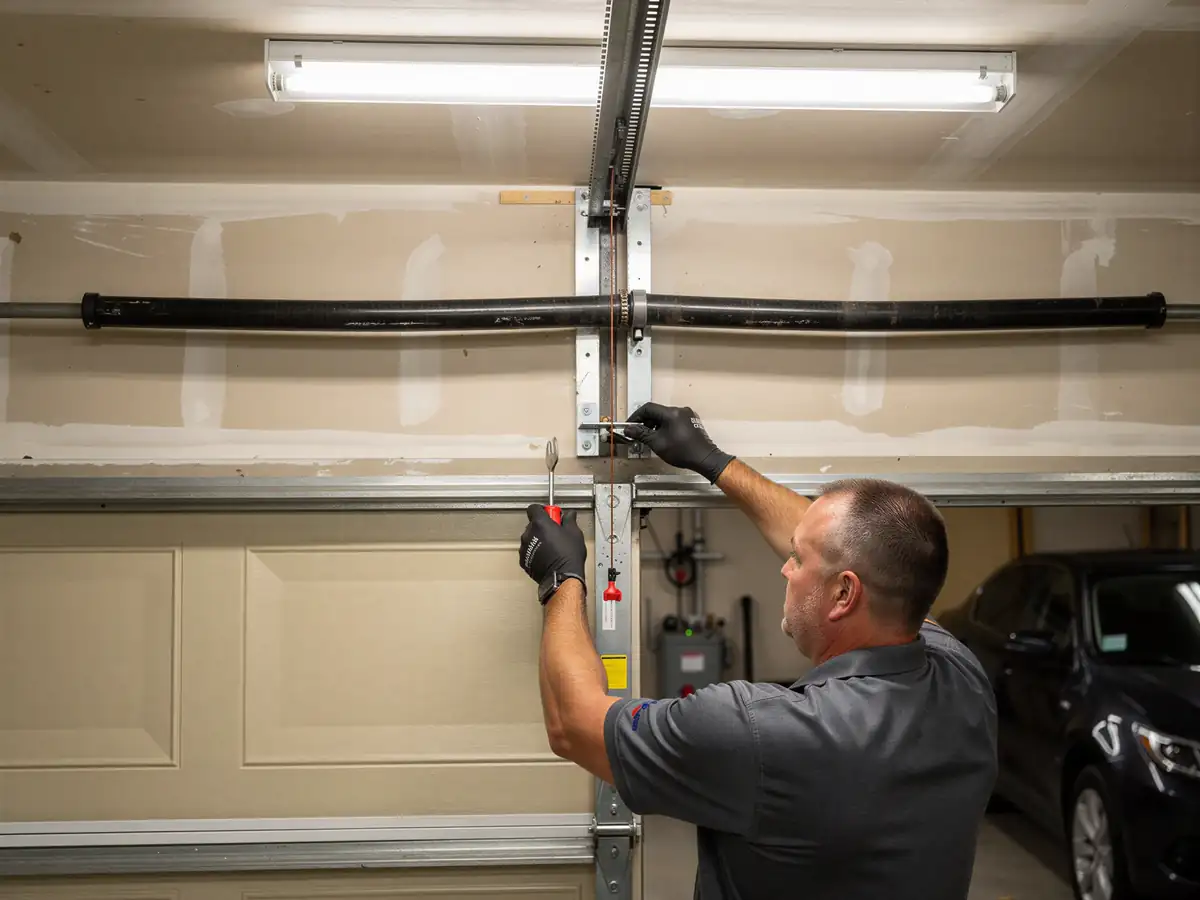
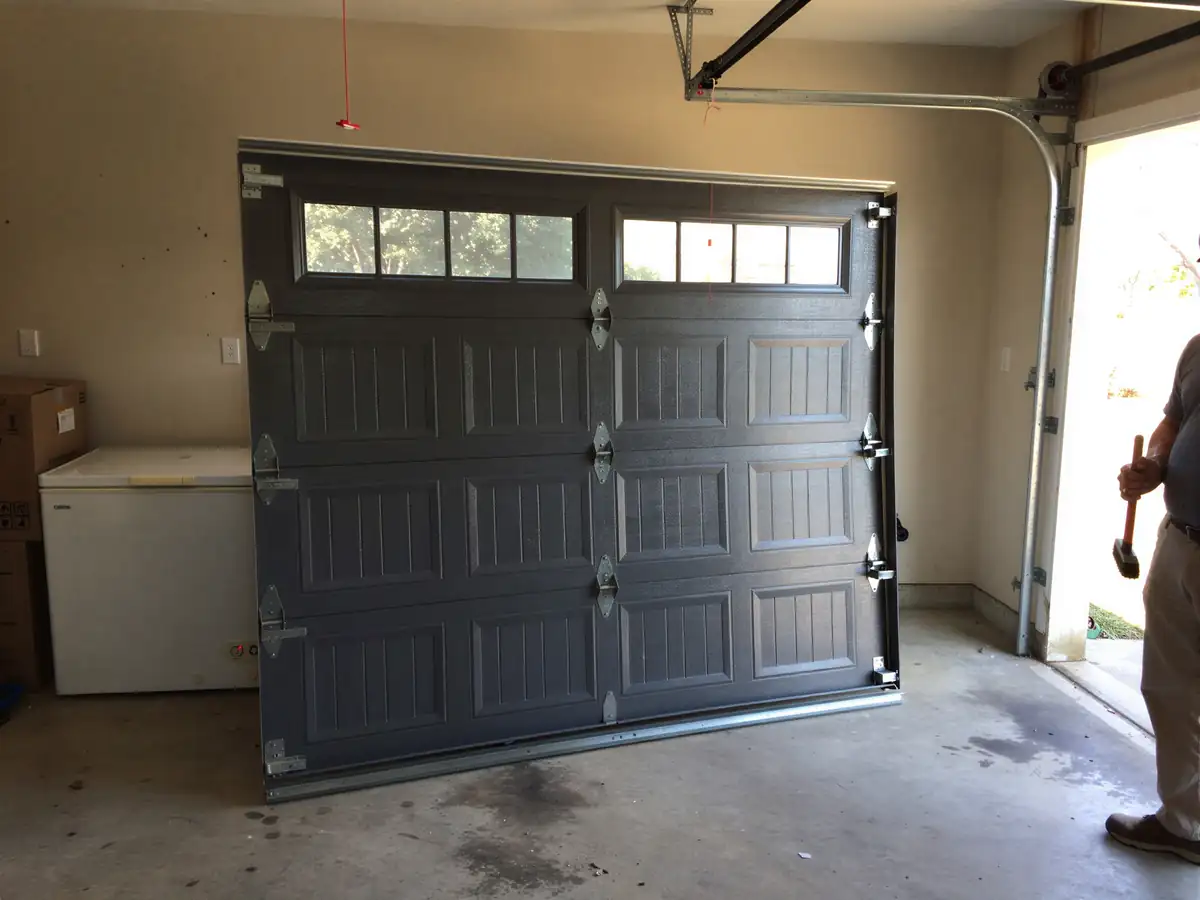
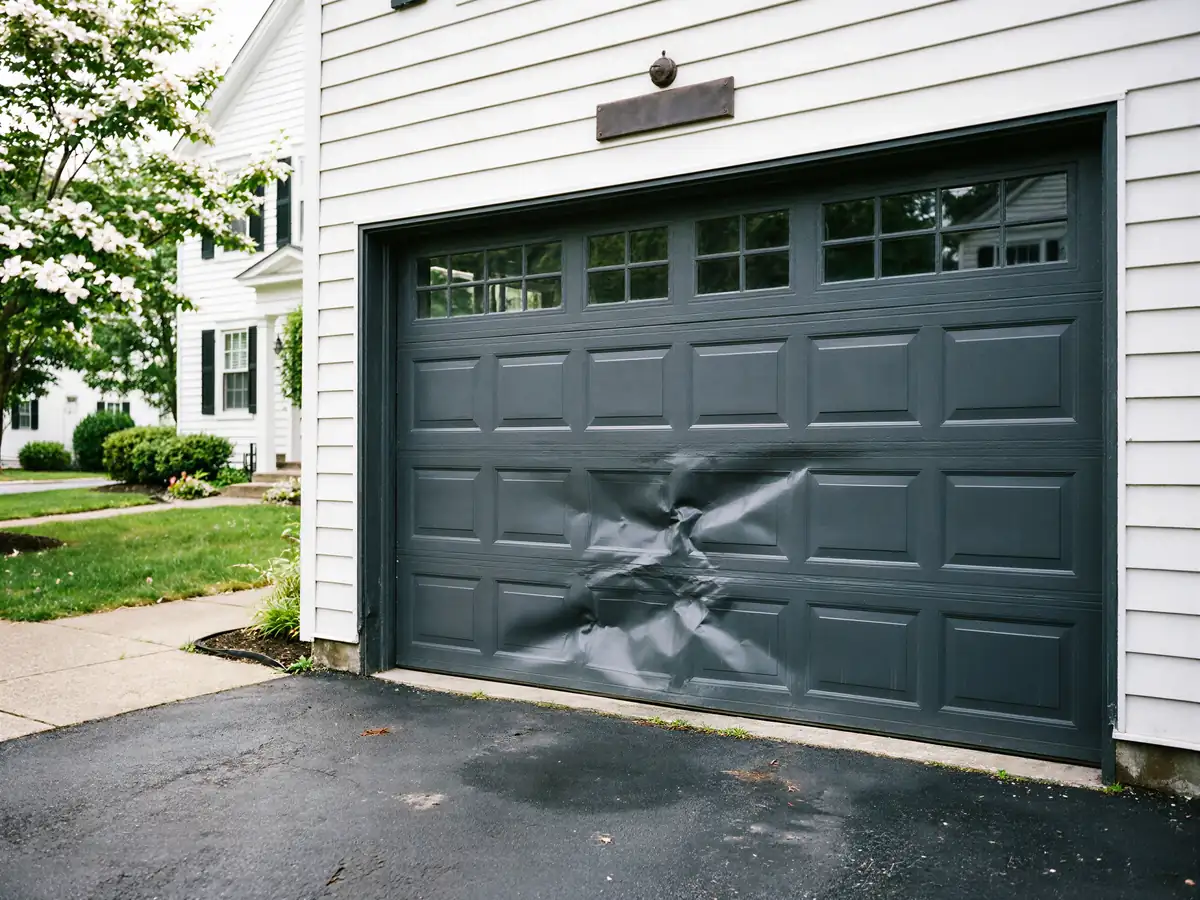
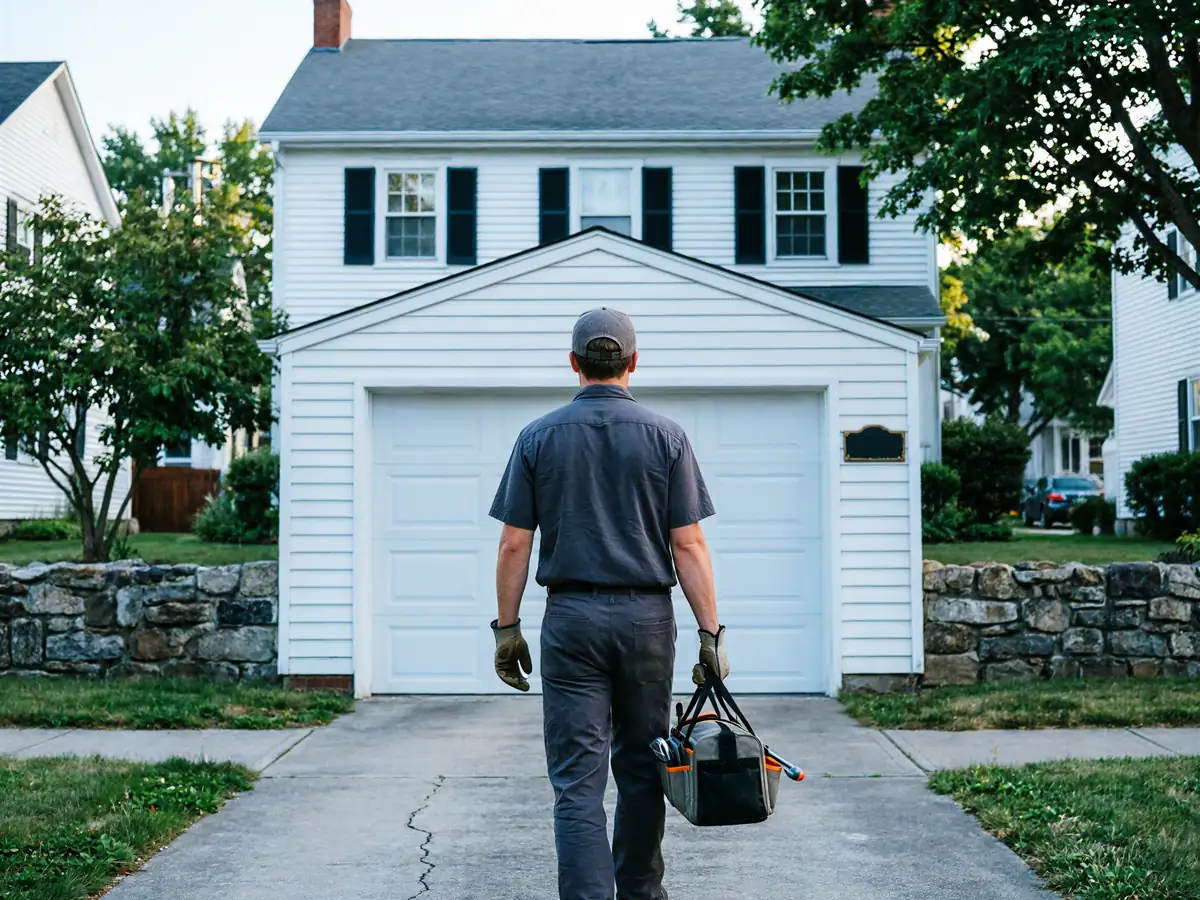
Most homeowners here assume any door that fits the opening will work, and that's where the trouble starts. Frederick's housing stock spans 1938 to 2015, with a median build year of 1991, and most of the 33 named areas we work in are still dominated by 1980s and 90s construction. That means openings here were framed to specs that have shifted since - jamb widths, header heights, and track clearance on an 80s-era garage rarely match what a big-box store door assumes out of the box. People buy the door first and figure out the fit later, which is backwards. The second mistake is skipping insulation value because the showroom door looks fine. In a house built in 1985 with the original uninsulated steel door, swapping in another uninsulated panel just repeats the problem for another twenty years. The third mistake is ignoring what's behind the door - if the torsion spring and drums are original to a house from that same era, a new door on old hardware is a mismatched system from day one, and it shows up as noise, drift, or a door that won't hold position. We tell people straight: measure the opening against the actual door you're ordering, not the stock size on the website, and plan for the hardware behind it, not just the slab.
The Situation
With 34,735 owner-occupied houses across the area and a median household income of $115,972, most replacement jobs we see aren't driven by budget pressure - they're driven by a door that's simply outlived its opener, its springs, or its seals. Given the 1938-2015 build range, a lot of these doors are original or close to it, meaning steel gauge, panel style, and track geometry that newer doors don't automatically replicate. If your house falls into that 1980s-90s band that covers most of Frederick's 33 named areas, the door you're replacing was likely sized to a standard that's changed since, particularly on insulation and wind load. The honest situation is this: a straight swap rarely exists. You're either matching an opening that needs minor reframing, or you're upgrading a door that was never built to the cold-weather standard your house now needs. We won't pretend every job is simple - some openings need carpentry work before a new door goes in, and that's not something we fold into a door price.
What It Costs
We're not going to give you a number here, because cost on a replacement door depends on panel material, insulation rating, size, and what the existing track and opener can carry forward - and none of that is fixed until we've looked at your actual opening. What we can tell you is what drives the number in Frederick specifically: houses built before the 1980s-90s wave that makes up most of the area often need track or header adjustments that newer construction doesn't, and that labor line is separate from the door itself. Insulated doors cost more upfront but matter more here than in a mild climate, given the severe cold this region sees. If your current door and opener are original to a house from the 1938-1991 median range, expect the quote to include more than just the door - springs and drums sized for an old door rarely suit a new one. Call for a walk-through if you want a real number; anything else is a guess.
What the Weather Here Does to It
Frederick sits in a severe cold climate band, and that matters more for a replacement door than most people expect. Cold cycling - hard freezes followed by thaw - is what kills weatherstripping and bottom seals fastest, and on a house built in the 1980s or 90s, that seal has usually already failed once or twice before you're even considering replacement. Steel panels contract in deep cold, which is why gaps and whistling show up in January on doors that were dead quiet in July. If you're replacing a door on a home from the 1938-2015 range we see across this area, cold-rated weatherstripping and a thermal break aren't optional extras - they're the difference between a door that seals in a hard freeze and one that doesn't. One limitation worth saying plainly: no door, however well insulated, fixes a garage that was never conditioned to begin with. If the space behind the door has no heat source, a better door slows heat loss - it doesn't solve it.
How it works
From “it’s stuck” to “it’s fixed”
01
Tell us what’s wrong
Describe the symptom - won’t open, loud bang, opener runs but the door won’t move.
02
On-site diagnosis
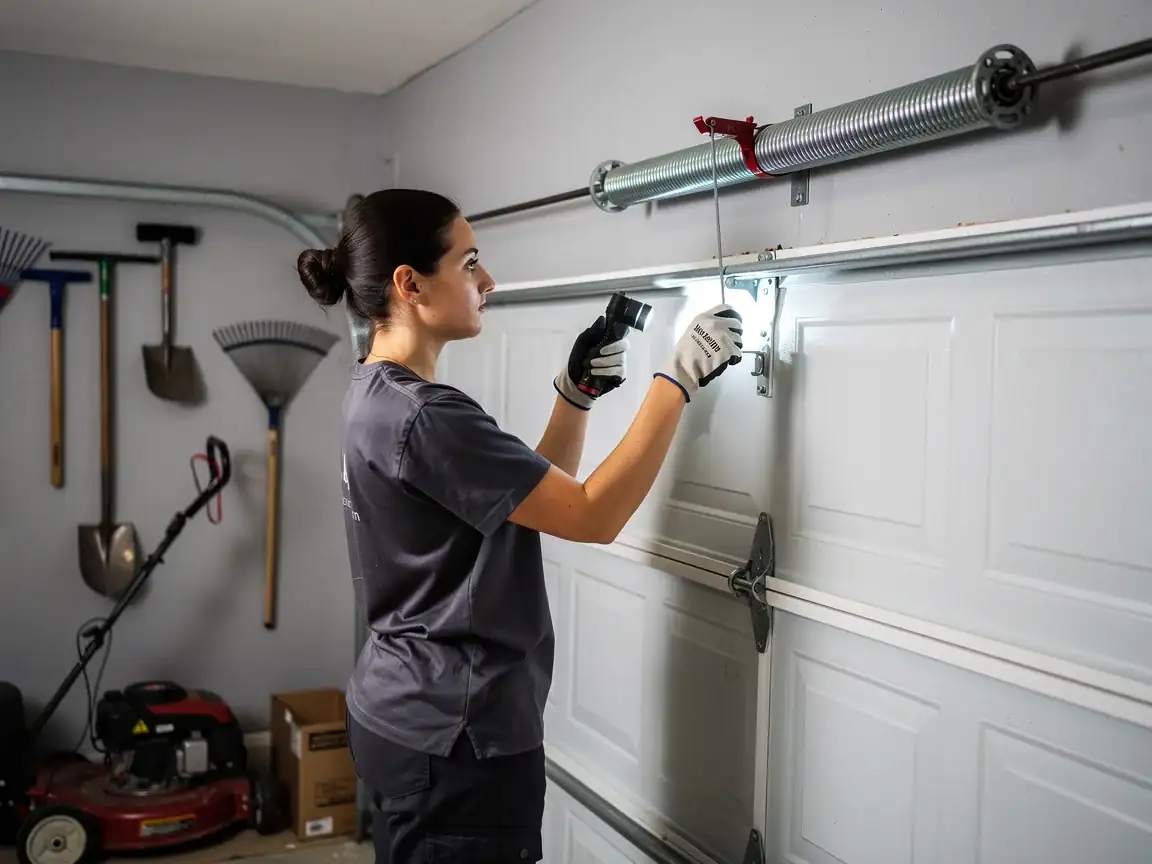
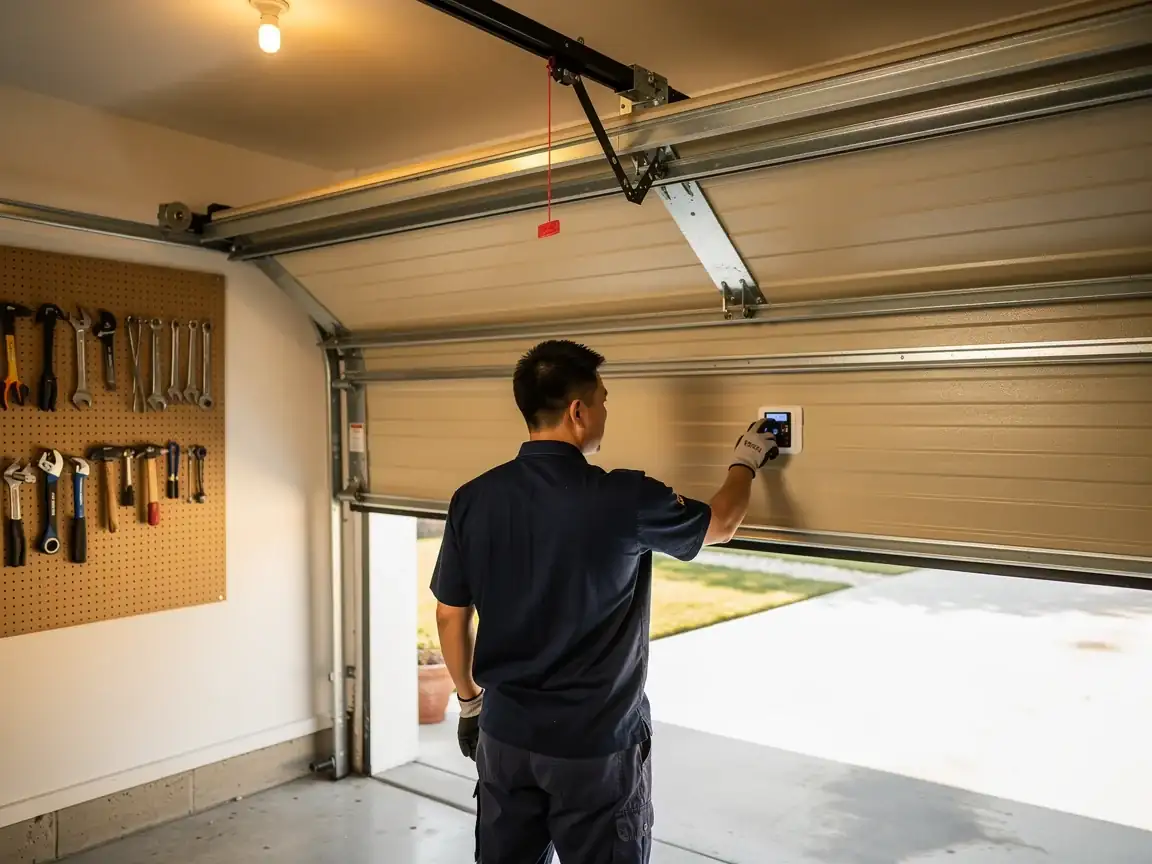
A technician tests the door under power and by hand and finds what actually failed.
03
Clear, up-front plan
You get the fix that’s needed and what drives the cost - before any work starts.
04
Repaired & tested
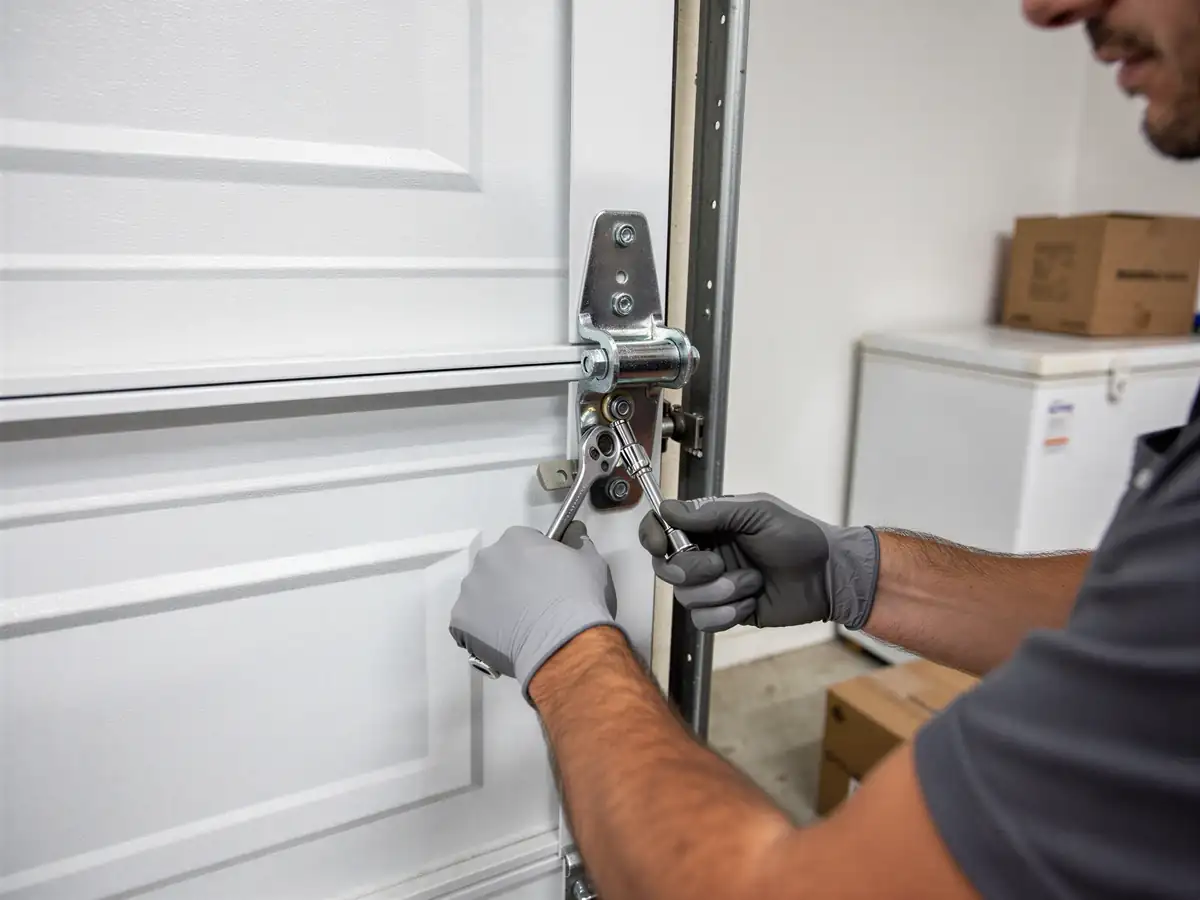
The repair is done, the door is set true and tested, and the work area left clean.
Not sure which repair your door needs in Frederick, MD? Describe what it’s doing - every job starts with a diagnosis.
Straight answers about garage door repair in Frederick. Still unsure? Ask us directly.
Will a new garage door fit my old opening without extra work?
Not always. Frederick's housing runs from 1938 to 2015, with most stock from the 1980s and 90s, and openings from that era don't always match current standard sizes. We measure before quoting a door so you're not surprised by a reframe.
Is an insulated door worth it here?
Given the severe cold this area sees, yes, more than in a milder climate. Insulated panels and a cold-rated seal hold up better through hard freeze-thaw cycles than the uninsulated steel doors common on older Frederick houses.
Can I keep my old springs with a new door?
Sometimes, but if your springs are original to a house from the 1980s-90s range, they were sized for the old door's weight, not the new one. We check spring sizing against the new door before installing, since a mismatch shows up fast as noise or drift.