Why Frederick Garage Doors Leak Cold Air Along the Seals
Frederick, MD homes built between 1938 and 2015 face cold winters that find every gap in old weather seals. See why draughts start and what helps stop them.
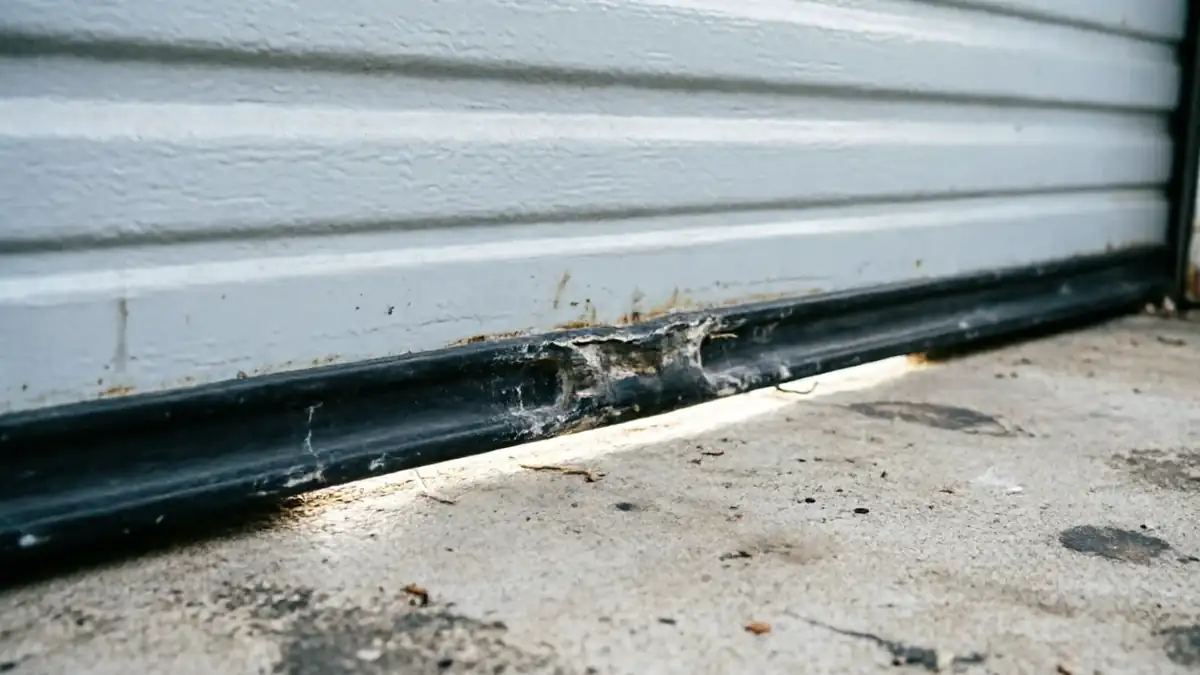
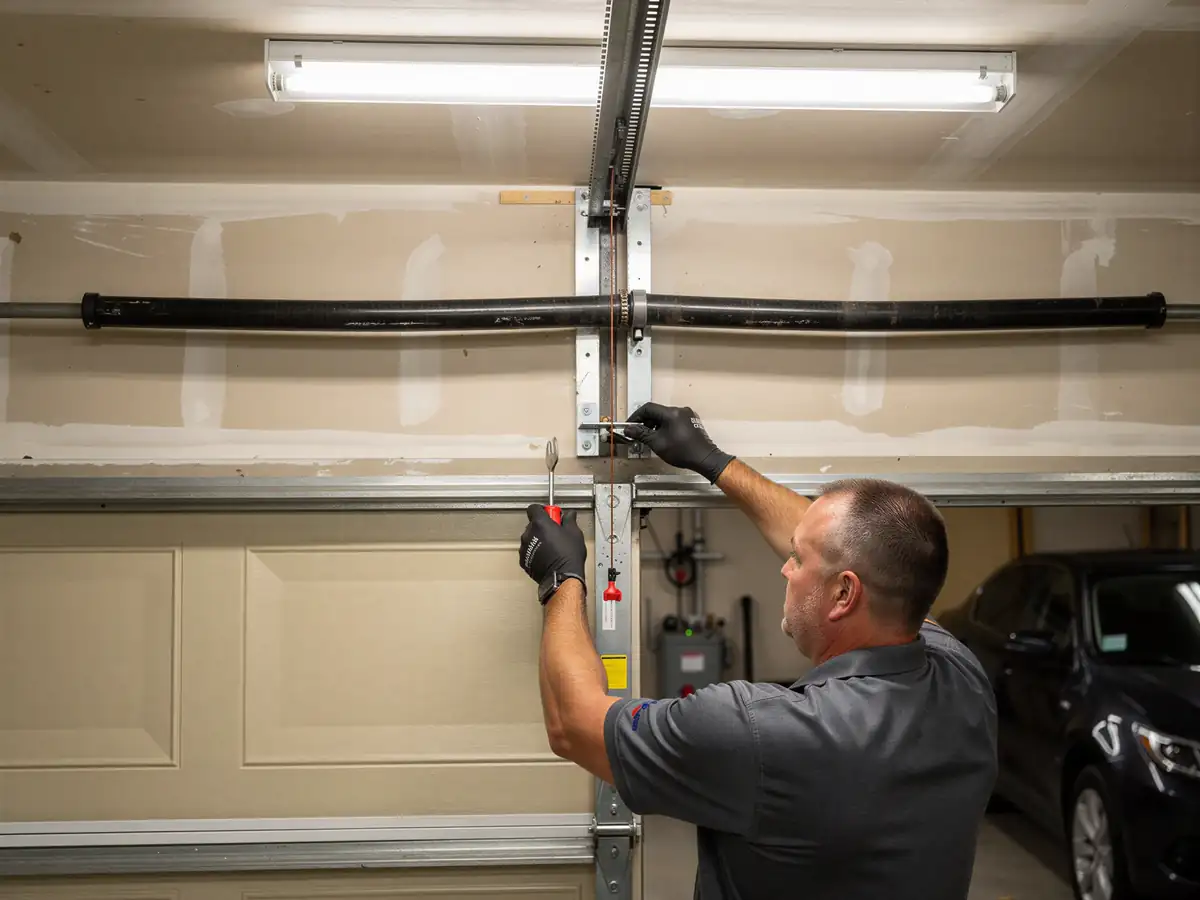
Most folks in Frederick figure a drafty garage means the opener is weak or the spring is tired. It's usually neither. The culprit sits at the bottom of the door and along the sides: the rubber or vinyl seal that's supposed to close the gap between the panel and the slab. Frederick's housing stock runs from 1938 up through 2015, with the bulk of it built in the 1980s and 90s across the 33 named areas in this service territory. That means a lot of doors installed on houses from that era are still wearing original or early-replacement weatherstripping that's thirty-plus years old and has gone stiff, cracked, or shrunk away from the frame. People replace the opener, tighten the track, even swap the panel, and the draft stays, because nobody looked at the seal itself. On a door that old, the bottom astragal has usually hardened to the point where it no longer compresses against the slab - it just sits there, letting a visible line of daylight and cold air through. That's the first thing worth checking, before anything else gets touched.
The Situation
With a median build year of 1991 and houses going back to 1938, a big share of the garages in and around Frederick were framed and finished before sealed, insulated door panels were standard. Older openings were often cut a little generous, since fit tolerances weren't as tight as what manufacturers hold to now. A generous opening plus a seal that's past its service life equals a visible gap, and on a cold morning you can feel it standing next to the door. This isn't a Frederick-specific defect, it's a Frederick-specific age profile: a housing stock centered in the 80s and 90s means a lot of weatherstripping is reaching the end of its useful life at roughly the same time, across a lot of the same 33 areas. If your house falls in that build window and you haven't touched the seals since move-in, the draft you're feeling isn't new - it's just finally bad enough to notice.
What It Costs
I don't have a price list to hand you here, and I'd rather say that plainly than guess at a number that doesn't hold up. What I can tell you is what drives the cost up or down on this kind of job: whether it's just the bottom seal or the full perimeter, whether the track needs minor adjustment to seat the seal properly, and whether the door is a standard size or an oversized opening from an older build. A straightforward bottom-seal swap on a standard door is a small job. A full weatherstrip replacement on an oversized, older opening with a bent track takes longer and costs more, because the seal has to be custom-trimmed to fit. If your door is original to a house built well before 1980, factor in that some of these older panels use track profiles that newer seal kits don't slide into cleanly - that's the honest limitation, and it sometimes means a different fix than a simple strip swap.
What the Weather Here Does to It
Frederick sits in a cold-severe climate band, which means the rubber and vinyl in these seals go through a real freeze-thaw cycle every winter, not just the occasional cold snap. Cold makes rubber contract and stiffen; repeated cycling over a few winters is what turns a pliable seal into a hard, cracked one that stops compressing against the slab. That stiffening is why draft problems in this area tend to show up hardest from late fall through winter and then seem to
How it works
From “it’s stuck” to “it’s fixed”
01
Tell us what’s wrong
Describe the symptom - won’t open, loud bang, opener runs but the door won’t move.
02
On-site diagnosis
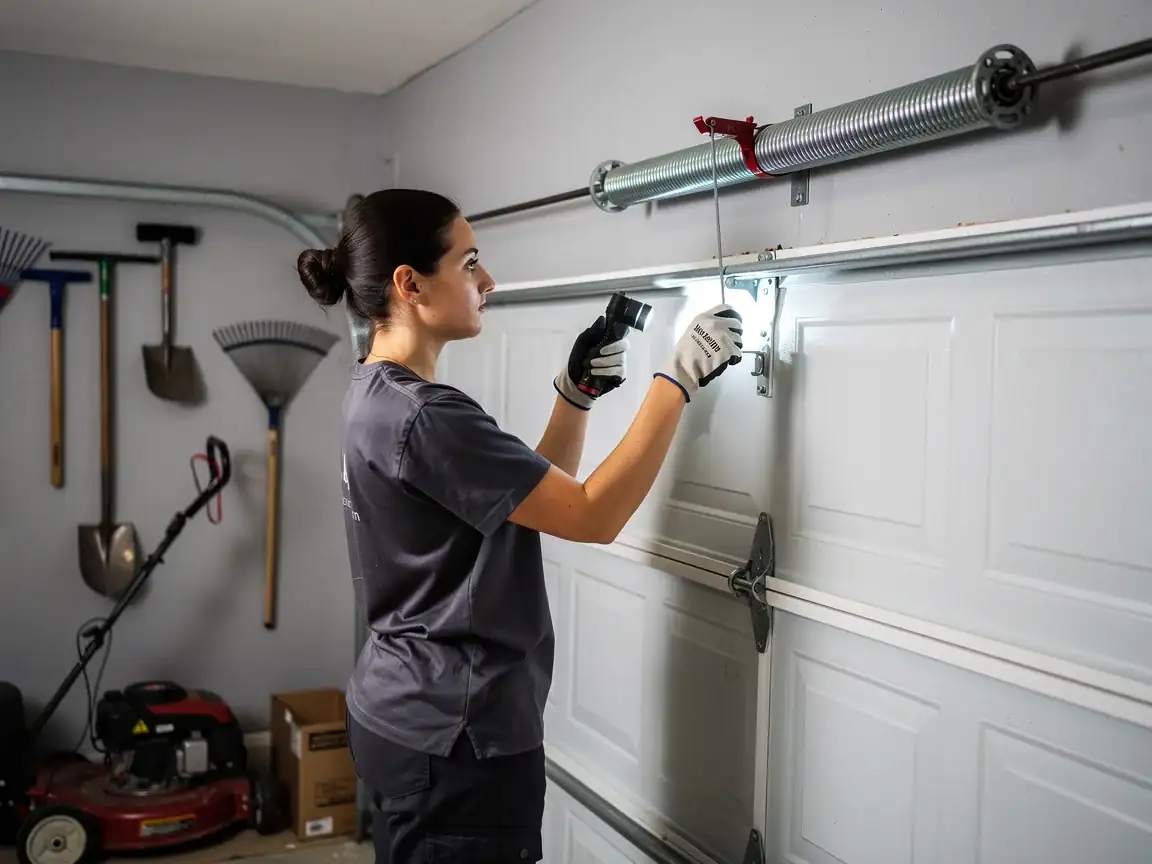
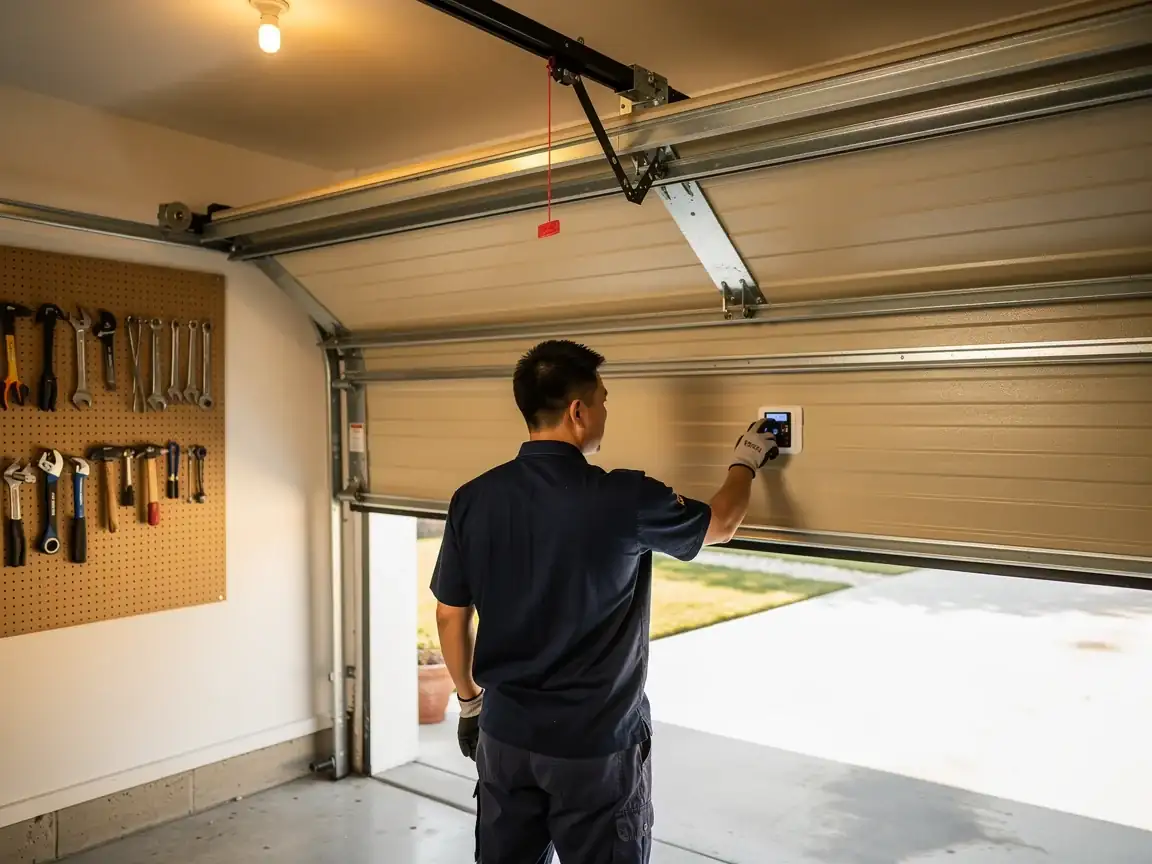
A technician tests the door under power and by hand and finds what actually failed.
03
Clear, up-front plan
You get the fix that’s needed and what drives the cost - before any work starts.
04
Repaired & tested
The repair is done, the door is set true and tested, and the work area left clean.
Not sure which repair your door needs in Frederick, MD? Describe what it’s doing - every job starts with a diagnosis.
Straight answers about garage door repair in Frederick. Still unsure? Ask us directly.
How do I know if it's the seal and not the door itself that's letting in cold air?
Close the door and look along the bottom and sides from inside the garage during daylight. If you see a line of light, or feel air moving with your hand an inch from the edge, the seal isn't compressing anymore. A door that's otherwise balanced and tracking straight with a bad seal will still let a full line of draft through - that's a seal problem, not a hardware one.
Is it worth replacing weatherstripping on an older door myself?
On a standard-size door with a straight track it's a reasonable DIY job if you can trim the strip to fit. On an older, oversized opening - common on houses built before the 1980s in this area - the track profile sometimes doesn't match a standard retail seal kit, and a bad trim job leaves a worse gap than you started with.
Why does the draft seem worse some winters than others?
Rubber seals stiffen a little more with each freeze-thaw cycle, so a seal that was fine two winters ago can feel noticeably worse this year even though nothing else changed. In a cold-severe climate band like this one, that cycling happens every season, which is why seals here wear out faster than in a milder climate.