When the Power Goes Out, Your Opener in Frederick Feels It First
In Frederick, where most houses date to the 1980s and 90s, cold-weather power cuts hit openers without battery backup the hardest. Here's what that means for your door.
Most people assume that when the garage door opener stops responding during a power cut
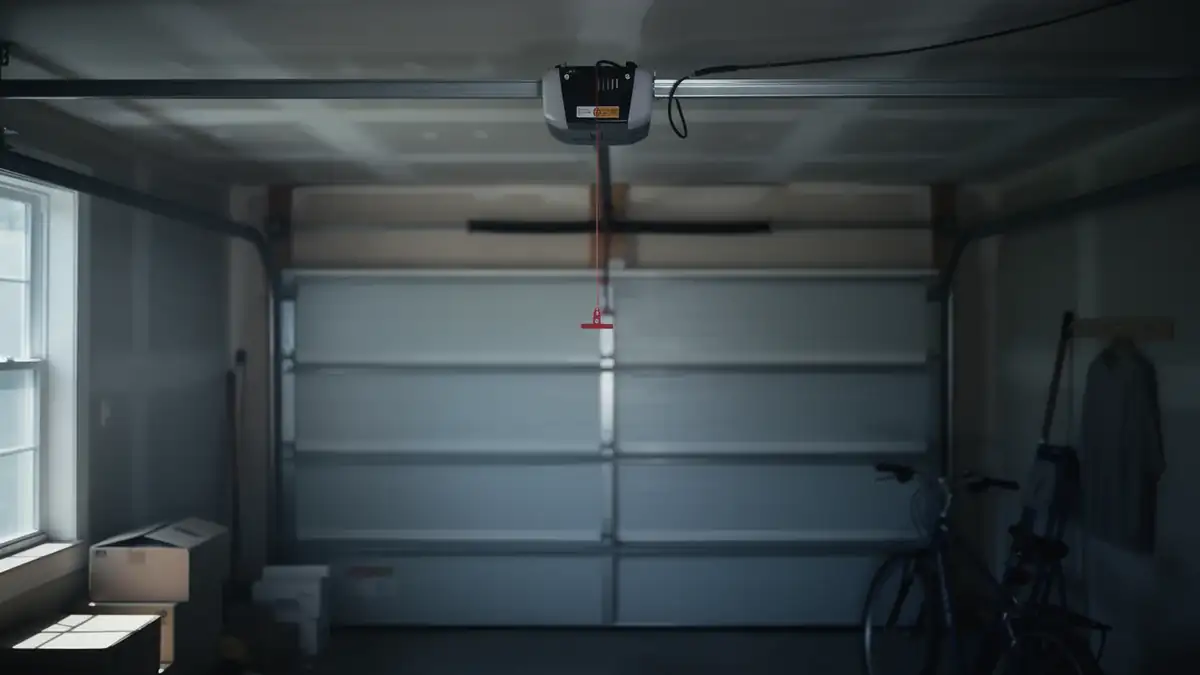
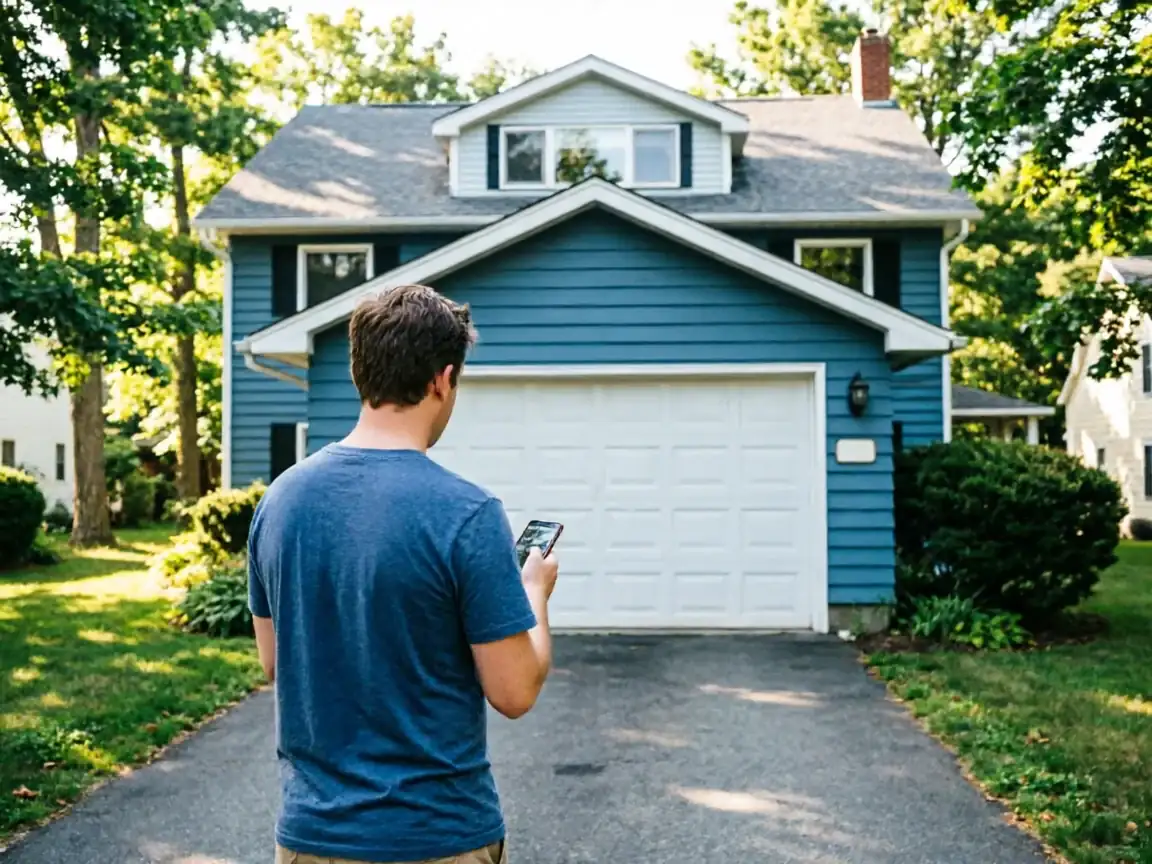
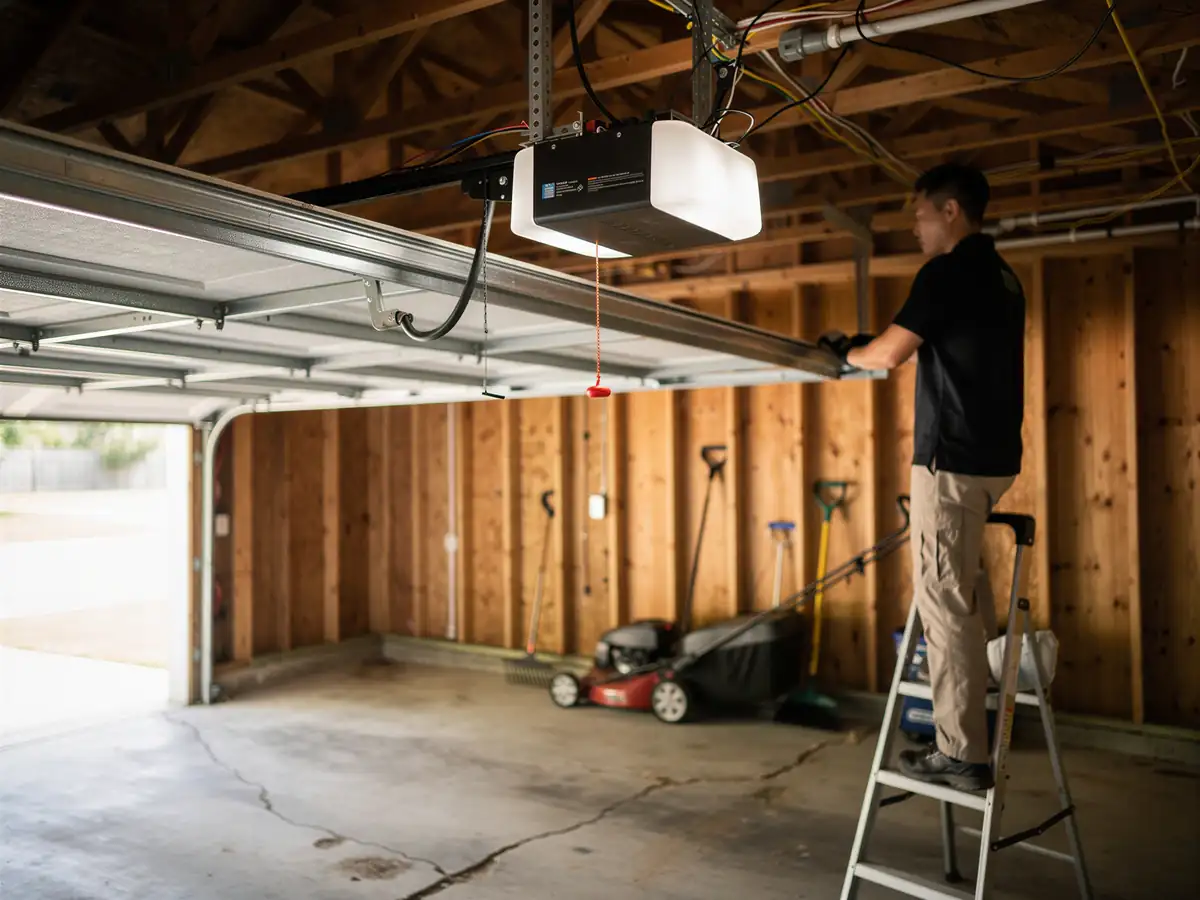
It's broken. It usually isn't. A lot of houses in this service area were built in the 1980s and 90s, back when battery backup wasn't a standard opener feature the way it is now. The opener loses grid power, the trolley stays locked to the chain or belt, and the door won't budge from the wall button or the remote. That's not failure, that's just an opener with no second power source.
02
The mistake comes next
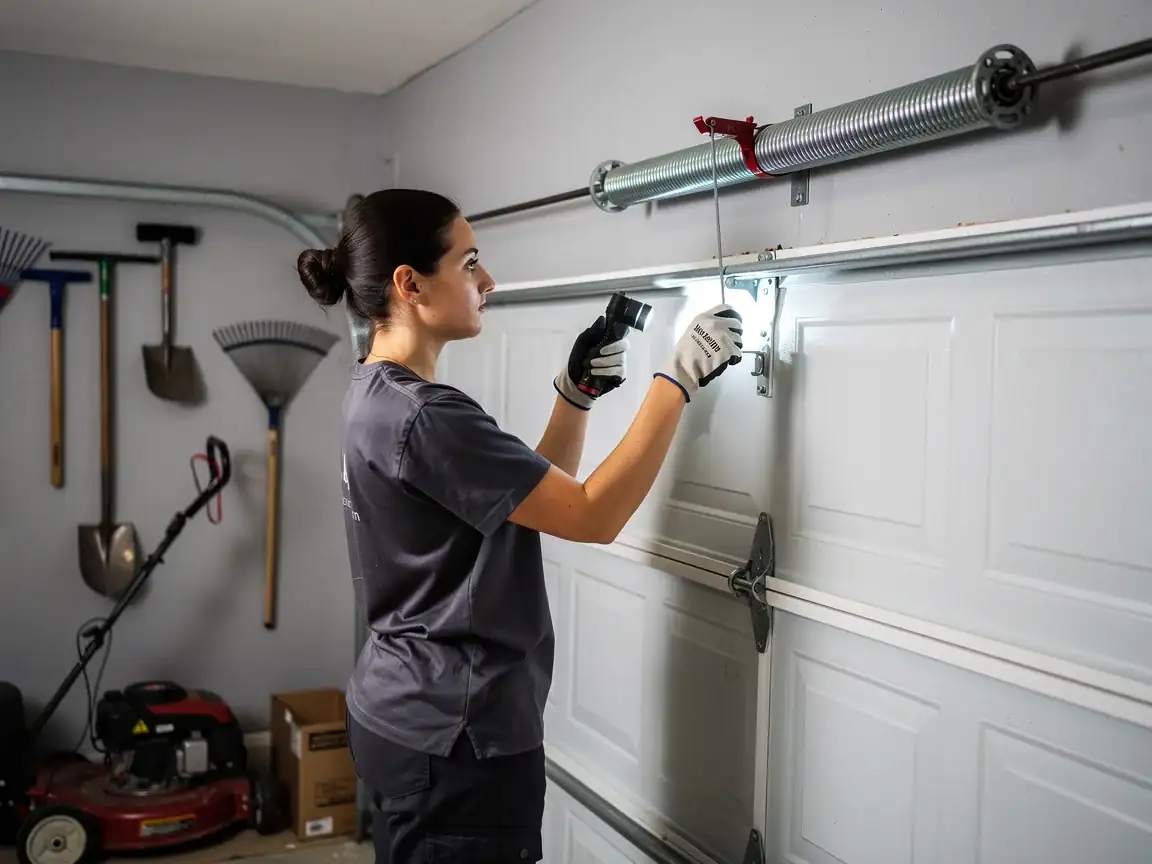
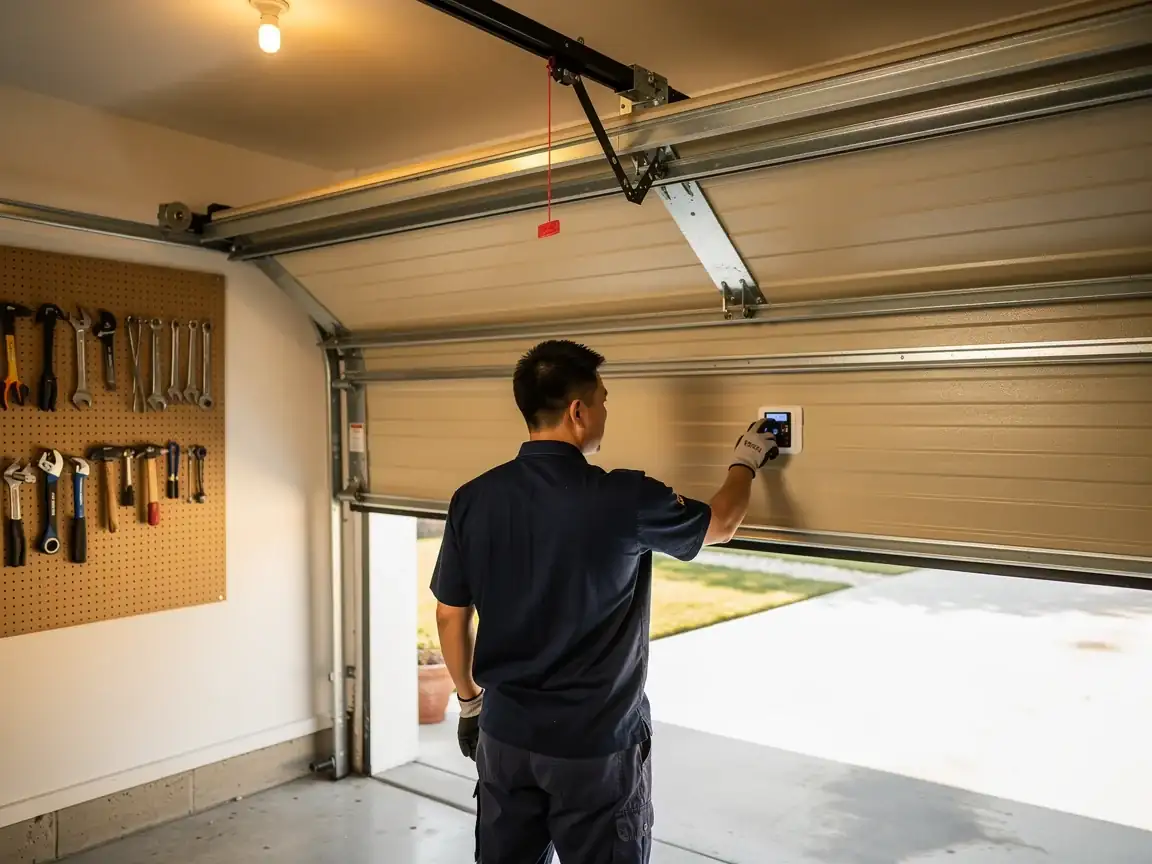
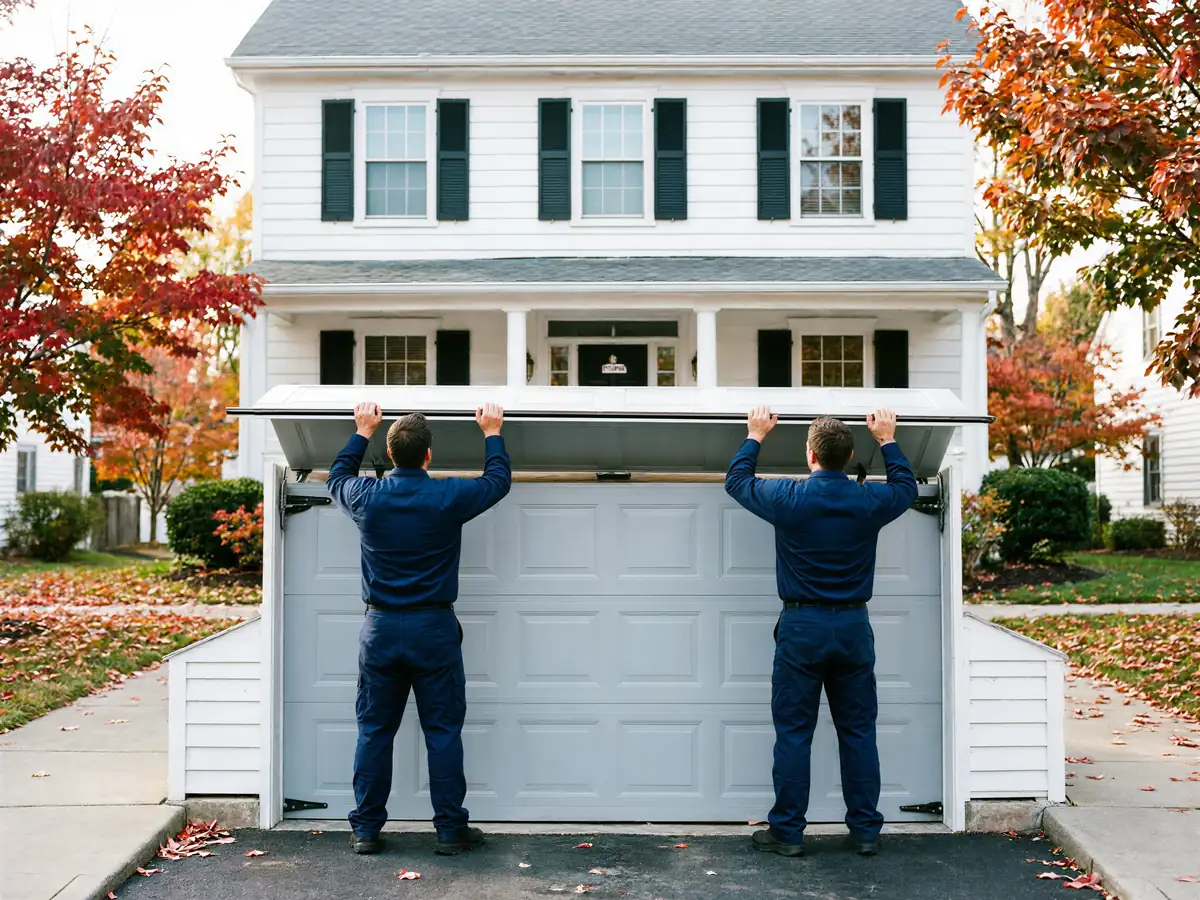
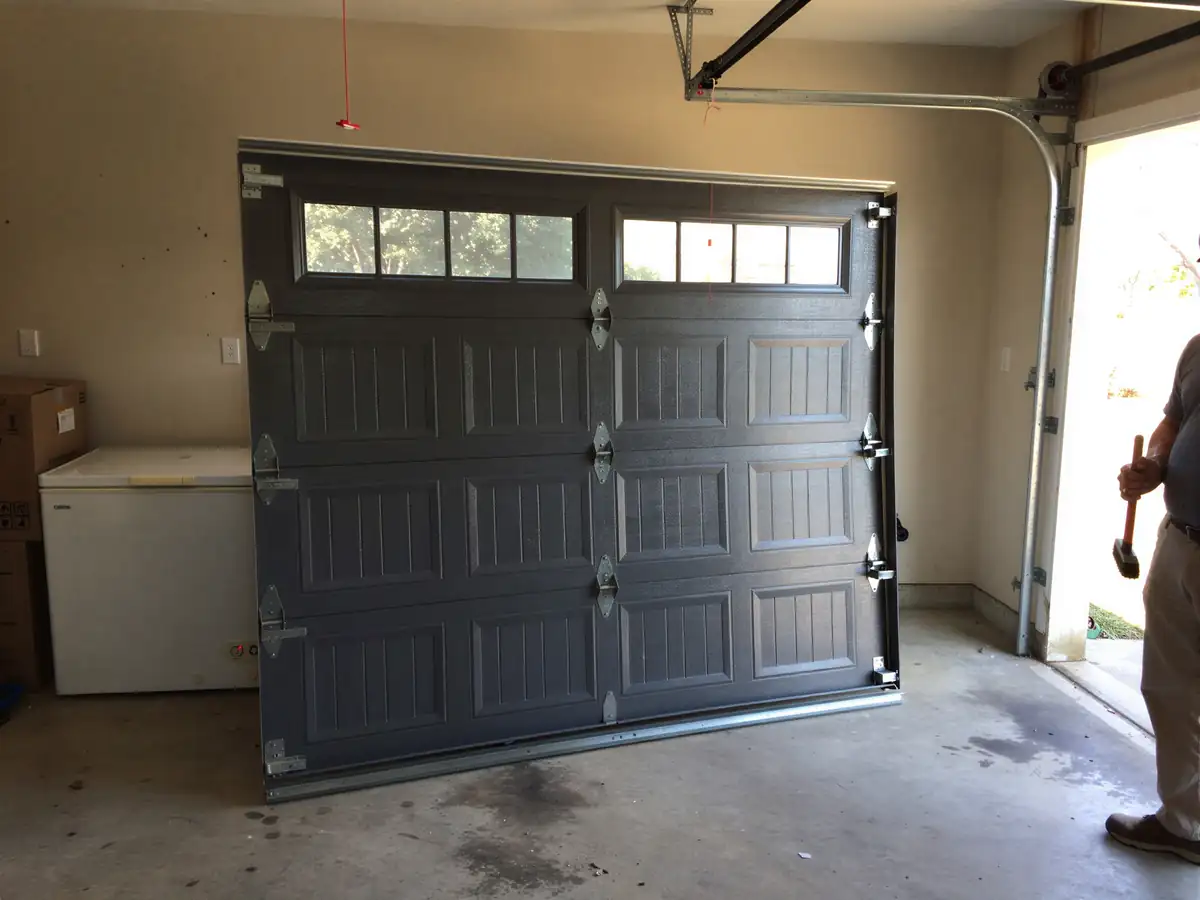
Owners try to force the door up by hand without pulling the red emergency release cord first, which can bend track or pop a roller out of its channel. Or they assume the whole unit needs replacing when the fix is simpler: either a battery backup retrofit kit on the existing opener, or learning where the manual release is before the next outage, not during it. The release cord works on nearly every chain and belt drive opener regardless of age, and knowing where it hangs matters more than most people think until the lights go out and the car's stuck inside.
The Situation
Housing in this service area spans 1938 to 2015, with the typical home dating to 1991, and the bulk of the stock across the named communities here was built in the 1980s and 90s. That matters for openers specifically: a house from that era is likely on its second or third opener, not its first, and the circuit it's plugged into was wired to the code standards of that decade, not today's.
Practically, that means two things show up on service calls here more than elsewhere. First, openers that are original to a 1980s or 90s build are now well past the point where belts, gears, and logic boards are reliable, power cut or not. Second, because a lot of these garages were wired before battery backup units were common accessories, retrofitting one means checking whether the existing outlet and opener model can even support it, rather than just screwing in a battery pack and calling it done. With 34,735 owner-occupied houses in this area, that's a lot of garages running hardware that predates the feature people now expect as standard.
What It Costs
We're not going to put a number here that doesn't hold up once we're actually standing in your garage. Cost depends on whether the opener itself needs replacing, whether a battery backup kit is compatible with what's already installed, and whether the outlet and wiring need any work to support it. That's a real limitation: nobody can quote this over the phone with accuracy, and anyone who does is guessing.
What we can say: the median household income across this service area is $115,972, which tells you households here are generally positioned to choose a proper fix over a patch job, but that doesn't make a full opener replacement a casual decision. A battery backup retrofit is almost always the cheaper path if the existing opener is still in good shape. Replacing the whole unit only makes sense when the opener is already near the end of its working life, which, given how much of the housing stock here dates to the 1980s and 90s, is more common than owners expect.
What the Weather Here Does to It
01
This area sits in a severe cold climate band
And cold is hard on exactly the parts people don't think about until they fail. Battery backups lose a meaningful chunk of their capacity in freezing temperatures, which means the backup that worked fine in October can stall out mid-lift in January, right when the grid is also more likely to drop power. Garages aren't heated spaces, so whatever opener hardware is out there is living at outdoor temperature most of the winter.
02
Cold also stiffens track lubricant and tightens spring tension
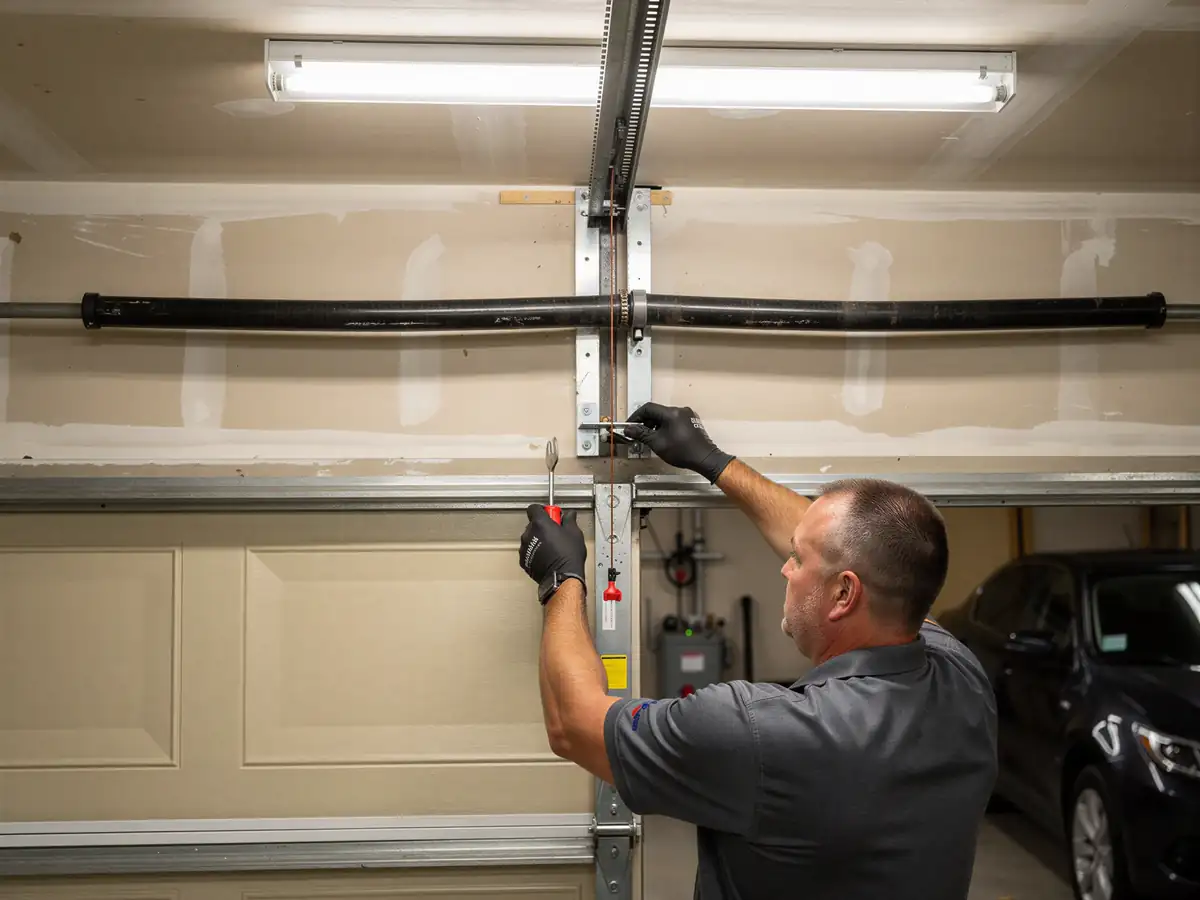
Which puts more load on the opener's motor at the exact moment its backup power is weakest. On an older unit, that combination, cold battery, cold track, aging motor, is what turns a power cut into a dead stop halfway up the door rather than a minor inconvenience. None of this is unique to one bad night. It's the predictable result of an opener built for a different decade meeting a winter it wasn't spec'd for.
Straight answers about garage door repair in Frederick. Still unsure? Ask us directly.
Why won't my garage door opener work when the power goes out?
If your opener doesn't have a battery backup, losing grid power means losing the motor entirely, even though the door itself isn't broken. Pull the manual release cord to disconnect the trolley and lift the door by hand. Many openers installed before battery backup became standard can take a retrofit kit instead of a full replacement.
Can I add battery backup to my existing opener?
Often yes, but it depends on the opener's age and model, and whether the circuit it's on can support it. A lot of homes here have openers original to 1980s or 90s construction, which predates battery backup as a built-in feature, so compatibility needs to be checked in person rather than assumed.
Does cold weather actually affect garage door openers?
Yes. This area sits in a severe cold climate band, and cold reduces battery backup capacity while also stiffening track lubricant and increasing spring tension. That combination puts more strain on the motor at the exact time backup power is weakest, which is why openers tend to act up more in winter.