Frederick homeowners deal with 1980s-90s doors and severe cold winters. Here's what actually breaks, what it costs to fix, and why the weather matters here.
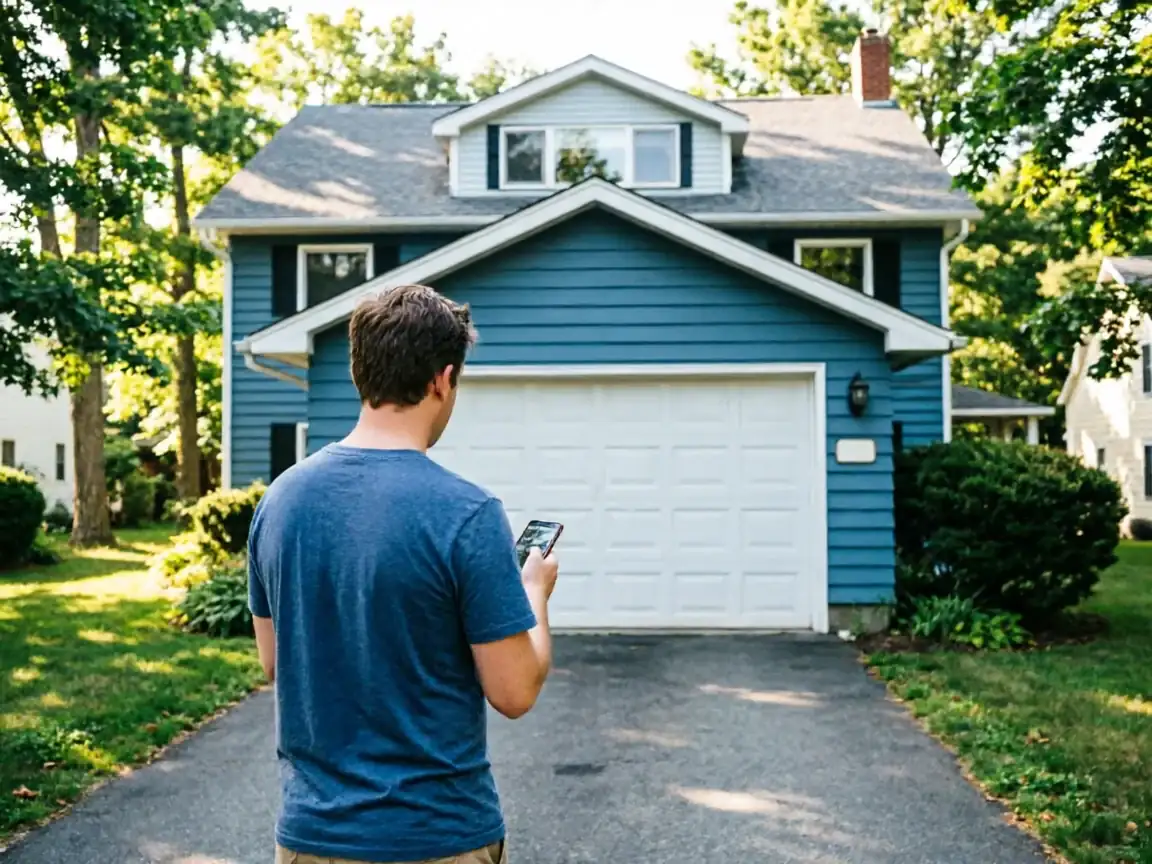
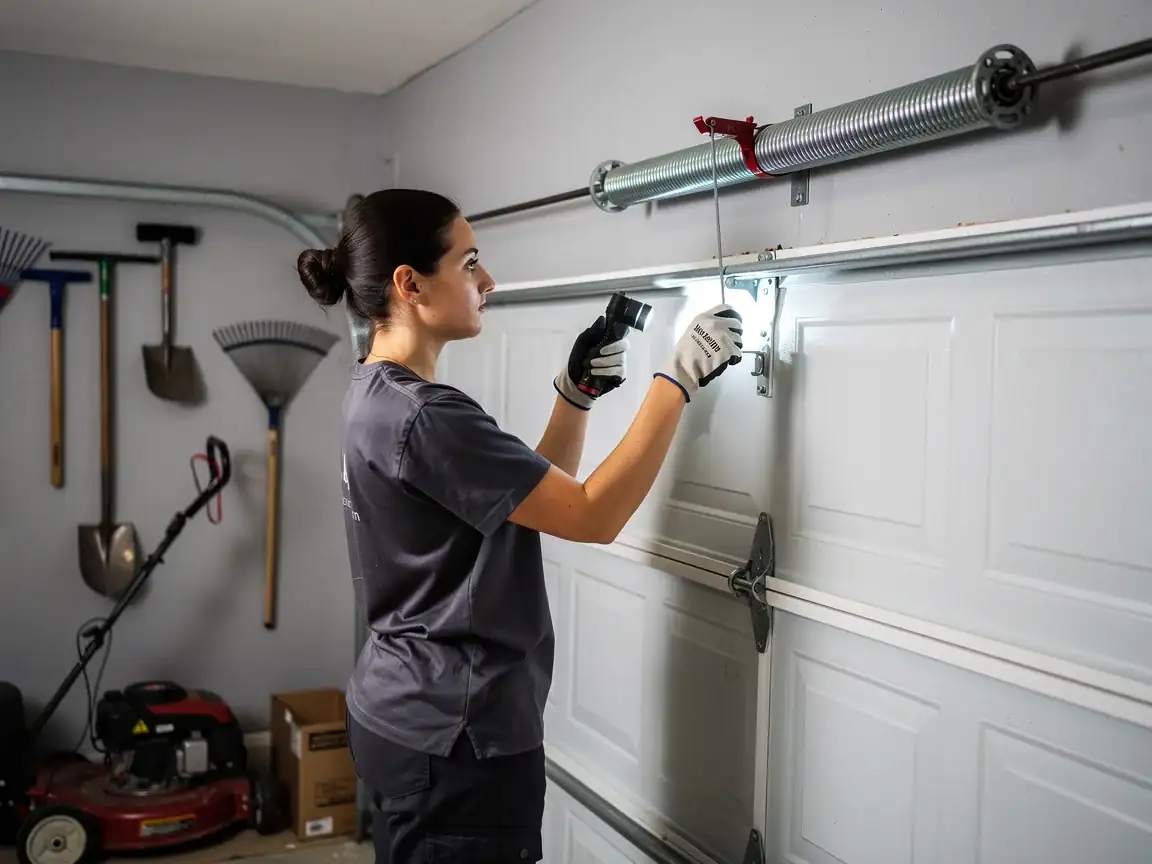
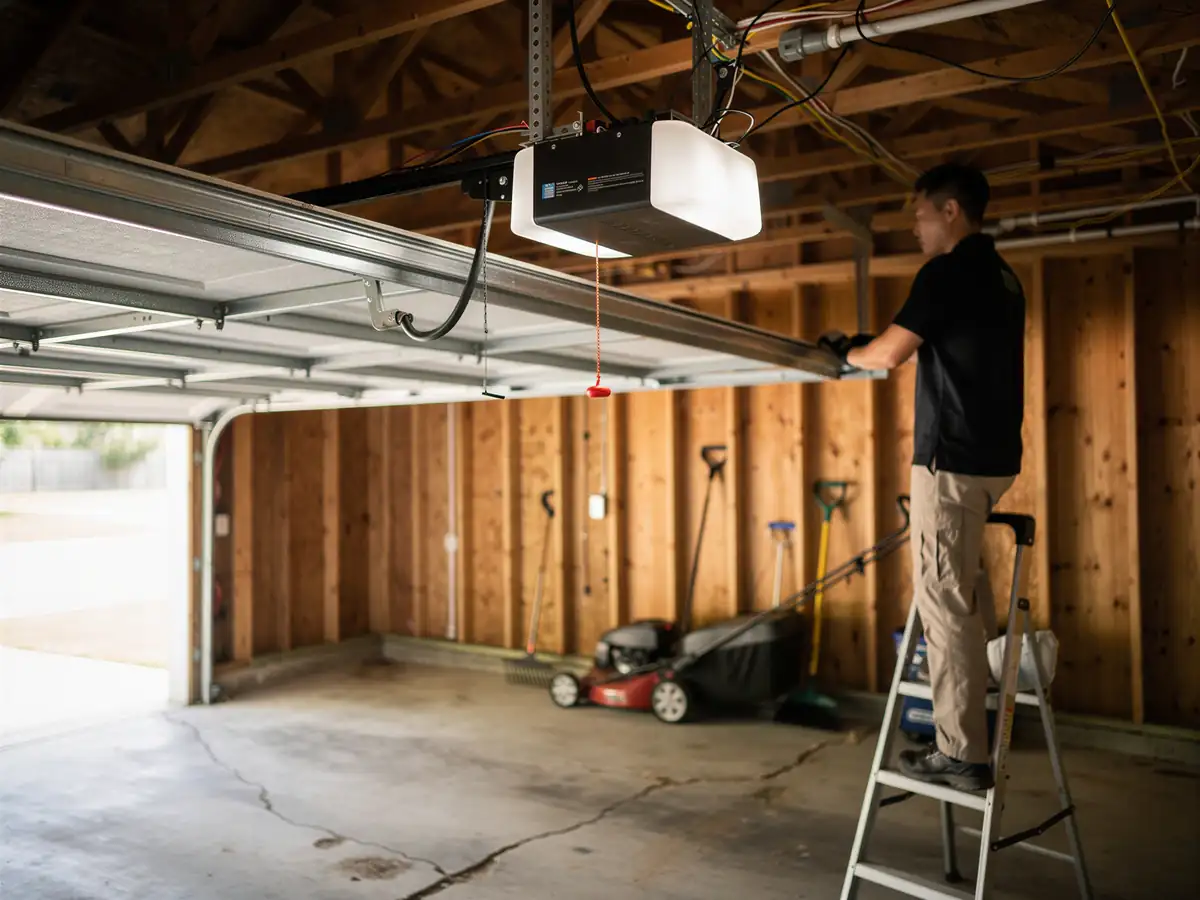
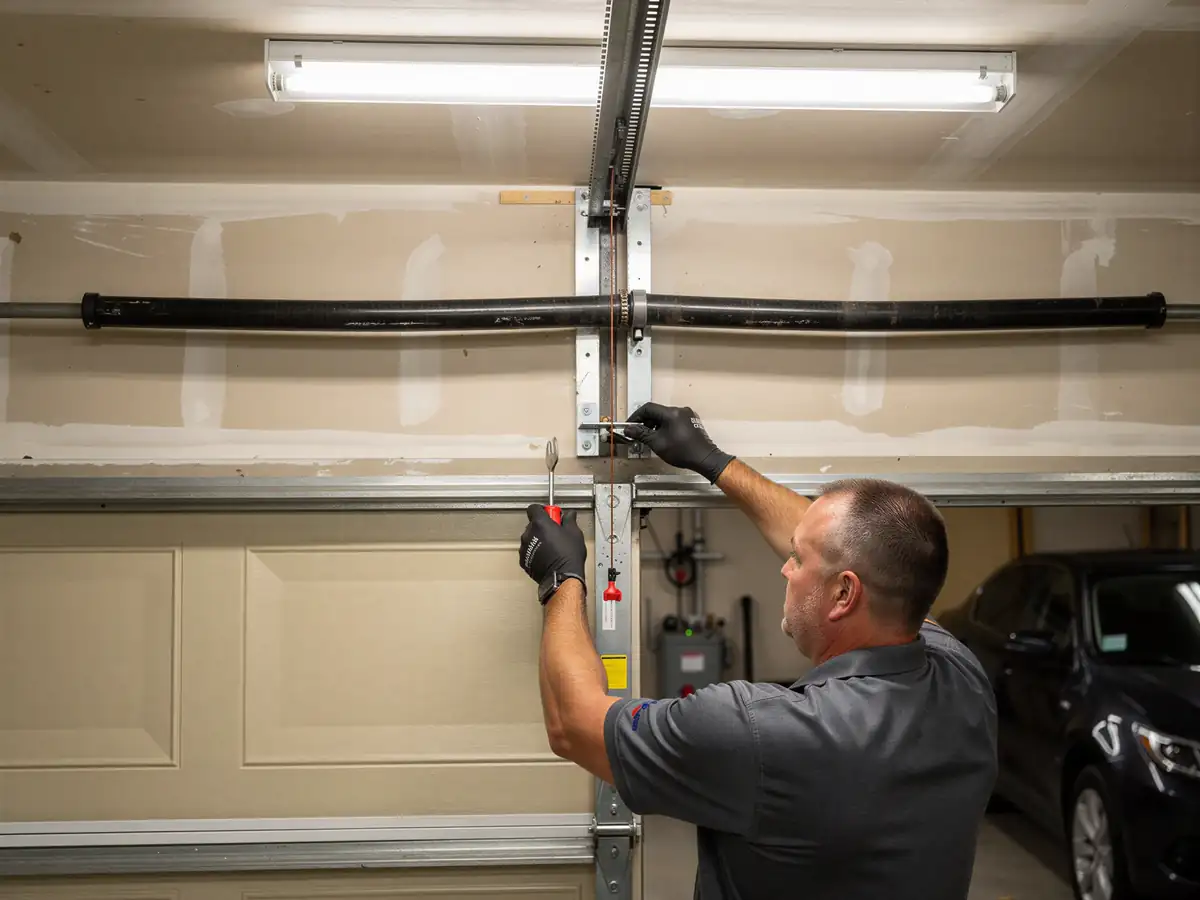
Most calls we get start with someone assuming their opener is broken when the problem is the spring, or assuming the spring is shot when it's actually a cheap roller binding in a track that's just out of square. Frederick's housing stock runs from 1938 up through 2015, with the median build year sitting around 1991, so a lot of what we see is original or near-original hardware on doors that have been quietly wearing out for three decades. People also assume a noisy door means a new opener. Nine times out of ten it's a roller or a hinge, not the motor. The other mistake: waiting until a spring snaps completely before calling anyone. A spring that's starting to fail makes noise and the door gets harder to lift by hand well before it lets go - that's the window to fix it cheap, not after. One honest limitation here: if your opener logic board is fried, we're not going to pretend a part is coming next-day. Some boards for older units take time to source, and we'll tell you that up front instead of guessing.
The Situation
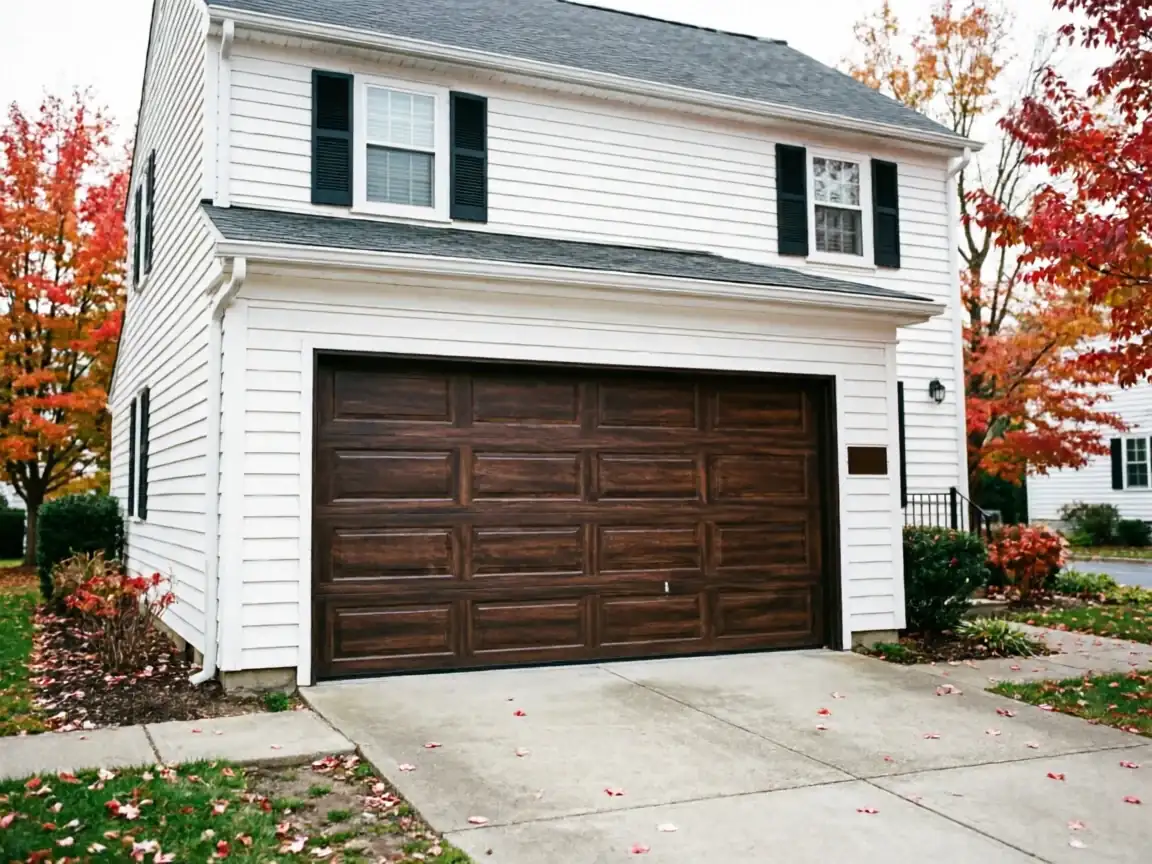
Across the areas we cover - 33 named communities stretching from Ballenger Creek and Spring Ridge four miles out to Thurmont and Emmitsburg closer to twenty - the bulk of the housing is 1980s and 90s construction. That era used torsion and extension spring setups that were standard for their time but are now at or past the end of their rated cycle life. With 34,735 owner-occupied houses across roughly 63,380 households in the service area, that's a lot of garages built to a spec nobody updates until something breaks. A median household income of $115,972 also means a fair number of these homeowners are replacing doors outright rather than patching them repeatedly, especially once a door is pushing 30 years old and the springs, cables, and rollers are all tired at the same time. Frederick, a mile south of the center of our coverage area, has some of the older stock in the mix - pre-1960s construction where you'll still find original track hardware that nobody manufactures anymore.
What It Costs
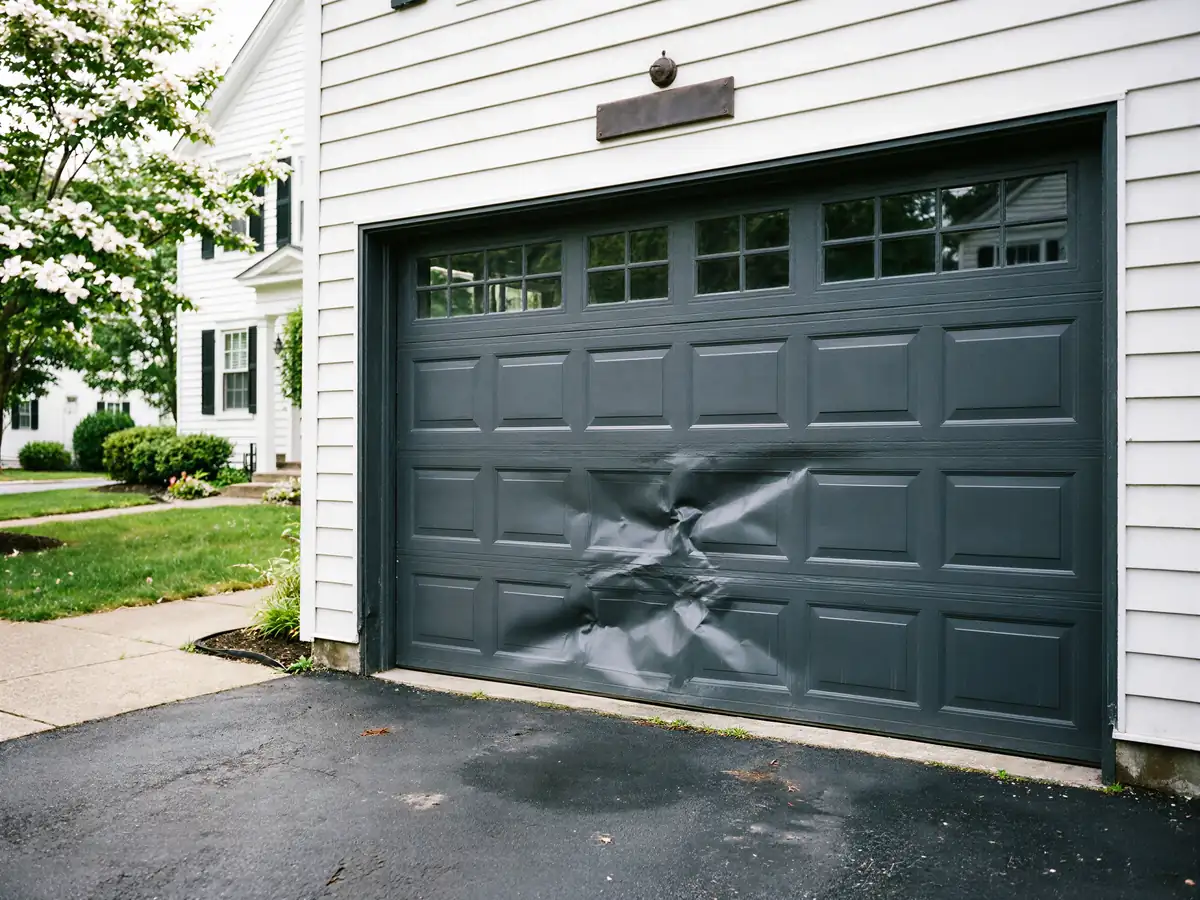
We don't post a price list here because what you pay depends on the door, the spring size, and whether the opener needs anything beyond the obvious. What we can tell you is how the decision usually breaks down. A single broken torsion spring on a door from the 1980s-90s stock that makes up most of this area is almost always a repair, not a replacement - the door itself is usually fine, it's the spring and maybe the cables that gave out. Where it tips toward replacement is a door old enough that the panels are rusted or warped from the cold-weather expansion and contraction this area gets, on top of a spring failure. At that point you're paying for parts and labor on a door you'll likely be replacing in a few years anyway, and we'll say so. We're not going to recommend a full replacement when a repair gets you another decade, and we're not going to patch a door that's actively unsafe just to save you money today.
What the Weather Here Does to It
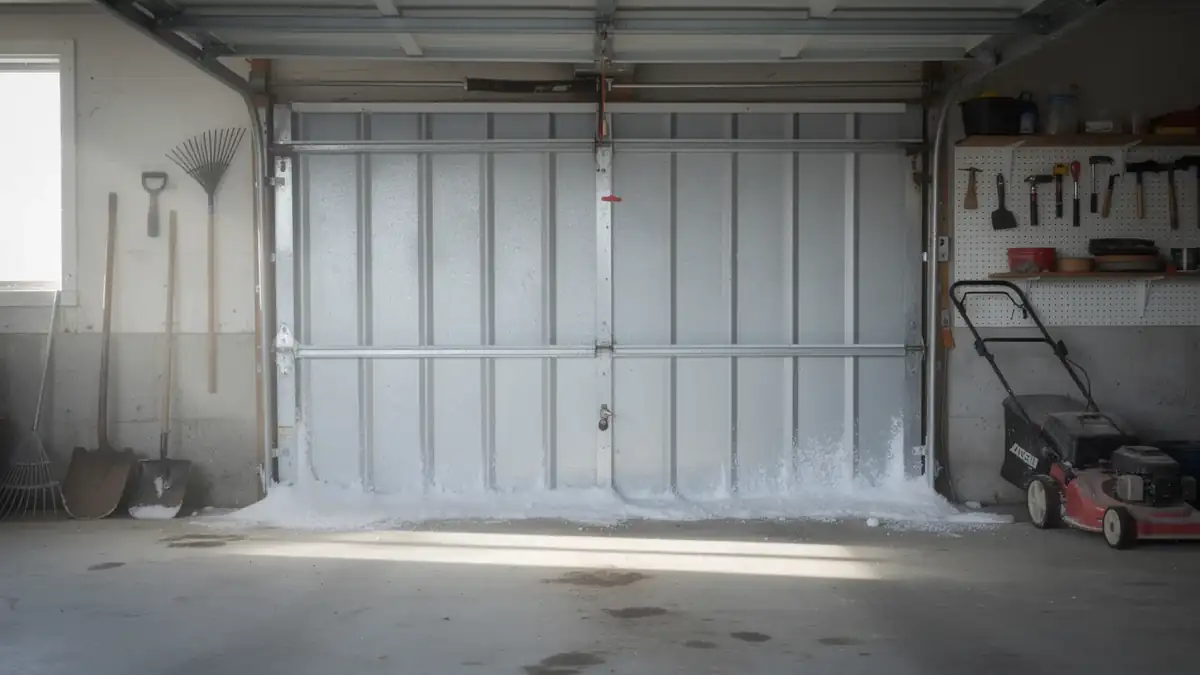
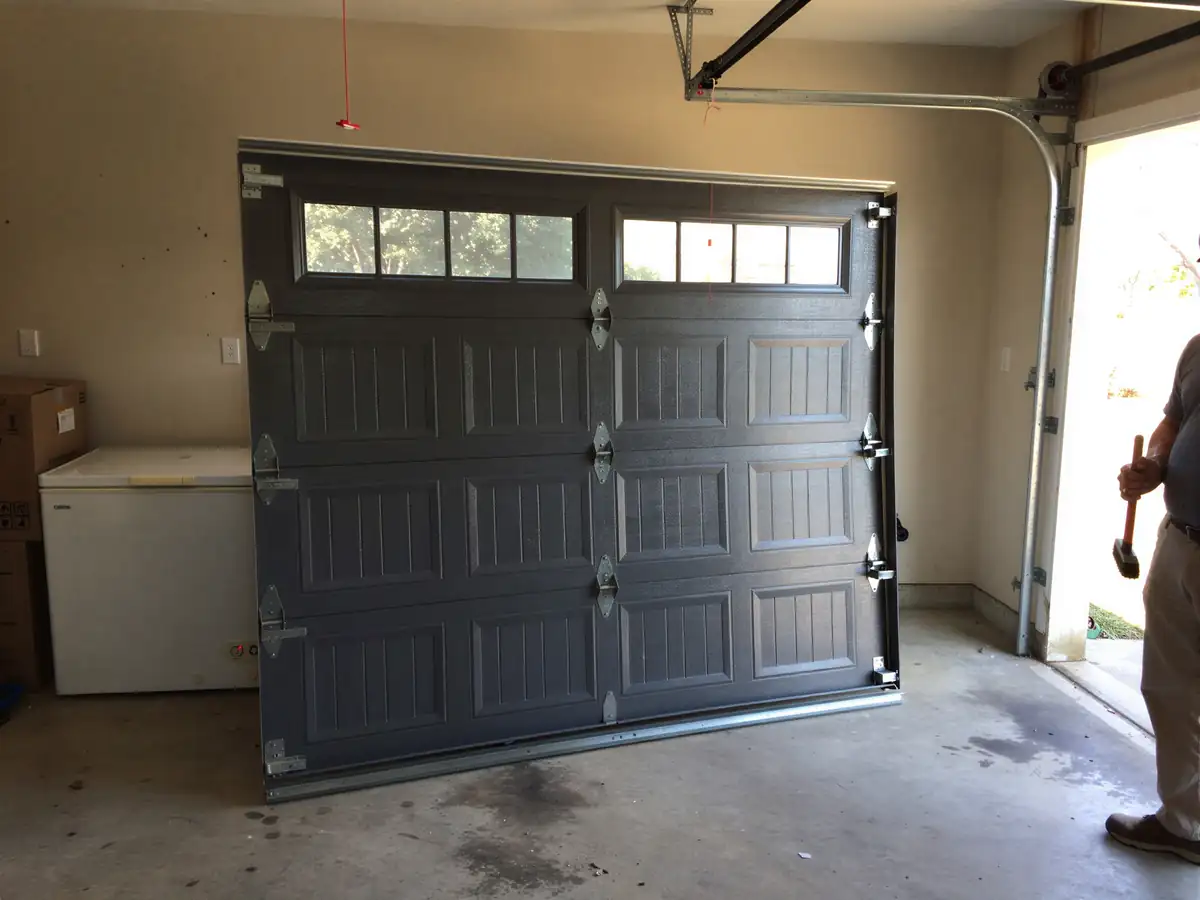
Frederick sits in a severe cold climate band, and that matters more for garage doors than people expect. Steel contracts in cold weather, and on older doors - especially the 1980s-90s stock that dominates this area - that contraction is enough to bind rollers in tracks that were installed slightly out of true decades ago. You'll notice it most on the first really cold morning of the season: the door that worked fine in October suddenly groans or won't open all the way. Torsion springs also lose some tension in deep cold, which is why a spring that was marginal in summer can fail outright in January. Weatherstripping on older doors - the kind installed on houses built before insulation rules tightened up - tends to crack and shrink in this climate, which lets cold air in and lets you know your door seal needs replacing before anything structural does. None of this is unique to one house. It's a pattern we see across the whole service area every winter, tied directly to how old the doors are and how cold it actually gets here.
How it works
From “it’s stuck” to “it’s fixed”
01
Tell us what’s wrong
Describe the symptom - won’t open, loud bang, opener runs but the door won’t move.
02
On-site diagnosis
A technician tests the door under power and by hand and finds what actually failed.
03
Clear, up-front plan
You get the fix that’s needed and what drives the cost - before any work starts.
04
Repaired & tested
The repair is done, the door is set true and tested, and the work area left clean.
Not sure which repair your door needs in Frederick, MD? Describe what it’s doing - every job starts with a diagnosis.
Straight answers about garage door repair in Frederick. Still unsure? Ask us directly.
How old does a garage door spring usually last here?
It depends on cycle count more than age, but with the 1980s-90s housing stock common in this area, we regularly find original springs still in service 25-30 years later, well past typical rated life. If yours is original to a house from that era, it's worth having it checked rather than waiting for it to snap.
Why does my door act up specifically in winter?
This area sits in a severe cold climate band, and steel hardware contracts in low temperatures. Rollers that were already slightly worn bind in the track, and torsion springs lose some lift tension, so problems that were minor in summer show up as real failures on the first hard cold snap.
Is it worth repairing an old door or replacing it?
If the door and track are structurally sound and it's just a spring or cable, repair almost always makes sense. If the panels are warped or rusted on top of a spring failure, especially on a door old enough to predate current stock, replacement usually costs less over time than repeated repairs.