Frederick homes range from 1938 to 2015 builds with original 1980s-90s hardware. Here's what breaks, what it depends on, and how cold winters factor in.
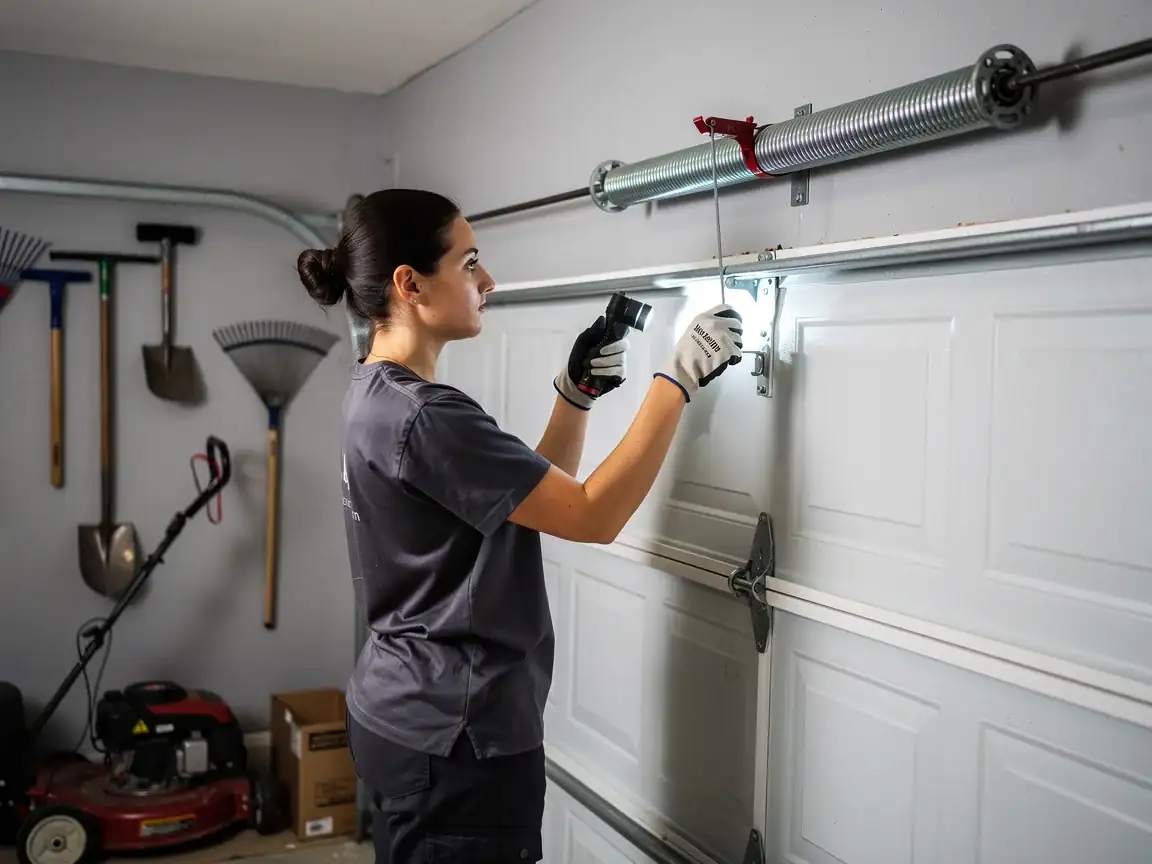
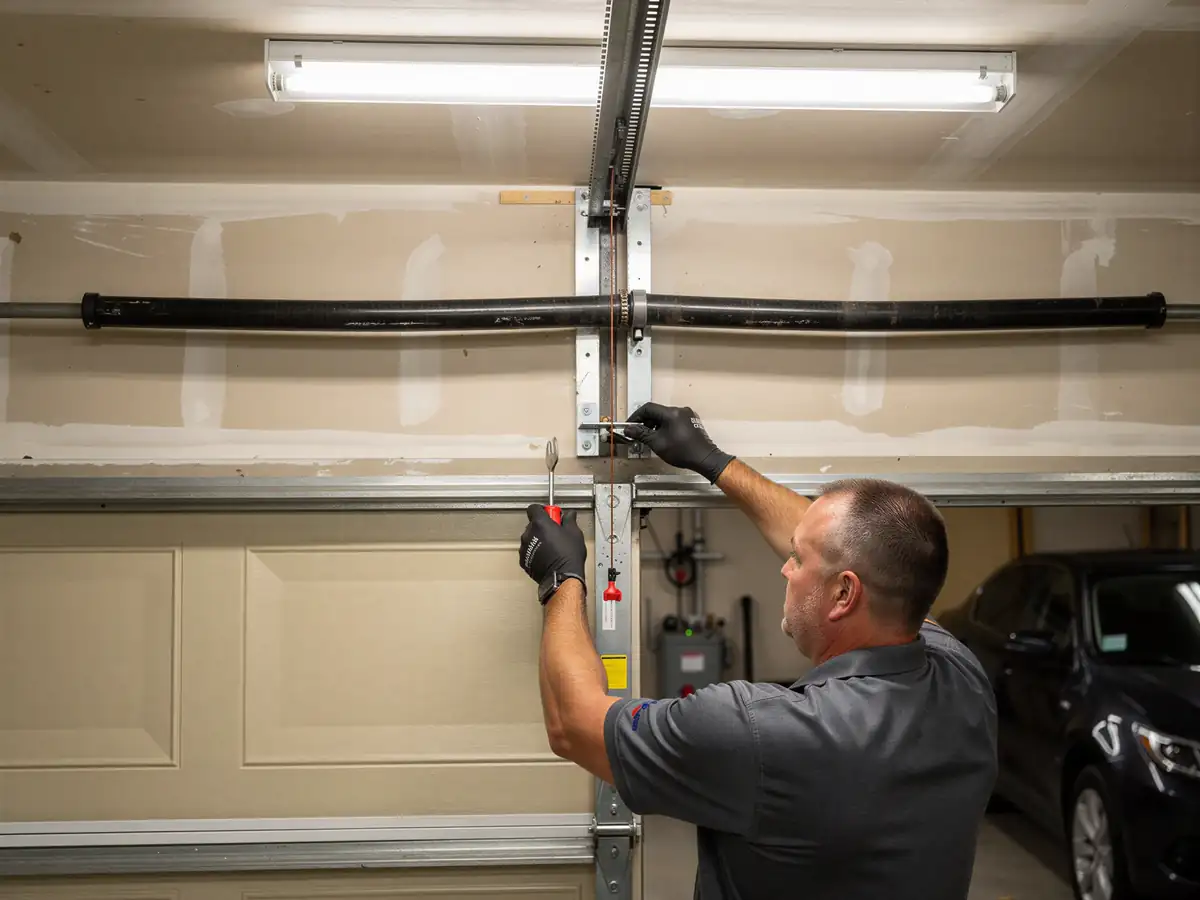
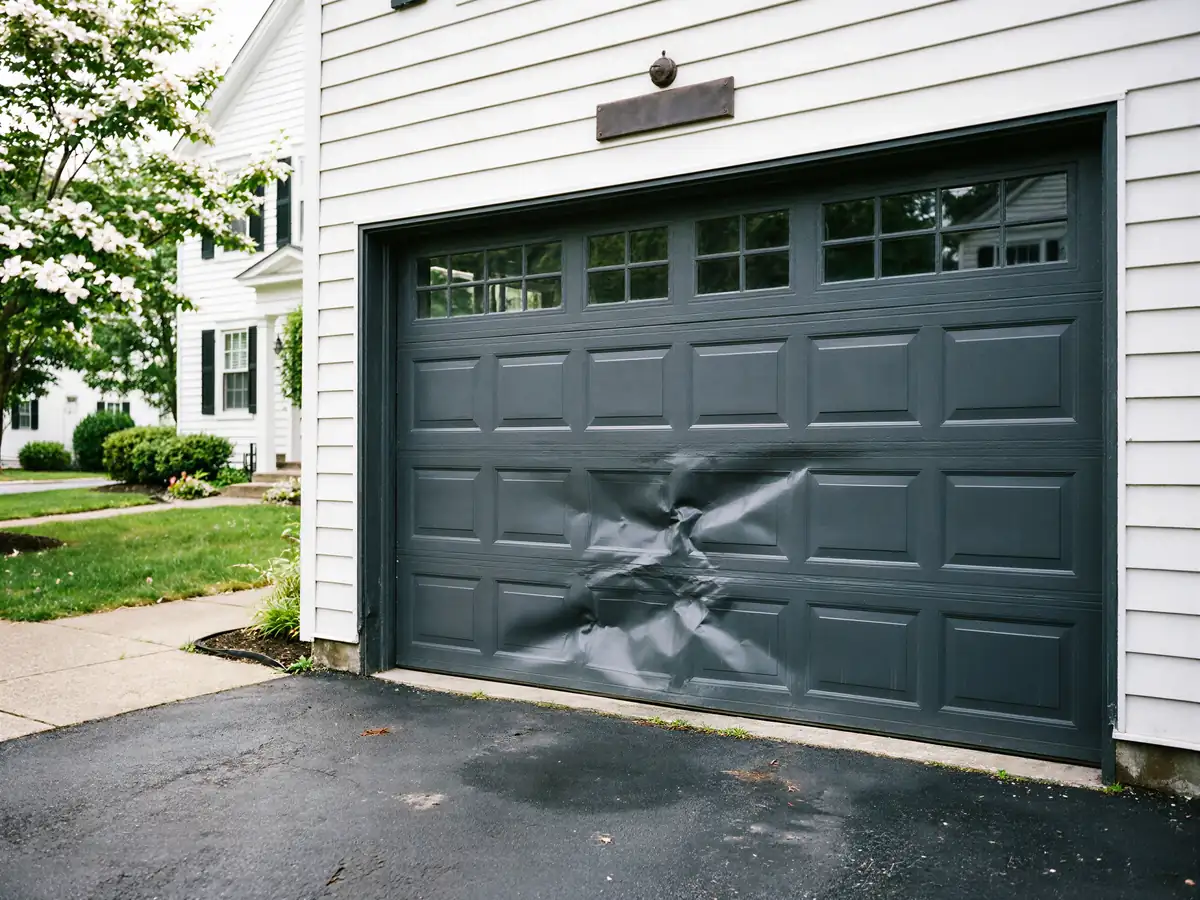
Most people assume a noisy door or a spring that snapped is just bad luck. It usually isn't. Most houses in Frederick went up between 1938 and 2015, with the bulk of that stock dating to the 1980s and 90s, which means a lot of garages still have the original steel sectional doors and torsion springs sized for that era. Those springs were rated for a certain number of cycles when they were installed, and thirty-plus years of opening and closing has used most of them up whether the owner ever noticed or not. The other mistake is treating every symptom as an opener problem. A door that reverses halfway up, or drops suddenly, is almost never the opener itself - it's a spring losing tension or a cable fraying on an old drum. Swapping the opener and leaving the worn spring in place just moves the failure a few months down the road. If your house falls into that 1980s-90s window, assume the spring and the opener are two separate jobs with two separate clocks running, not one system that fails all at once.
The Situation
Across the 33 named areas we cover, from Ballenger Creek four miles out to Emmitsburg nineteen miles north, the door hardware splits pretty evenly between those 1980s builds and the newer construction going up toward Urbana and Clarksburg. That matters because newer doors, especially anything built after insulated steel became standard, use different track spacing and heavier gauge springs than what you'll find on a house built when Reagan was in office. With 34,735 owner-occupied houses among the 63,380 households in the service area, there's a wide range of door ages between the 1991 median build year and homes going up as recently as last decade, and that range shows up directly in what parts a given call needs. A torsion spring off a house near built in the 1940s won't match what's sitting in a garage out past Monrovia. We ask the build era before we guess at a part number, because guessing wrong means a second trip.
What It Costs
With a median household income of $115,972 across the service area, most owners here can afford a full torsion spring replacement rather than patching an old extension spring setup with mismatched parts, but we still see plenty of original hardware in the older pockets near downtown where nobody's touched the door since it was installed. We're not going to quote a number here, because what a job costs depends on the door's age, whether it's a single torsion spring or two, and whether the drums and cables need replacing alongside it - and we won't know that until we've looked at the actual door. What we will say is that patching a 30-year-old extension spring system usually costs more over time than replacing it with a torsion setup built for the door's actual weight. That's not a sales pitch, it's just what happens when you keep repairing parts that were never matched to begin with.
What the Weather Here Does to It
Frederick sits in a cold-severe climate band, so the grease in an opener chain or torsion spring thickens up hard on the mornings when temps drop fast overnight. Steel contracts in the cold too, which means a spring that was already near the end of its cycle count is more likely to let go on a fifteen-degree morning than a mild one - the metal's lost some give it had in warmer weather. We see this most on the older 1980s and 90s doors that still run the factory lubricant, which wasn't built to stay workable at the low end of a Maryland winter. It's worth checking the spring and hinges before the first hard cold snap rather than after a door won't open on the coldest day of the year. We can't stop steel from doing what steel does in the cold, but a door that's been serviced going into winter handles it a lot better than one that hasn't been touched since summer.
How it works
From “it’s stuck” to “it’s fixed”
01
Tell us what’s wrong
Describe the symptom - won’t open, loud bang, opener runs but the door won’t move.
02
On-site diagnosis
A technician tests the door under power and by hand and finds what actually failed.
03
Clear, up-front plan
You get the fix that’s needed and what drives the cost - before any work starts.
04
Repaired & tested
The repair is done, the door is set true and tested, and the work area left clean.
Not sure which repair your door needs in Frederick, MD? Describe what it’s doing - every job starts with a diagnosis.
Straight answers about garage door repair in Frederick. Still unsure? Ask us directly.
Why did my spring break in the morning instead of during the day?
Cold steel loses some flexibility, and Frederick's winters sit in the cold-severe band. A spring that's near the end of its life is more likely to snap on a cold morning than in the afternoon once things warm up a few degrees. It's not really about the time of day - it's about the metal being stiffer when it's cold.
How do I know if my door is old enough to have outdated hardware?
If your house was built in the 1980s or 90s - which covers a lot of the service area - there's a decent chance the original torsion springs and track are still in place. Newer builds from the 2000s on usually have different spacing and heavier springs. Knowing roughly when your house went up helps us bring the right parts the first time.
Is it worth fixing an old extension spring system or replacing it?
Extension springs on older houses often get patched piecemeal over the years, which leaves mismatched parts rated for different weights. Replacing the whole thing with a matched torsion setup usually costs less over time than another round of patches, though we'd need to see the door before saying that's true in your case.