Opener won't open, reverses, or runs but the door won't move? We troubleshoot and repair garage door openers across the Frederick, MD service area, from 1938 to recent builds.
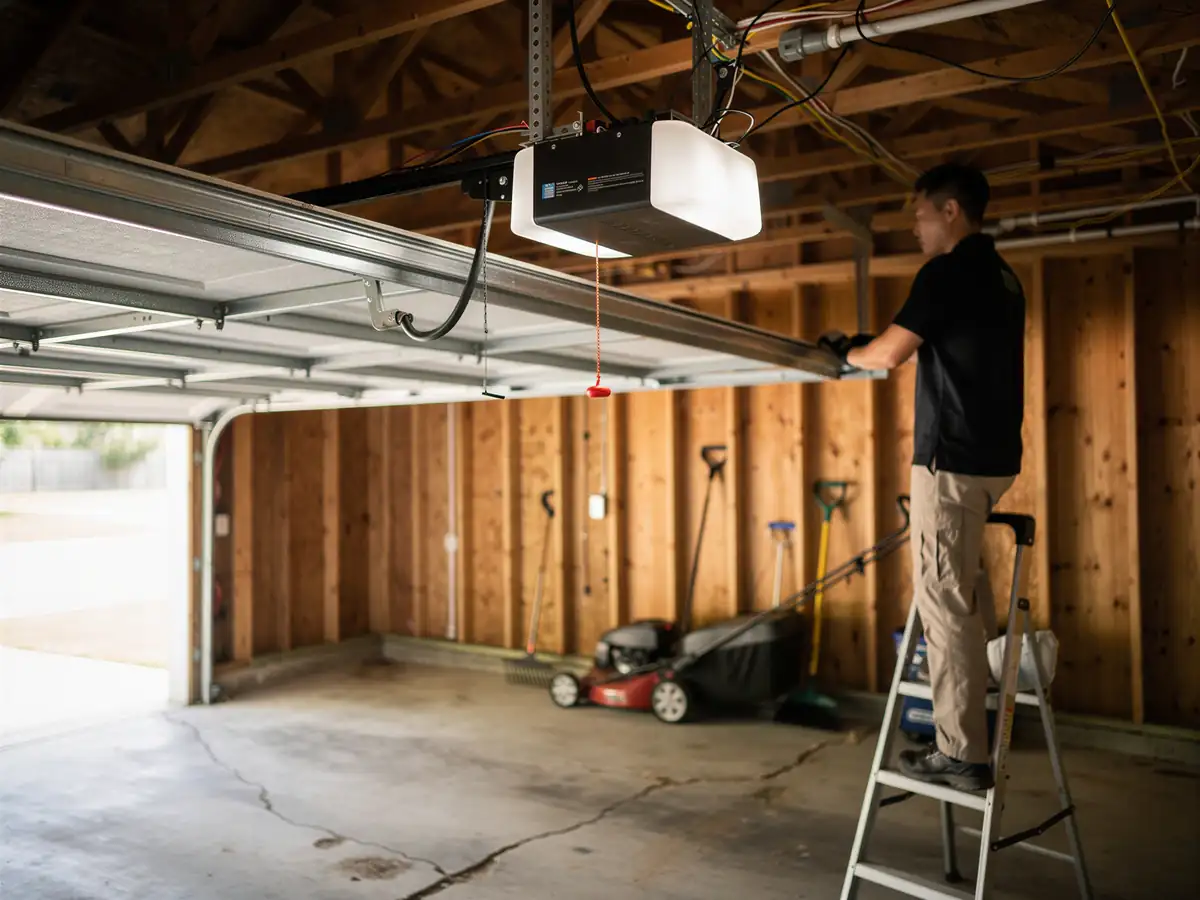
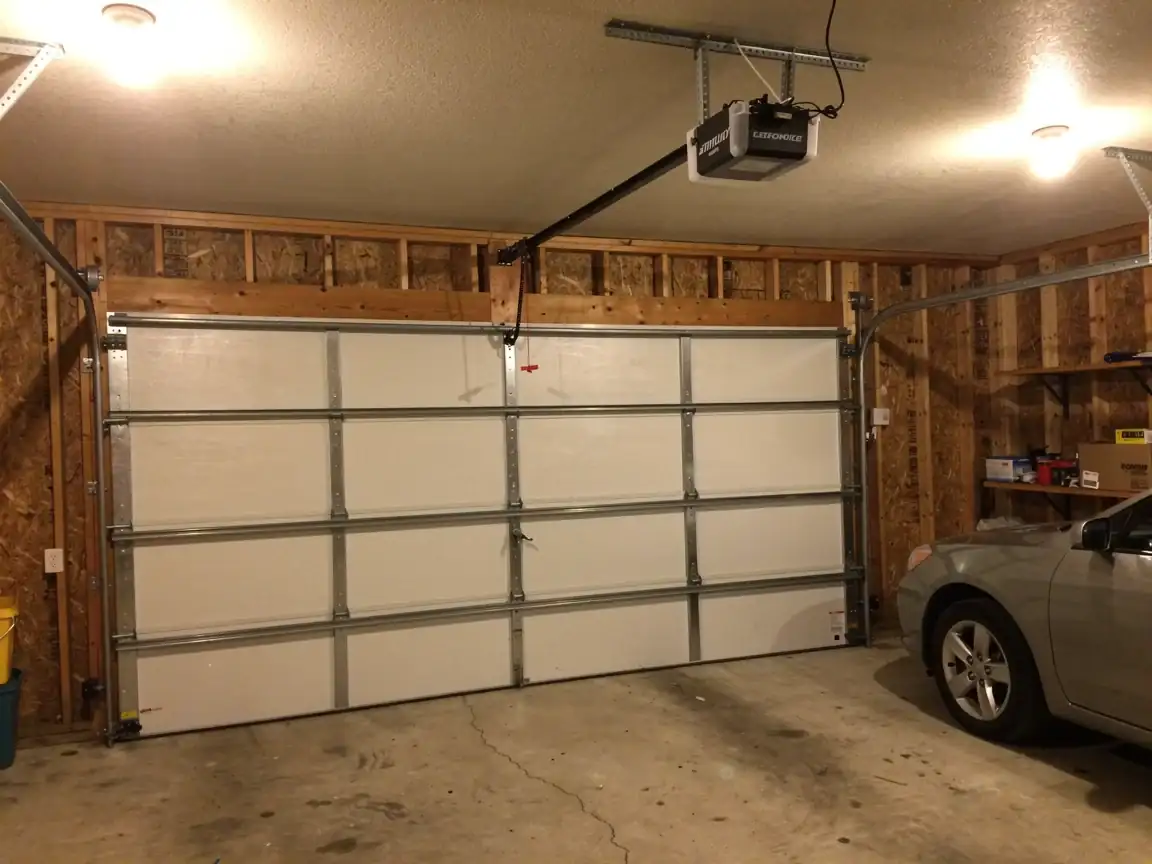
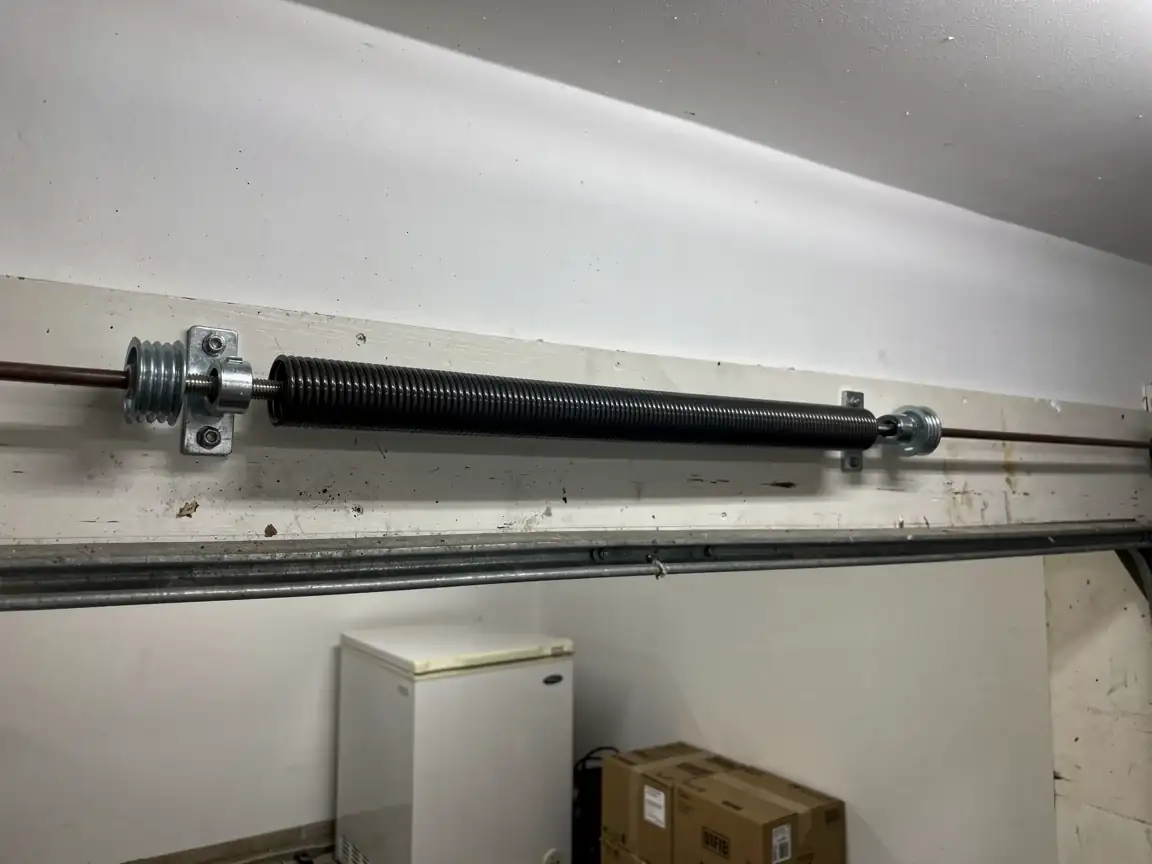
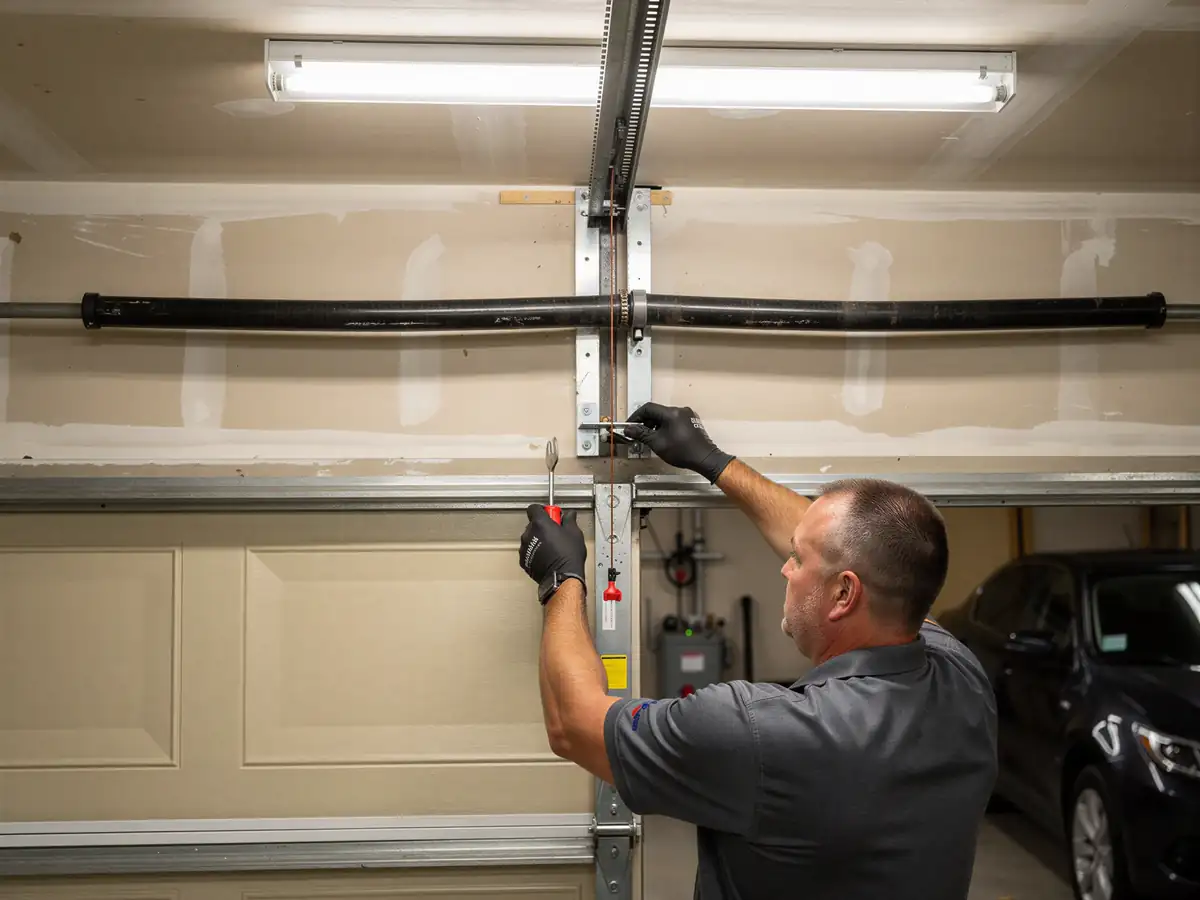
The remote works from the driveway but not from the car. The light blinks a code and the door reverses halfway up. These are the calls we get, and they almost never mean the same thing twice. Sometimes it's the opener itself: a stripped gear, a burnt circuit board, a capacitor that gave out after one too many cold starts. Sometimes the opener is fine and the problem is downstream of it - a spring that's lost tension so the opener is trying to lift weight it was never sized for, or a track that's bent just enough to bind.
02
Across the Frederick service area we see both kinds of calls in roughly equal numbers
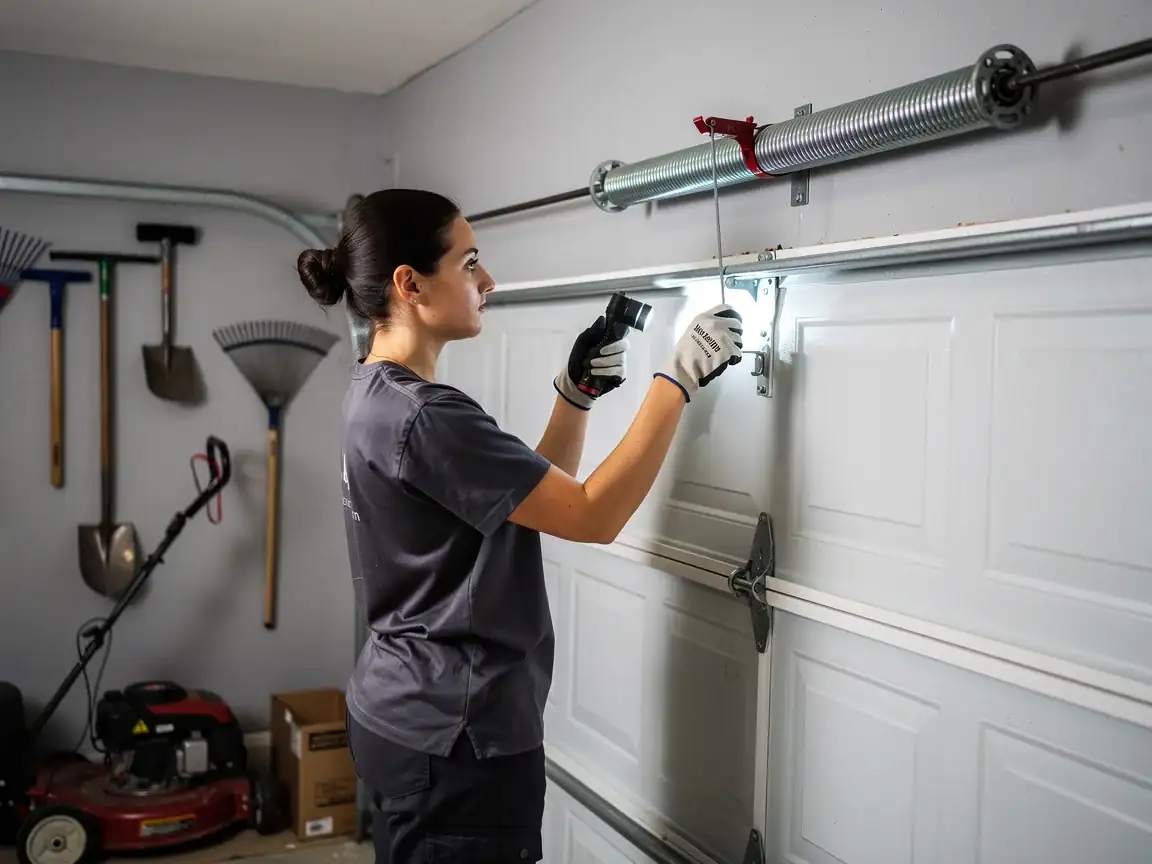
Which is why opener repair isn't a one-size job. A tech who only knows how to swap a logic board will miss the spring that's actually failing. We check the whole system - opener, springs, cables, rollers, track alignment - before we call it an opener problem, because telling a homeowner they need a new opener when they need a $40 spring adjustment is how this trade gets a bad name.
Doing It Yourself
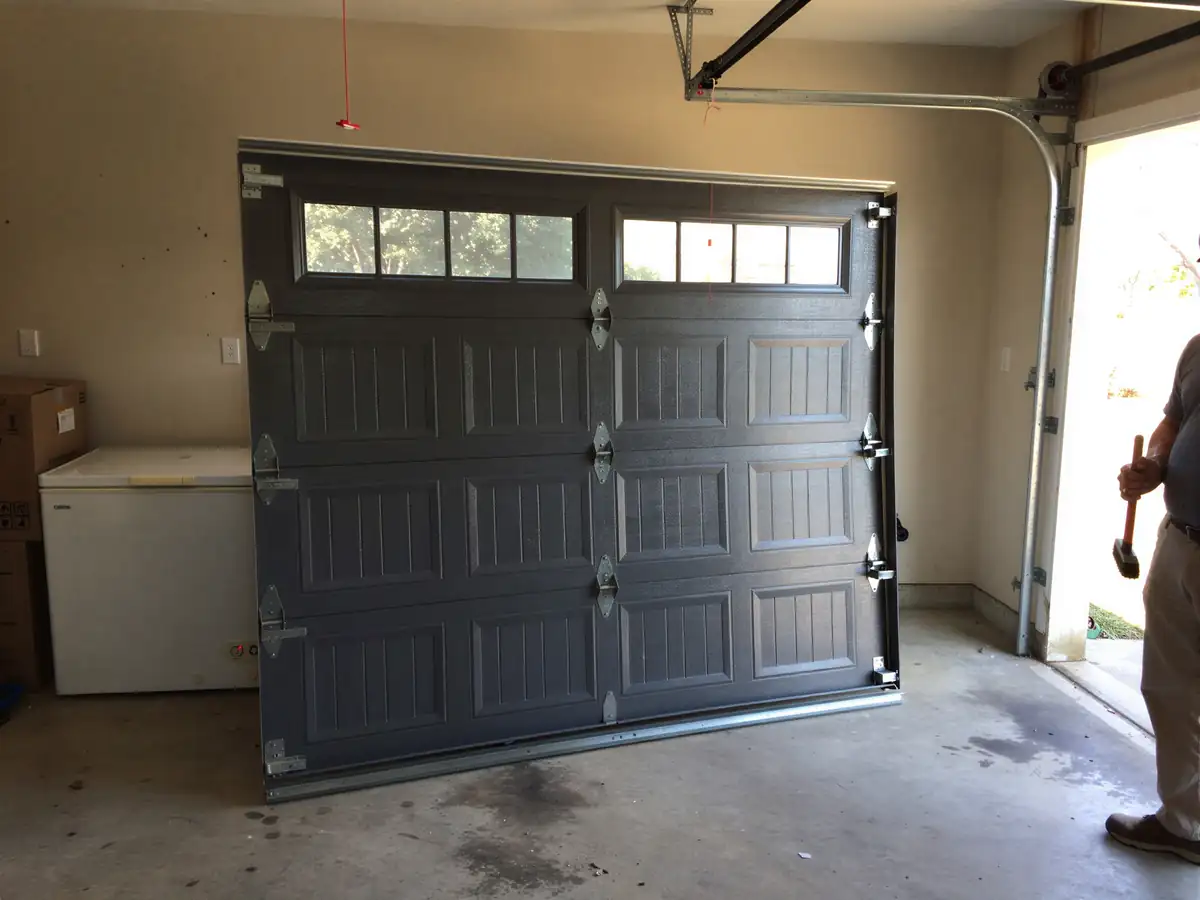
If the opener runs but the door won't lift, don't keep hitting the button. Repeated attempts against a stuck or overweight door burn out the motor and strip the drive gear, turning a spring job into an opener replacement job. Disconnect the opener (pull the emergency release) and try lifting the door by hand. If it's heavy, uneven, or won't stay up on its own, that's a spring problem, not an opener problem, and it's not a safe DIY fix - torsion springs under load have hurt people.
What you can check yourself: the photo-eye sensors near the floor track (dirt or misalignment is a common cause of a door that reverses), the wall button wiring if it's been chewed or loose, and whether the opener's travel limits have drifted after a battery backup swap. Beyond that, we draw the line. Opener circuit boards aren't something we recommend a homeowner open up, and we won't pretend otherwise - some fixes need a meter and a parts bin, not a screwdriver and good intentions.
What Causes It Around Here
Housing in the Frederick service area spans 1938 through 2015, with a lot of stock built in the 1980s and 90s across the 33 communities we cover. That matters for openers specifically: a house built in that window likely has its second or third opener by now, and older chain-drive units from that era were not built for the duty cycles today's garage doors (heavier, insulated, double-wide) put on them. The motor strains, the gear wears faster, and the opener starts showing symptoms years before most homeowners expect it to fail.
The cold is the other half of it. This is a severe cold-climate band, and opener failures spike in winter for a boring mechanical reason: cold grease in the gear housing thickens, capacitors that are already marginal lose what little reserve they had, and a door with ice or frost on the bottom seal asks the opener to pull more weight than it's rated for. We see a real jump in opener calls on the first hard cold snap of the season, not because the opener broke overnight but because it was already weak and the cold finished the job.
How Long It Takes
01
Most opener repairs
A bad sensor, a stripped gear, a logic board swap, a dead capacitor - are diagnosed and fixed in one visit, same truck, no return trip. What slows a job down is parts: if your opener is an older model and the board or gear isn't something we carry on the truck, we order it and come back. We won't guess at a part number over the phone and show up with the wrong board; that wastes your afternoon and ours.
02
If the real problem turns out to be the springs or cables and not the opener at all
That's usually also a same-visit fix once we're on site and can see the actual wear. The honest limitation here: we can tell you what's likely wrong from a phone description, but we can't quote a firm repair time until we've opened the unit and looked at the gear train, because two openers with the identical symptom can have completely different root causes.
How it works
From “it’s stuck” to “it’s fixed”
01
Tell us what’s wrong
Describe the symptom - won’t open, loud bang, opener runs but the door won’t move.
02
On-site diagnosis
A technician tests the door under power and by hand and finds what actually failed.
03
Clear, up-front plan
You get the fix that’s needed and what drives the cost - before any work starts.
04
Repaired & tested
The repair is done, the door is set true and tested, and the work area left clean.
Not sure which repair your door needs in Frederick, MD? Describe what it’s doing - every job starts with a diagnosis.
Straight answers about garage door repair in Frederick. Still unsure? Ask us directly.
My opener light blinks and the door won't close all the way. What's that mean?
That's almost always the safety sensors near the bottom of the track - dirt, a cobweb, or one knocked out of alignment. Clean the lenses and check they're pointed at each other first. If the light still blinks after that, the sensor wiring or the opener's logic board may be at fault, and that's a service call.
Is it cheaper to repair my opener or replace it?
Depends on the age and what's failed. A dead capacitor or sensor is almost always worth repairing. A stripped main gear on an older chain-drive unit, or a motor that's burnt out, often costs close to a new opener once labor's added in - we'll tell you straight which side of that line your unit is on.
Why does my opener act up more in winter?
Cold grease in the gear housing thickens and slows the motor, and a door with a frosted or stiff weather seal makes the opener pull harder than it's built for. In this climate band that combination is common enough that we see a real jump in opener calls on the first hard freeze each year.
Can I just replace the opener myself?
Mechanically, yes, if you're comfortable with wiring and precise bracket alignment. Where people get hurt is the safety reversal and force settings - set wrong, the door won't stop on an obstruction, which is a real hazard with kids or pets around. We'll install it right the first time if you'd rather not risk it.