Fixing vs. Replacing an Older Garage Door in Frederick
Frederick, MD homes mostly date to the 1980s-90s, built 1938-2015. Here's what repair versus replacement really costs here, given our cold, severe winters.
The mistake we see most in Frederick is treating every old door the same
Housing stock here runs from 1938 clear up to 2015, but the bulk of it - across the 33 named areas we work in, from Ballenger Creek to Spring Ridge to - went up in the 1980s and 90s. That matters because a door from a 1980s build and a door from a 1960s build fail in completely different ways, even if both look "old."
02
A lot of homeowners call wanting a new opener because the door is slow or noisy
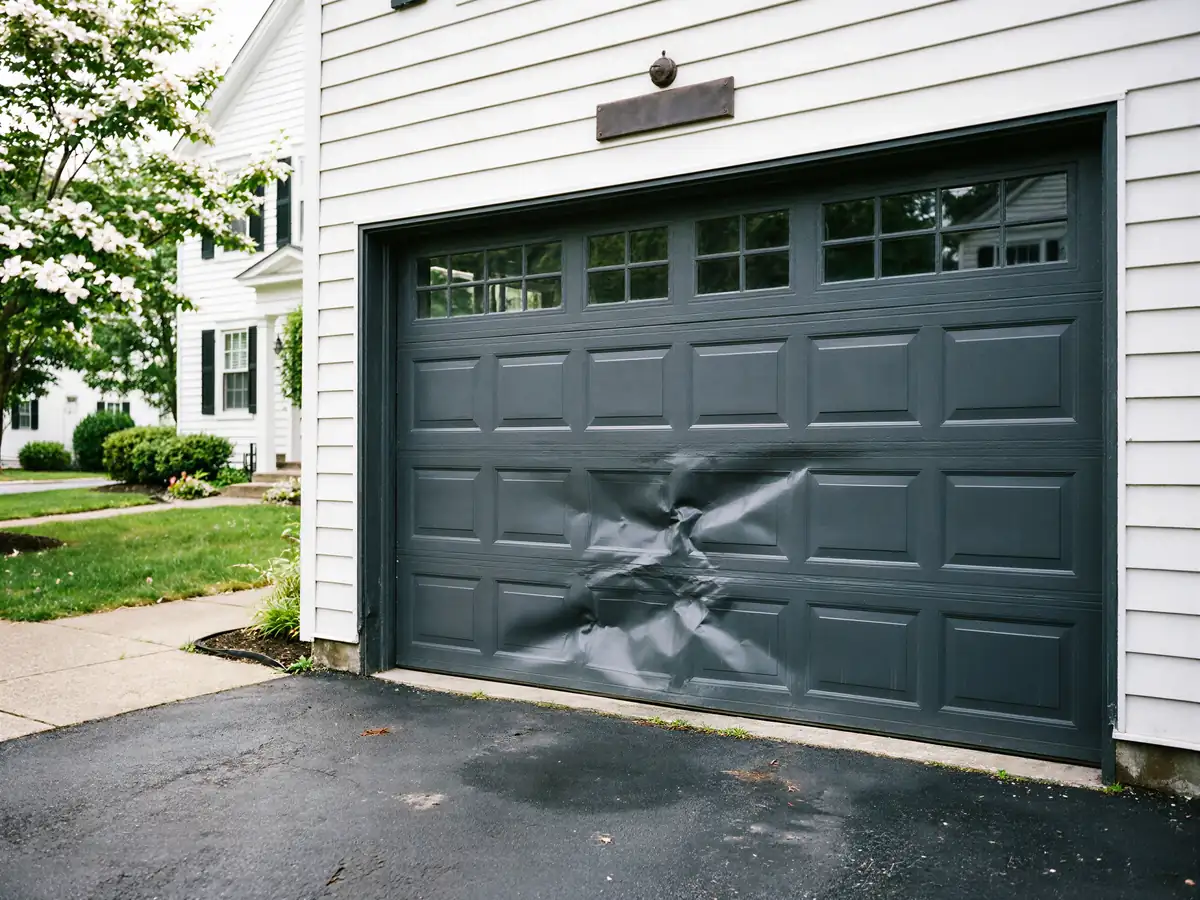
When the real issue is a worn roller or a spring sized for a lighter panel that's since been swapped for something heavier. On the flip side, some people pour money into a torsion spring and new cables on a steel panel door that's rusted through at the bottom corners - at that point you're fixing a door that's going to fail somewhere else next winter anyway.
03
The honest first step is figuring out which era your door actually belongs to
Not guessing by how it looks. A door that's 15 years old and a door that's 45 years old can carry near-identical surface wear, but the parts underneath - and what's worth saving - are not the same.
The Situation
Frederick's service area covers roughly 63,380 households, with about 34,735 of those owner-occupied houses - the kind of housing stock where a garage door isn't a luxury item, it's a daily-use appliance attached to the house. Median household income across the area sits at $115,972, which tends to shift the repair-versus-replace math: people here are often willing to pay for a correct fix rather than the cheapest patch, but that only pays off if the door underneath is worth the investment.
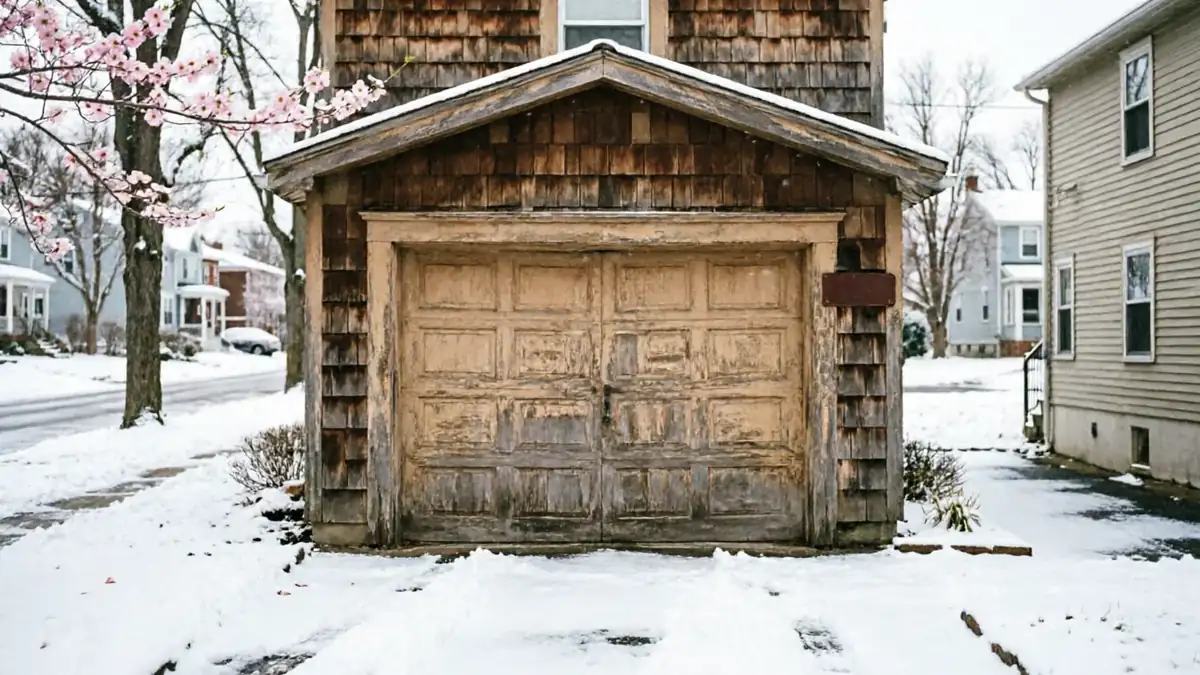
Given that most of the stock dates to the 1980s and 90s, a large share of the doors we see are sitting right in that 30-to-45-year window where original springs, cables, and rollers are at or past the end of their realistic service life, but the door panel itself - especially steel sectional doors from that era - is often still structurally sound. That's the sweet spot for repair. Doors from the 1938-era end of the range are a different conversation: original hardware on those is scarce enough that sourcing parts can cost more time than the job itself, and replacement often makes more sense once you're in that territory.
What It Costs
We're not going to put a number here that we can't stand behind, because garage door pricing depends on spring size, panel material, and what's actually broken - and guessing at a figure does nobody any favors. What we can tell you is how to think about it for a Frederick-era door.
If your door is from the 1980s-90s wave - the majority of what's out there - repair usually wins: springs, cables, rollers, and openers from that period are standard sizes that get stocked, not special-order. The job is parts-and-labor, not detective work.
If your door is from the older end of the 1938-2015 range, the math changes. Original hardware on a decades-old door can mean a longer wait on parts, and a tech spending time sourcing something that isn't common anymore. At that point, a straight repair quote and a replacement quote are worth comparing side by side before you commit, because the labor to chase down obsolete parts can erode the savings of "just fixing it."
Our honest limitation: we don't carry every obsolete part for every era of door in stock, and we won't pretend a repair is quick when it requires tracking one down.
What the Weather Here Does to It
01
Frederick sits in a cold, severe climate band, and that matters more to a garage door than most homeowners expect
Cold doesn't just stiffen a spring temporarily - repeated freeze cycles over a winter season accelerate metal fatigue in torsion springs that are already decades into their service life, which is most of the springs out there given how much of our housing stock is from the 1980s and 90s.
02
Cold also thickens grease and oil on rollers and hinges
Which is why a door that worked fine in October can start binding or slamming the last few inches of travel once temperatures drop. On older steel panel doors, cold makes any existing rust at the bottom corners more brittle and more likely to crack under the stress of daily opening and closing.
03
The practical upshot
If a spring or opener is already marginal, a hard winter is usually what finishes it off, not a sudden failure out of nowhere. Doors that get serviced before the cold sets in - fresh lubrication, a look at cable wear, a check on spring tension - tend to make it through the season instead of failing on the coldest morning of the year, which is also the least convenient time for it to happen.
How it works
From “it’s stuck” to “it’s fixed”
01
Tell us what’s wrong
Describe the symptom - won’t open, loud bang, opener runs but the door won’t move.
02
On-site diagnosis
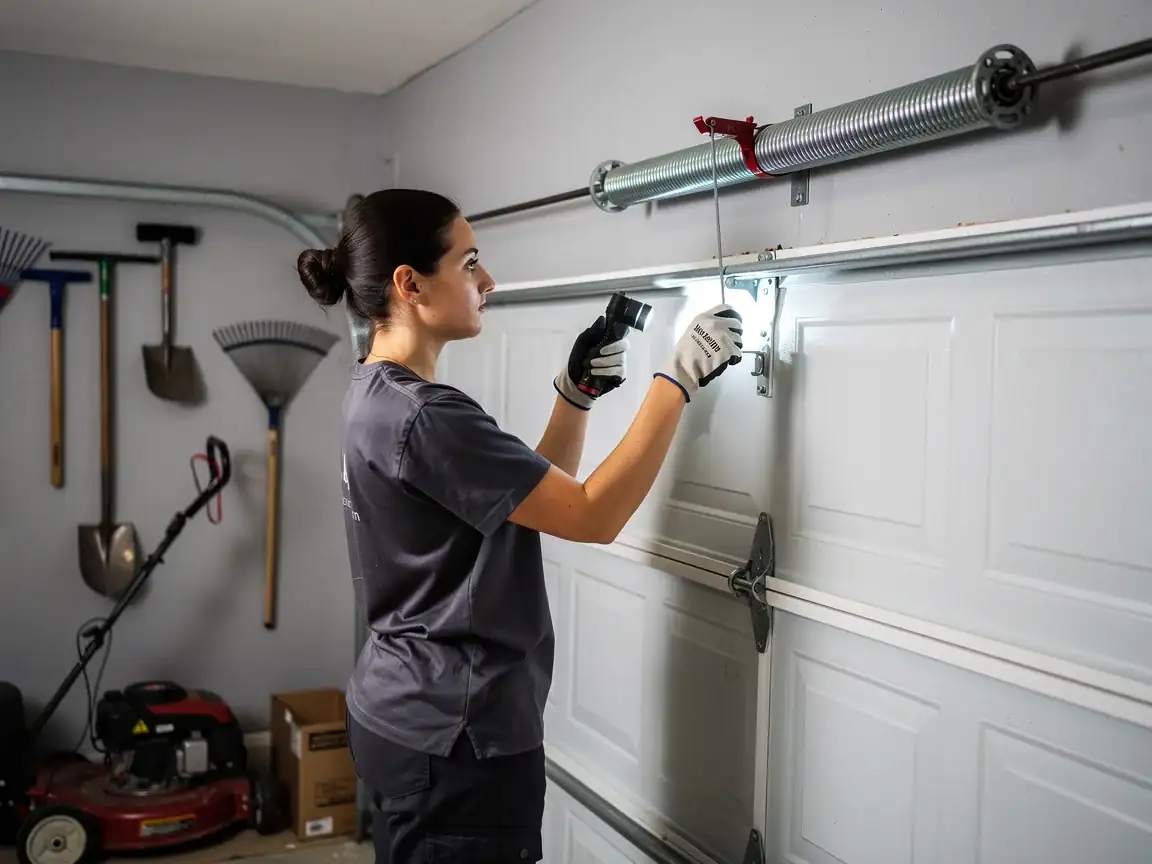
A technician tests the door under power and by hand and finds what actually failed.
03
Clear, up-front plan
You get the fix that’s needed and what drives the cost - before any work starts.
04
Repaired & tested
The repair is done, the door is set true and tested, and the work area left clean.
Not sure which repair your door needs in Frederick, MD? Describe what it’s doing - every job starts with a diagnosis.
Straight answers about garage door repair in Frederick. Still unsure? Ask us directly.
How do I know if my garage door is too old to repair?
Look at the era, not just the look of the door. If your house is part of Frederick's 1980s-90s stock, standard parts are almost always available and repair makes sense. If your home is older - closer to the 1938 end of our housing range - original hardware may be scarce, and a repair quote is worth comparing against a replacement quote before you decide.
Why did my garage door suddenly get hard to open in winter?
We're in a cold, severe climate band, and cold weather stiffens grease on rollers and hinges while adding stress to torsion springs that are already years into their service life. A door that was borderline in fall often becomes a hard-to-open door once temperatures drop - it's rarely sudden, just the cold finishing off a part that was already worn.
Is it worth fixing a steel panel door with rust at the bottom?
It depends how far it's gone. Surface rust on an otherwise sound steel panel is usually fine to work around. Rust that's eaten through the bottom corner weakens the panel structurally, and cold weather makes that rust more brittle - at that point you're likely looking at panel replacement rather than a spot repair.