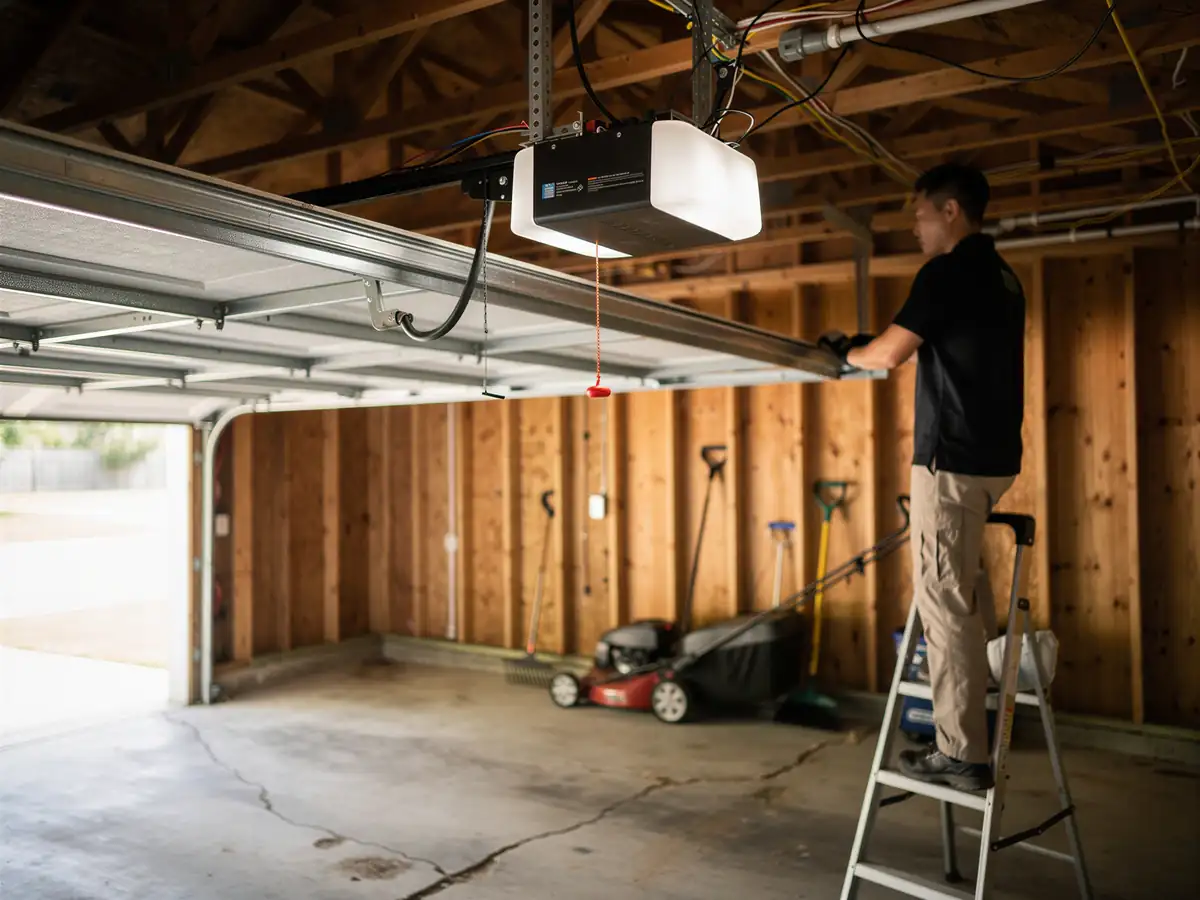
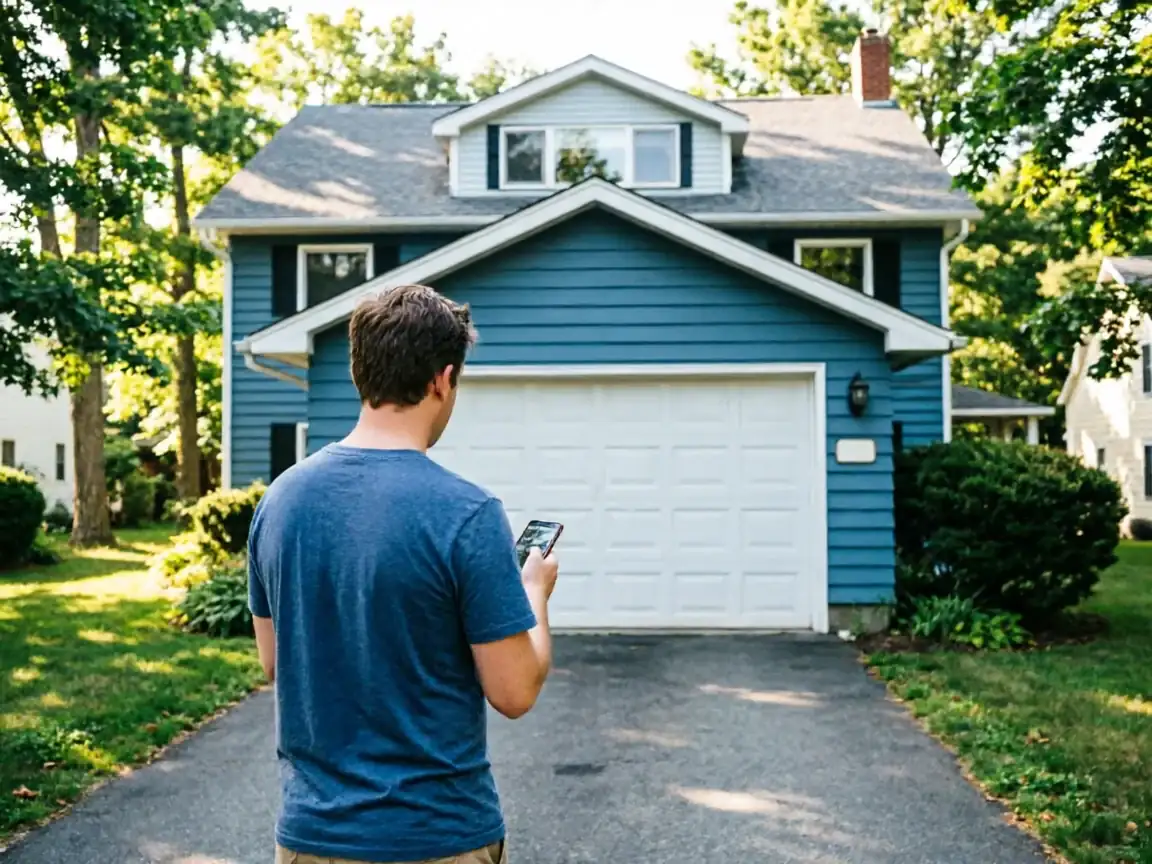
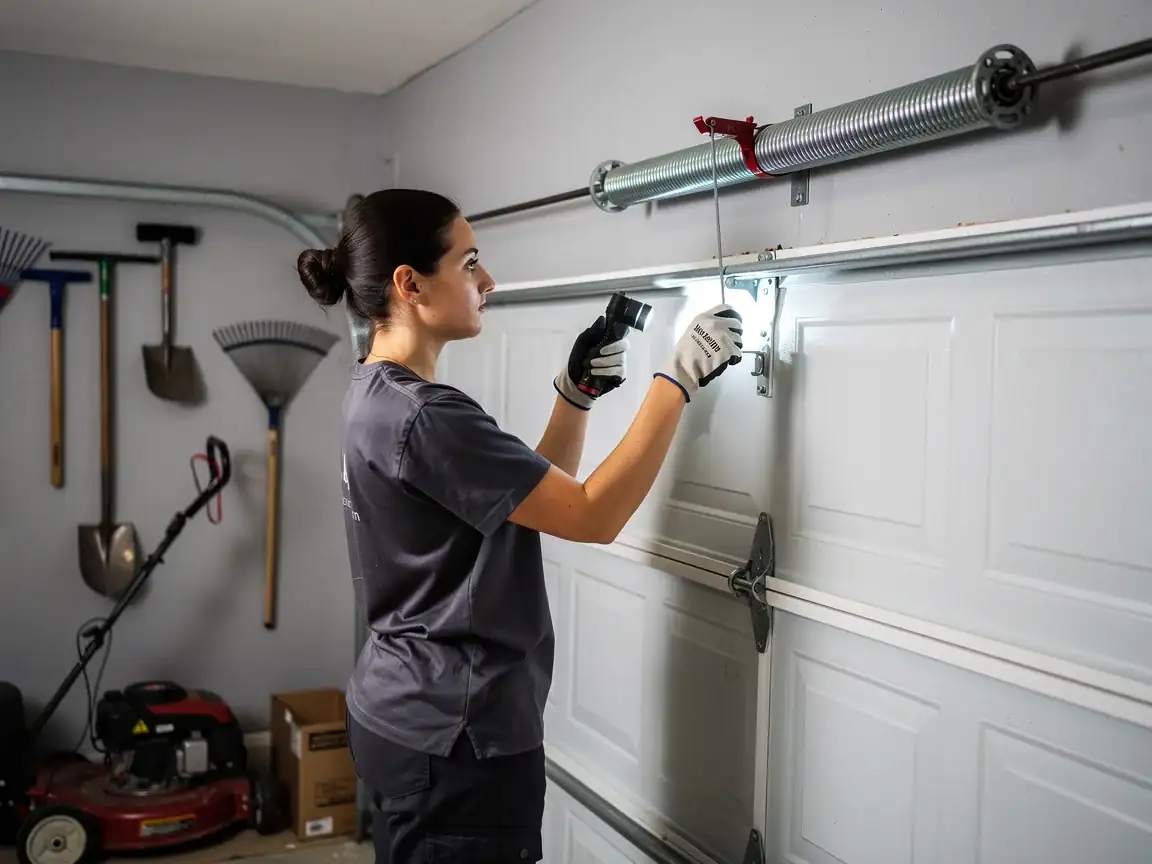
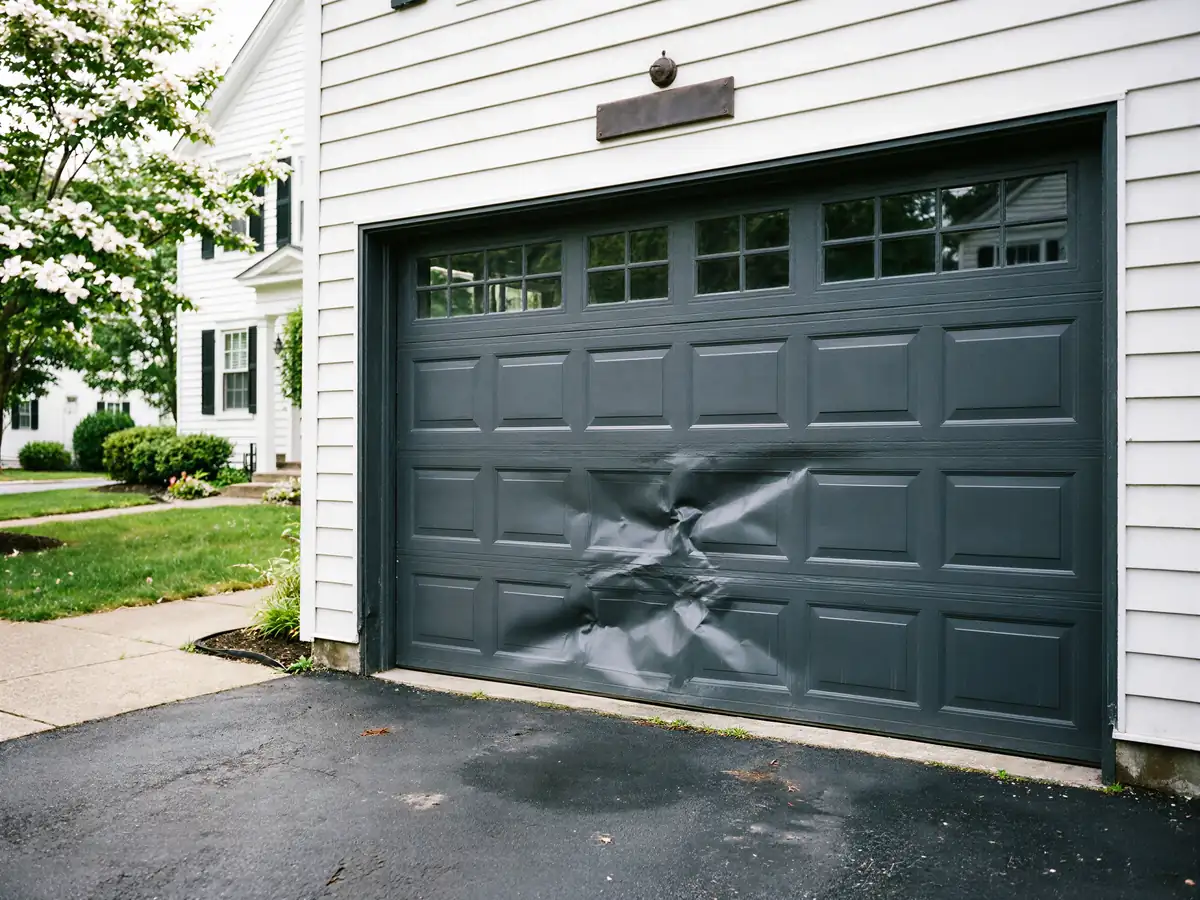
Urbana's homes mostly date to 2007, newer than most of the Frederick area. We fix openers, sensors, and logic boards built into that newer construction stock.
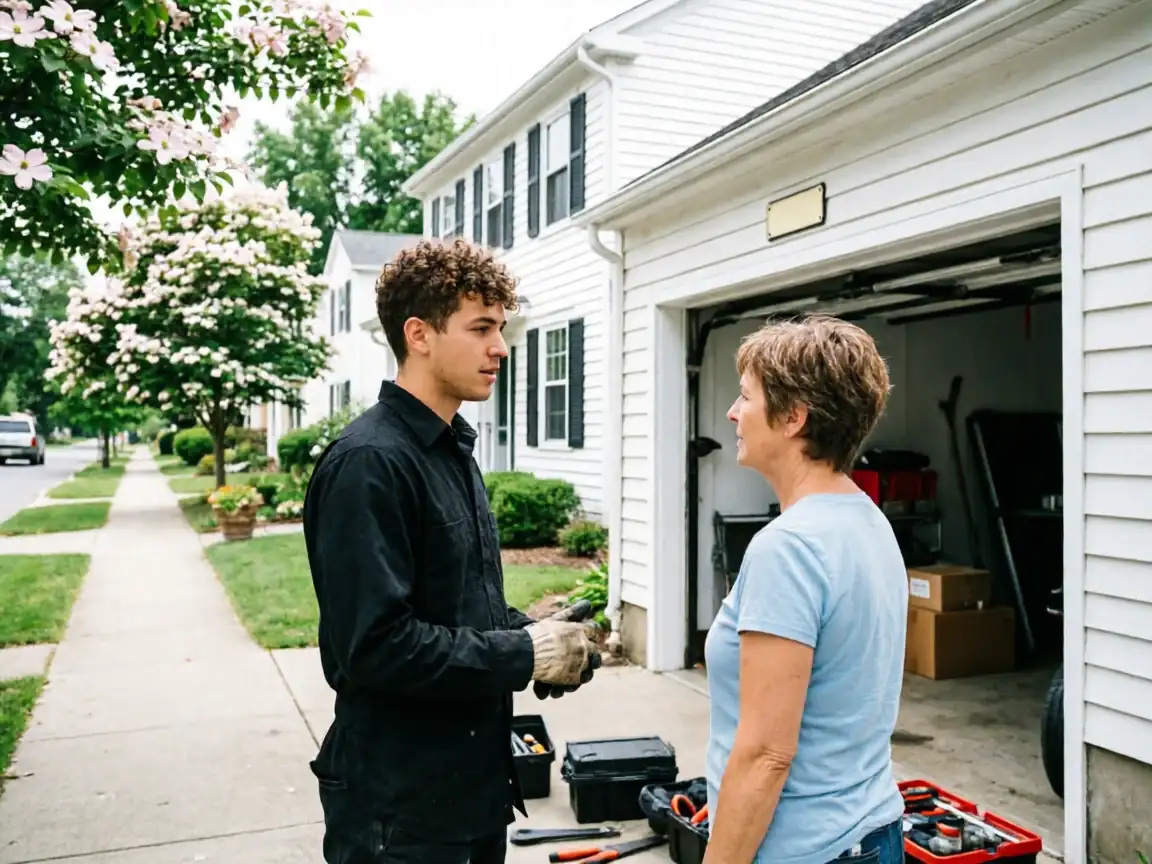
We run this call from Frederick, about 8 miles out, so there's no branch office in Urbana and we won't pretend otherwise. You call, tell us what the opener is doing - won't close, reverses halfway, clicks but doesn't move the door - and we schedule a truck run out your way. Because Urbana sits closer to the edge of our coverage than the city center does, we ask a few more questions up front about the opener model so the tech shows up with the right logic board or sensor kit rather than guessing at the counter. If your opener was installed when the house was built, that's useful to know; most of this neighborhood went up around 2007, and that tells us a lot about what's likely inside the unit before we ever open the housing. For the general rundown of what we cover across the wider area, see our Frederick opener repair page. For the rest of what we do on doors themselves in this town, there's also our Urbana page.
What Causes It Around Here
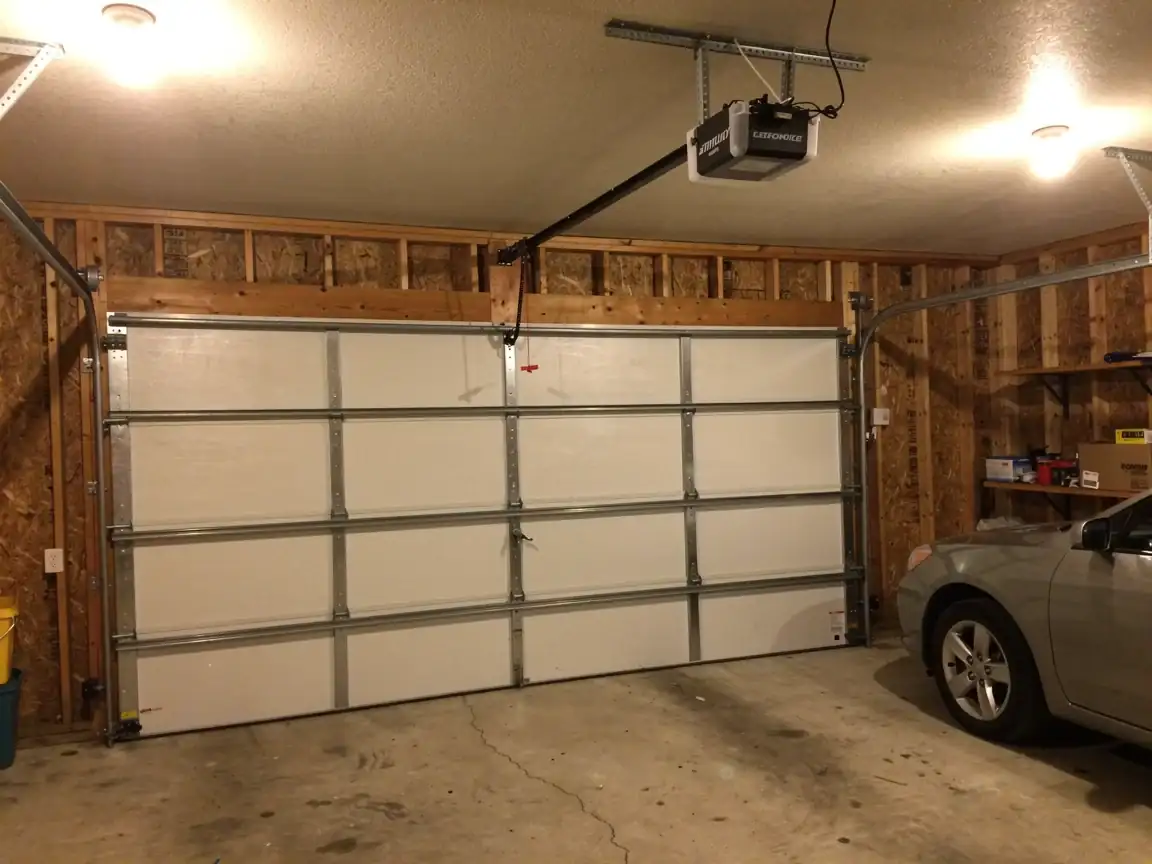
Urbana's housing is young compared to the rest of the territory we cover - median build year 2007, versus 1991 across the broader Frederick service area. That gap matters for openers specifically. Most houses here came with a builder-installed opener as part of the garage package, not something an owner picked out, and those units are now pushing 15 to 18 years old, right at the edge of their working life. We're seeing the first real wave of logic board failures and worn drive gears in this pocket, not because anyone neglected the door, but because the opener clock simply ran out. The service area sits in a cold climate zone with hard winters, and that's rough on belt-drive systems from that era - the rail lubricant stiffens below freezing and the carriage drags, which reads to the homeowner as a weak or dying opener even when the motor itself is fine. With 4,285 households in Urbana, it's a smaller, newer pocket than most of what we cover, and the failure pattern reflects that: fewer snapped cables, more electronics and cold-weather binding.
Parts We Carry
We stock logic boards, circuit boards, photo-eye sensors, drive belts, and remotes that match the builder-grade openers common in homes from the early 2000s. Keypads, wall consoles, and battery backup units for openers with that feature are also truck stock, since those fail on their own schedule separate from the motor. Here's the honest limit: once an opener model is more than about 15 years old and the manufacturer has moved on to a new control board design, we sometimes can't get an exact replacement part and have to either adapt a universal board or recommend swapping the whole unit. Given a median household income of $178,231 in Urbana, most owners we talk to choose that full swap once the labor cost of chasing a discontinued board stacks up, rather than nursing along a fifteen-year-old motor. We'll tell you straight when a repair isn't worth it against a clean opener replacement - that's not a sales pitch, it's just the math on an old board versus a new one with a warranty.
Doing It Yourself
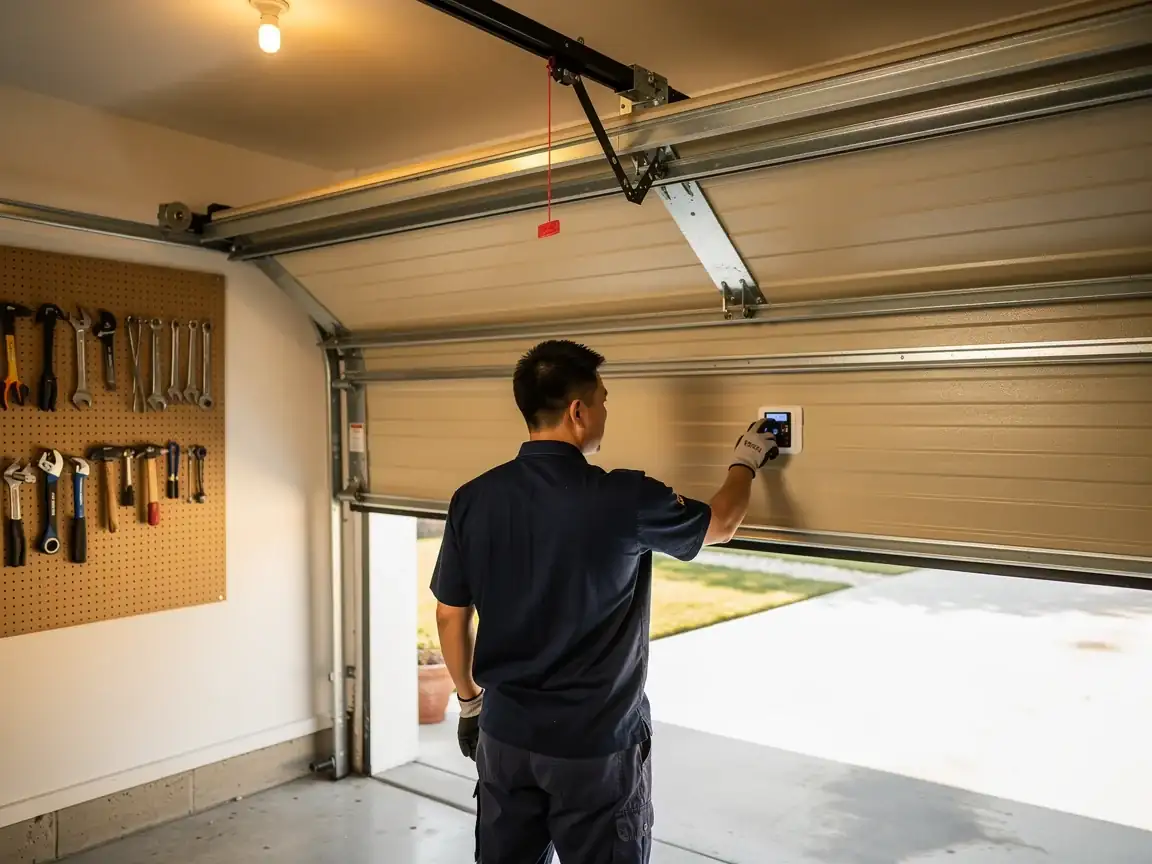
Before you call anyone, check the simple stuff. The two safety sensors near the bottom of the track need to line up exactly - a bump from a stored bike or a lawnmower is usually enough to knock one off in a garage this size, and a misaligned sensor is the single most common reason a newer opener won't close at all. If the wall console has a battery backup light blinking, that's often just a dead backup battery, not a motor problem, and it's a five-minute swap. In a hard freeze, give the door a minute before assuming the opener failed; a belt-drive unit struggling to pull a stiff, cold track can look like a dying motor when it's really just lubricant that hasn't warmed up yet. What you shouldn't do yourself is open the logic board housing or touch the force-adjustment screws without knowing the model's reset sequence - get that wrong and the opener can slam the door down with no resistance, which is a safety issue, not a convenience one.
How it works
From “it’s stuck” to “it’s fixed”
01
Tell us what’s wrong
Describe the symptom - won’t open, loud bang, opener runs but the door won’t move.
02
On-site diagnosis
A technician tests the door under power and by hand and finds what actually failed.
03
Clear, up-front plan
You get the fix that’s needed and what drives the cost - before any work starts.
04
Repaired & tested
The repair is done, the door is set true and tested, and the work area left clean.
Not sure which repair your door needs in Frederick, MD? Describe what it’s doing - every job starts with a diagnosis.
Straight answers about garage door repair in Frederick. Still unsure? Ask us directly.
Why does my opener in Urbana act up more in winter?
Most openers here are belt-drive units installed around 2007, and the service area sits in a cold climate zone with hard winters. Cold rail lubricant stiffens the belt track, which drags the carriage and can look like a failing motor even when the opener itself is fine. It usually loosens up once the garage warms a few degrees.
Is my opener too old to repair?
Not automatically, but once a unit passes roughly 15 years, manufacturers often stop making the exact control board, and we may only be able to source a universal replacement. Given most Urbana openers date to the mid-2000s build boom, we're starting to see that threshold hit now, which is why we always check parts availability before quoting a repair.
Do you have a shop in Urbana?
No. We run out of Frederick, about 8 miles away, and send a truck out for scheduled jobs. We don't keep a local branch or stock depot in Urbana, so we're upfront about that rather than implying a response time we can't back up.
My sensors have a light on but the door still won't close. What's wrong?
A lit sensor doesn't always mean aligned. Check that both units point directly at each other and that nothing - a bike, a bin, stored lumber - breaks the beam partway down. If alignment looks fine and it still won't close, the issue is more likely the logic board reading the signal wrong, which is a repair call.