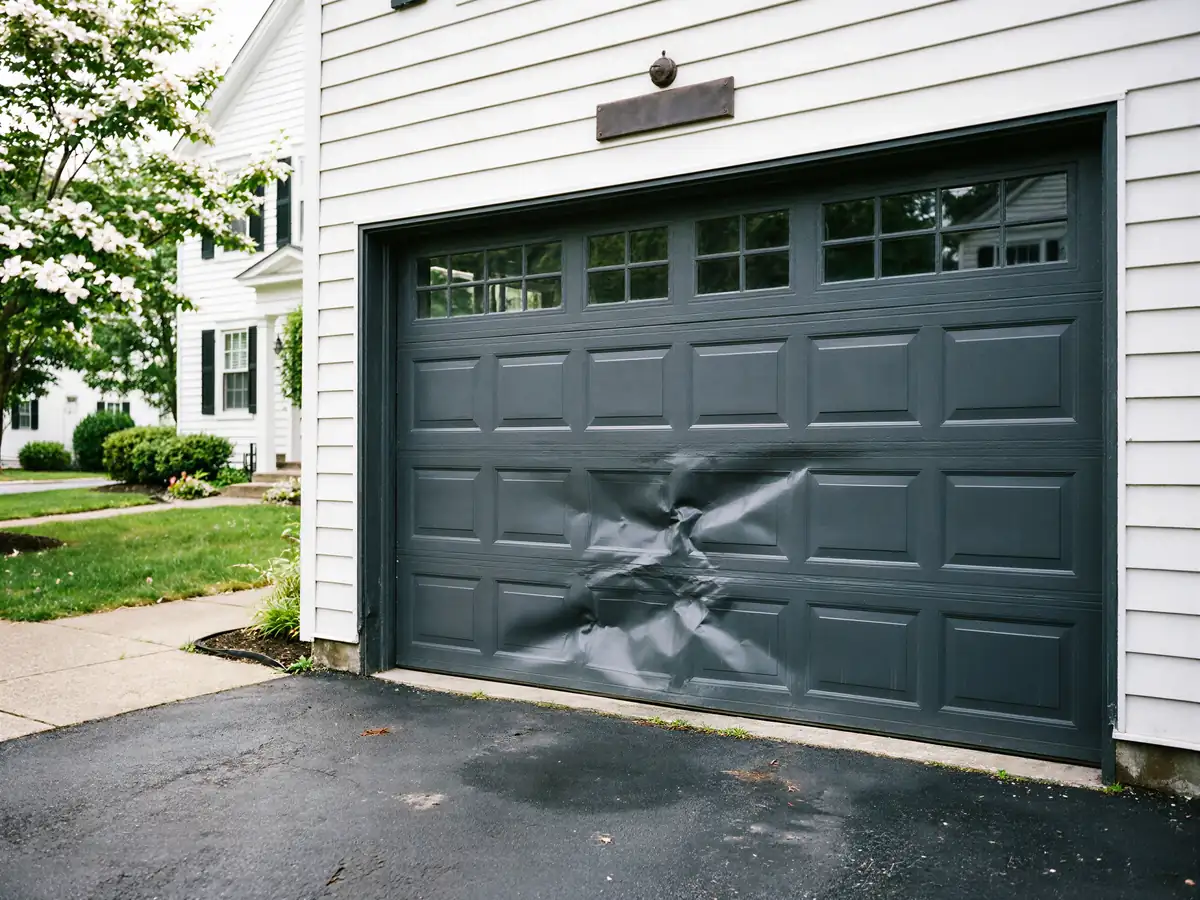
Garage Door Repair for Ballenger Creek's Late-90s Housing Stock
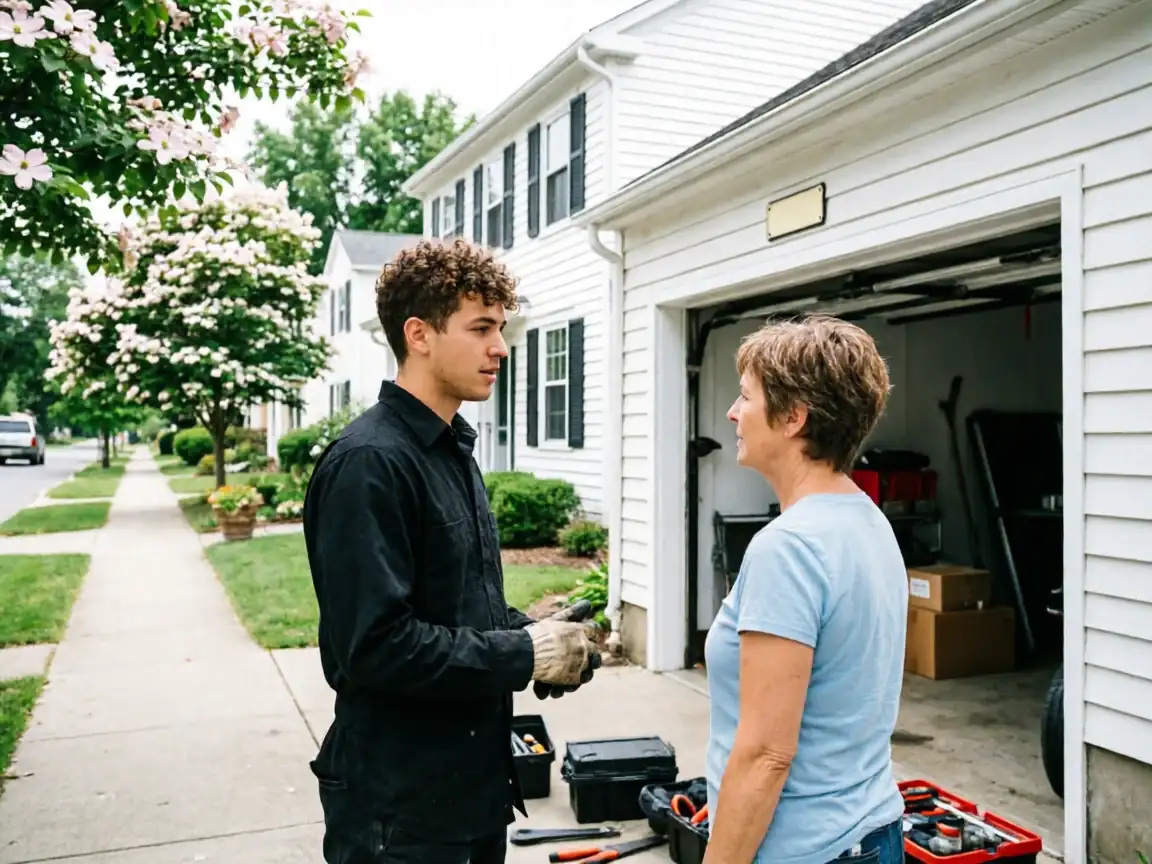
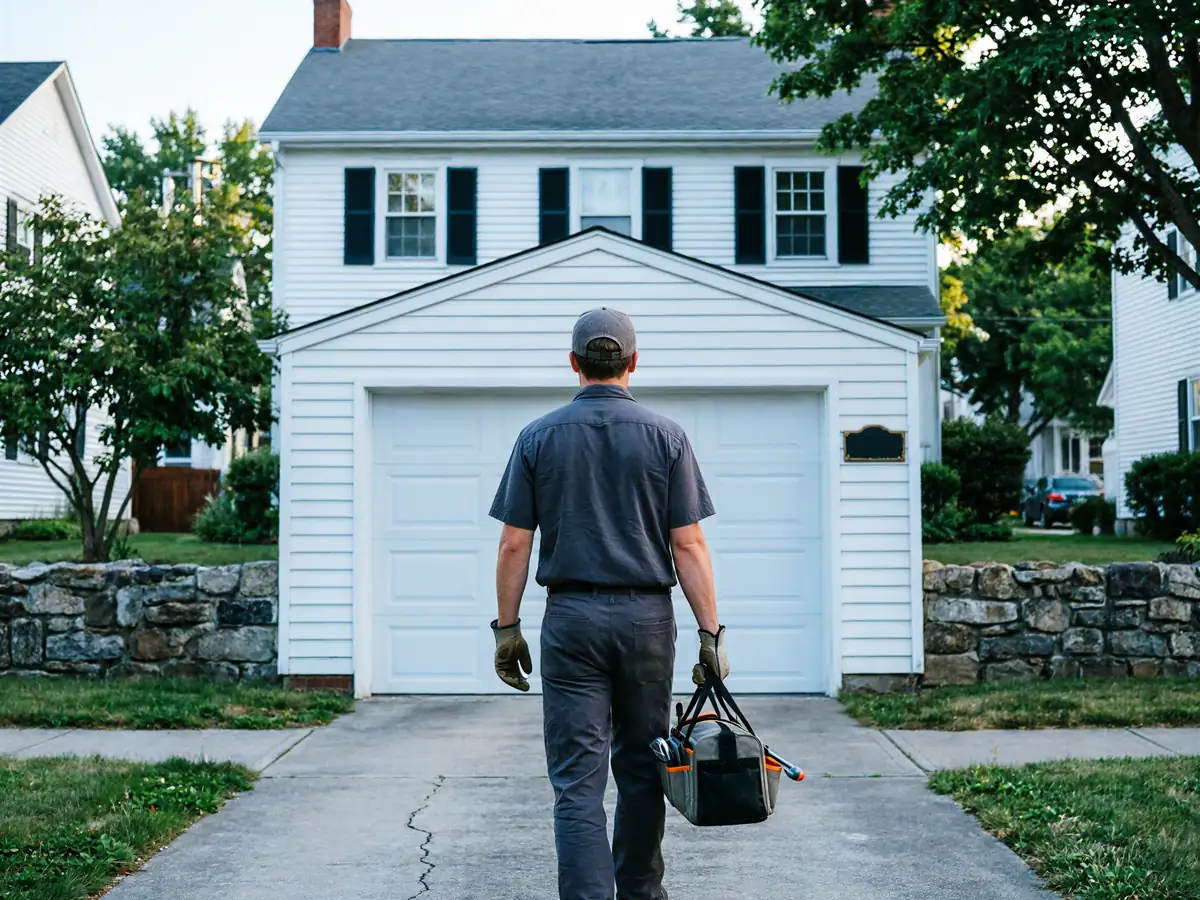
Ballenger Creek homes mostly went up in the late 1990s, which means specific opener and spring setups. We diagnose and fix them, traveling the 4 miles from Frederick.
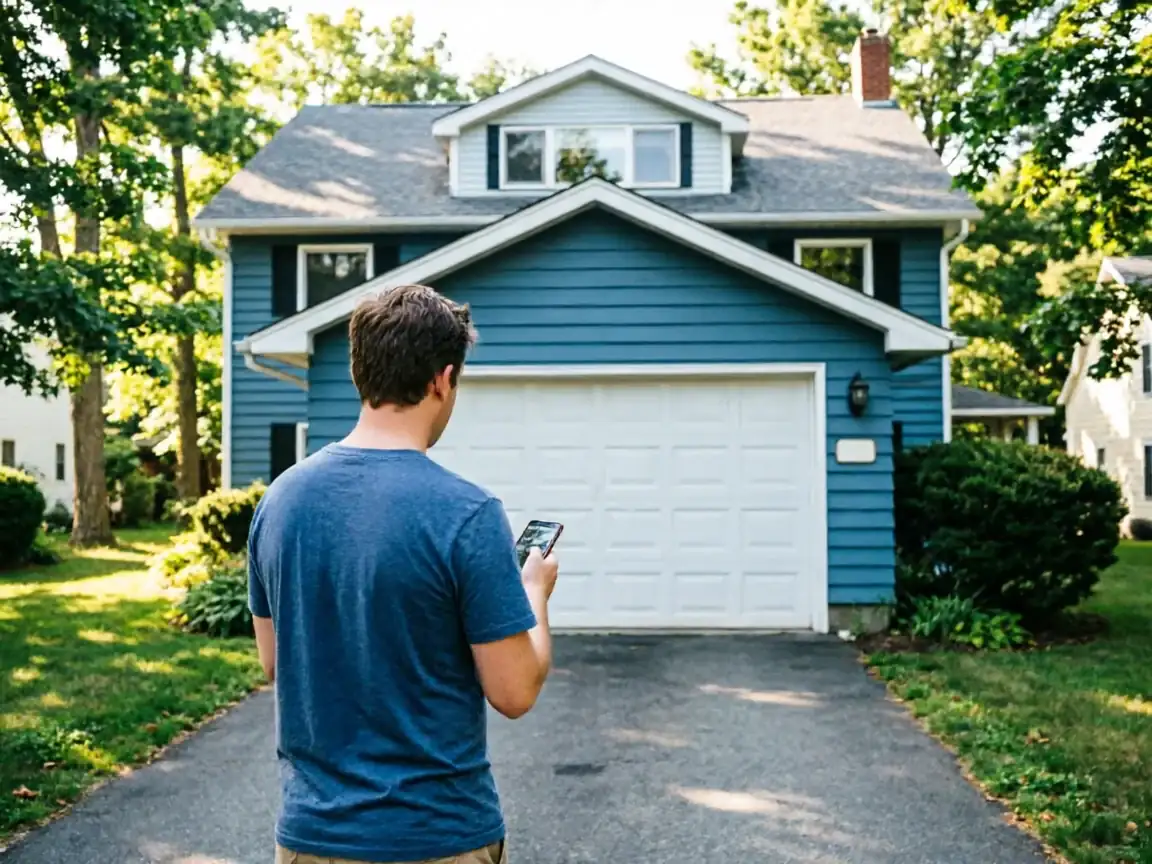
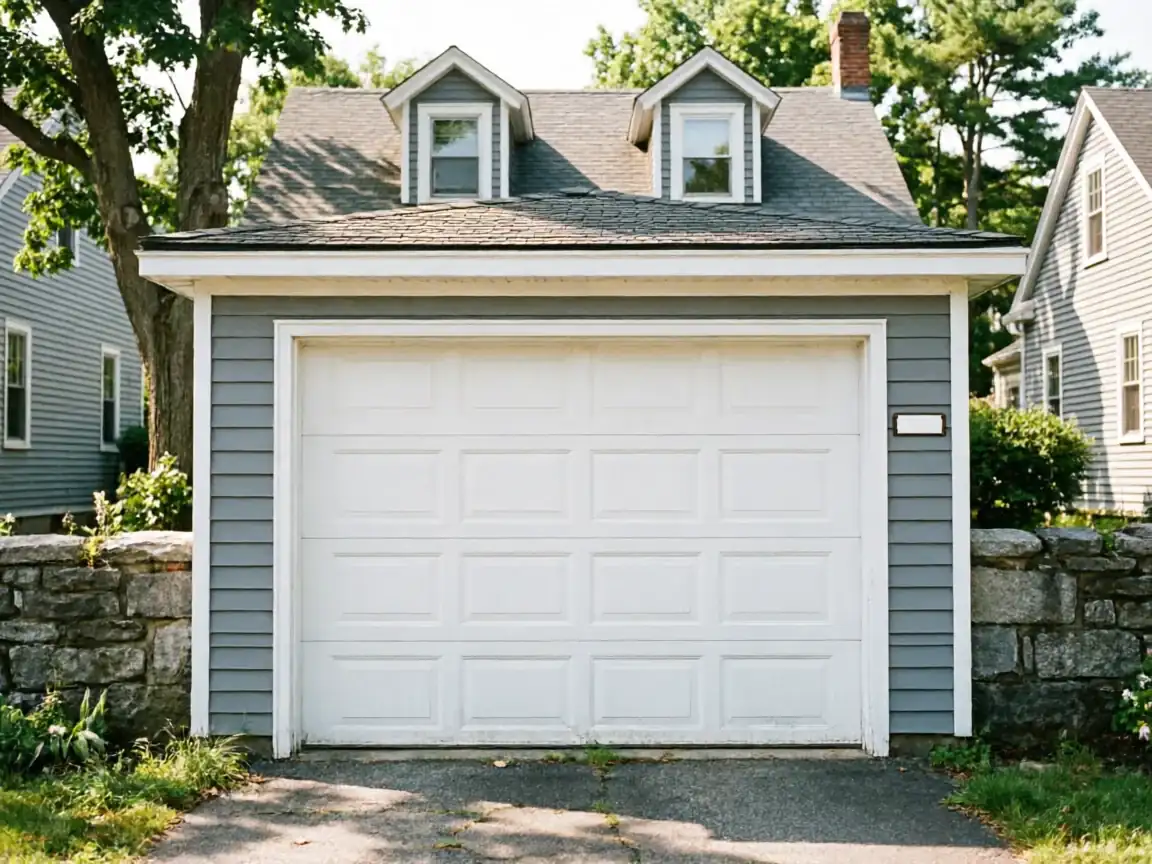
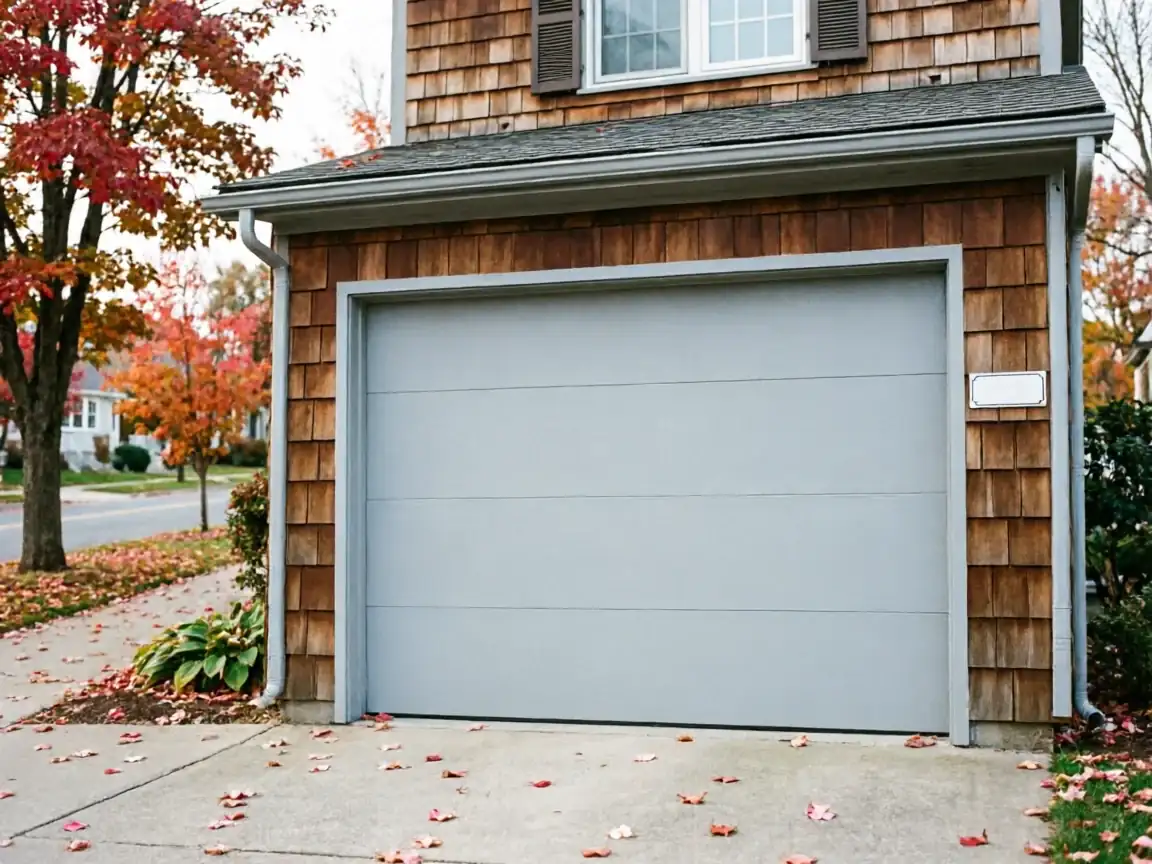
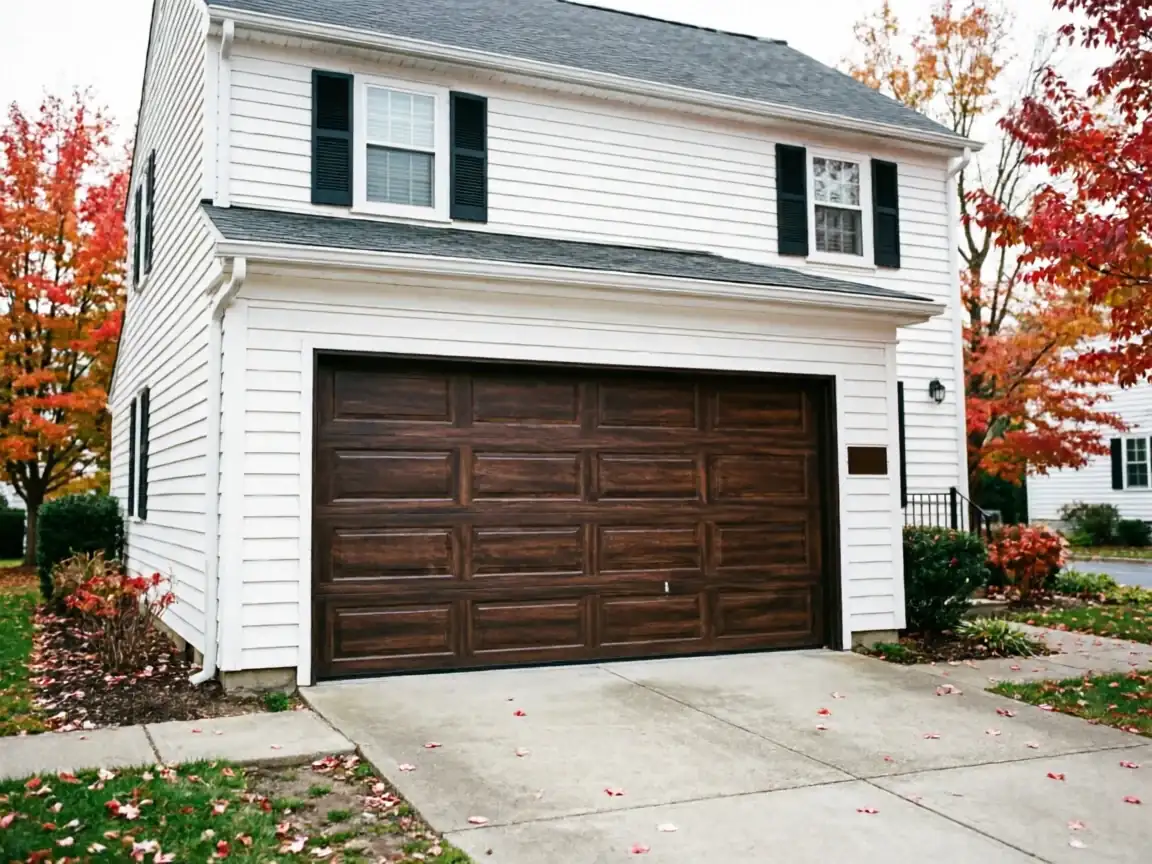
Most garage doors in Ballenger Creek went in around 1998, give or take a few years either side
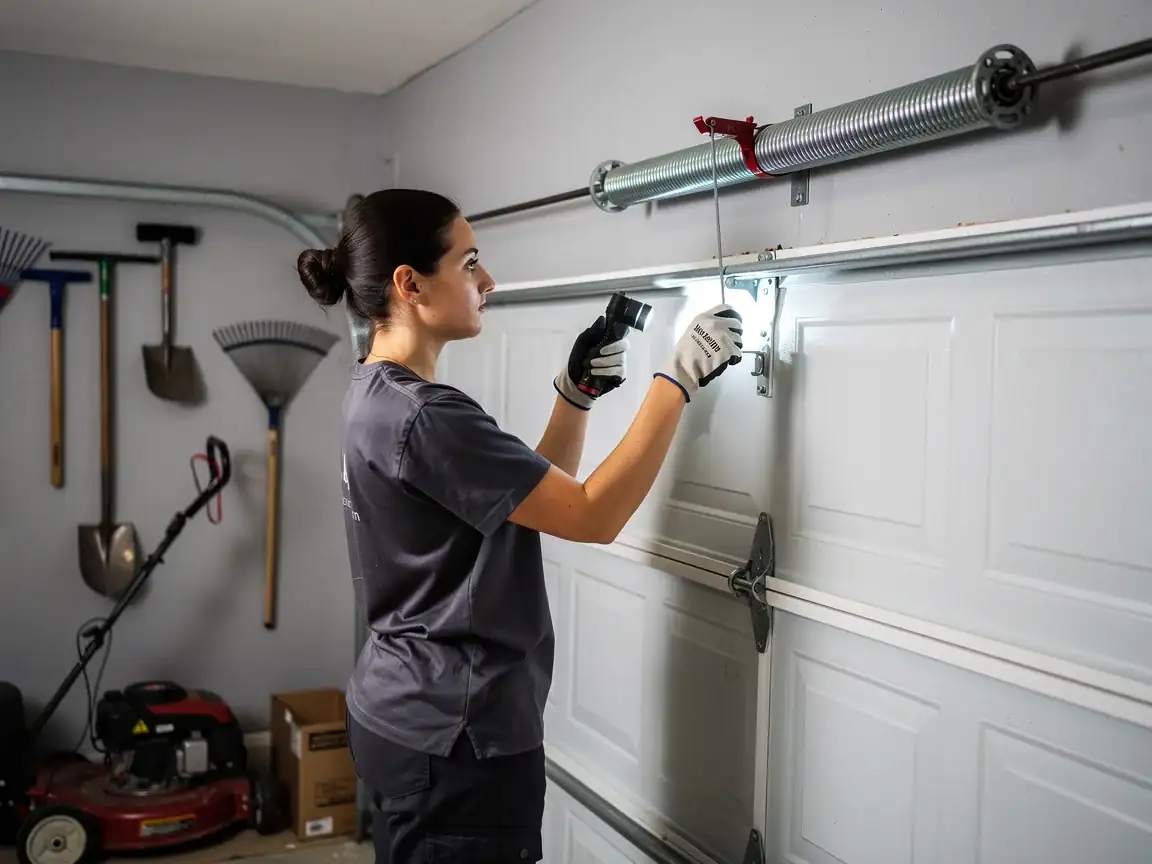
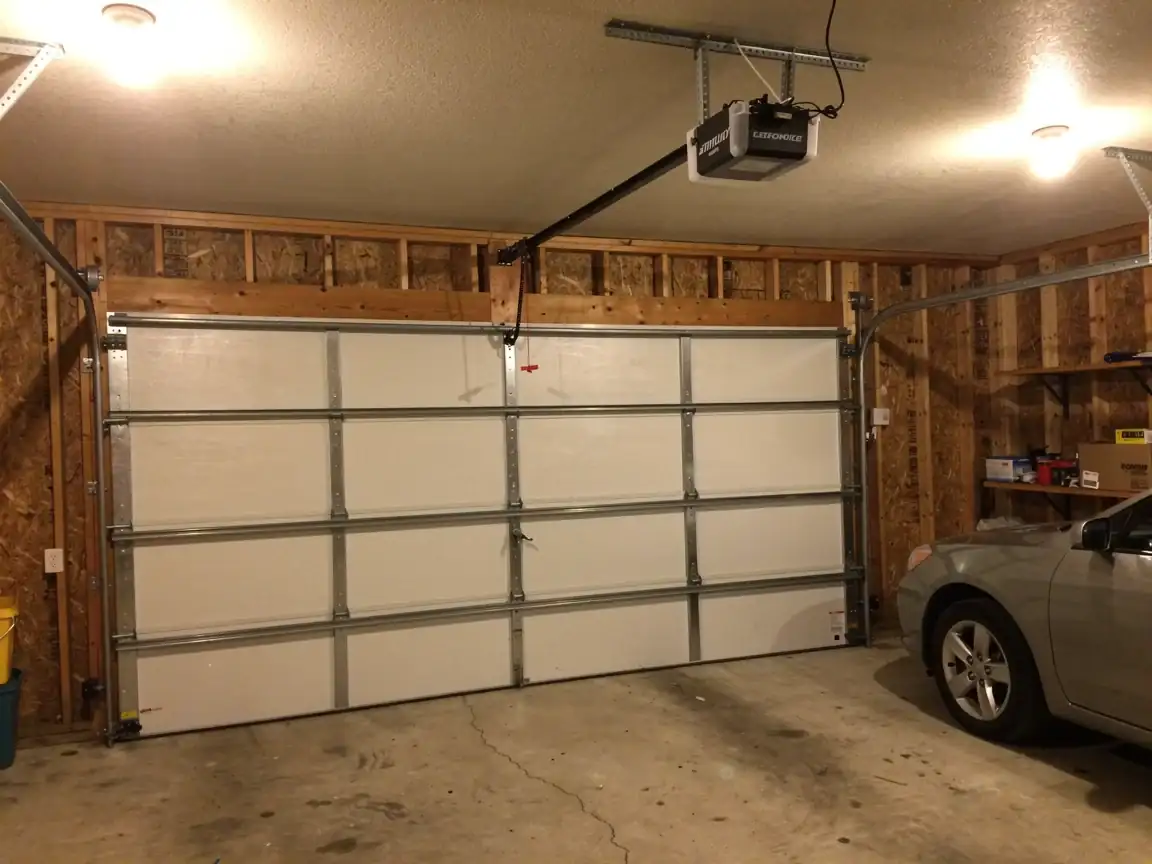
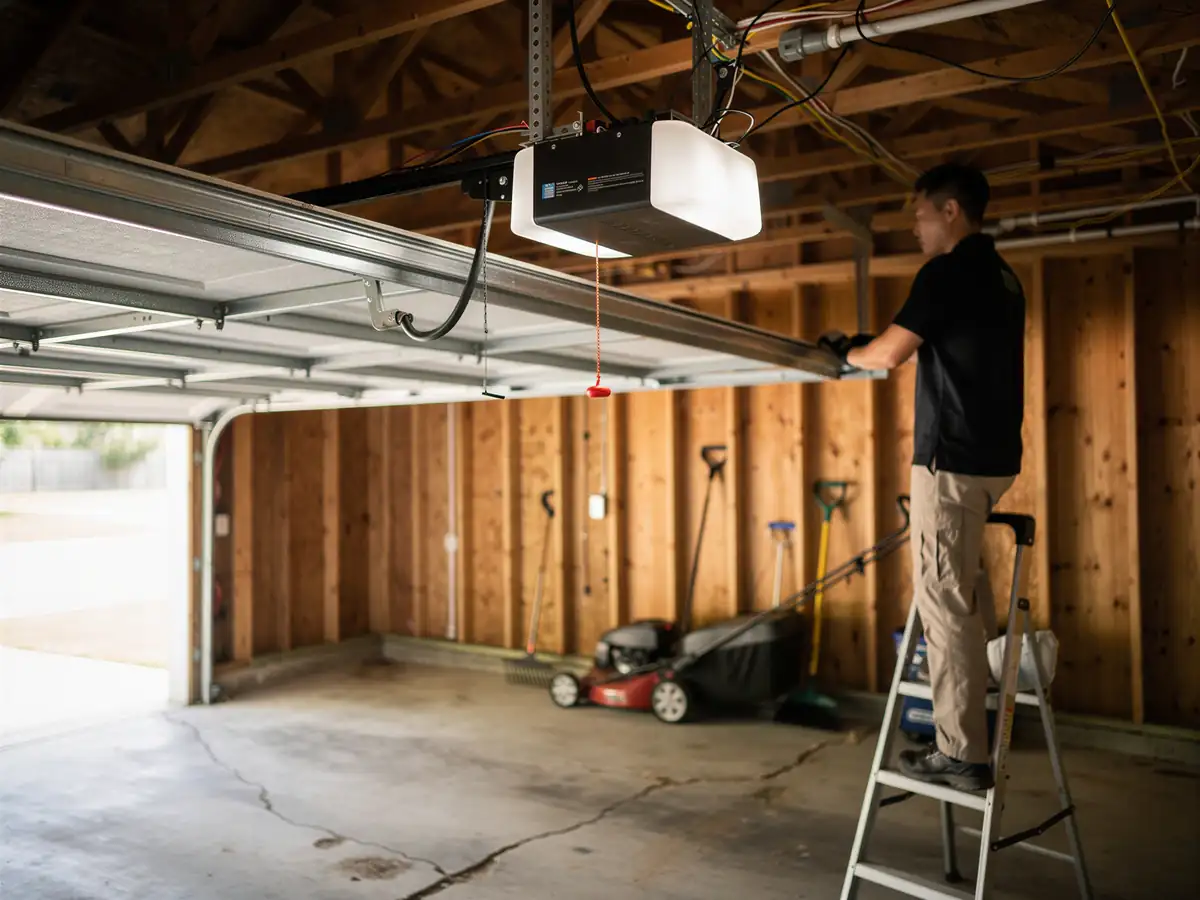
That era is a specific window for residential doors: steel sectional panels, torsion springs mounted on a center shaft rather than the older side-mount extension setup, and chain-drive openers in the 1/3 to 1/2 horsepower range. A lot of those original openers are still running today, which means the capacitors and gears are at the end of their service life even if the door itself looks fine.
02
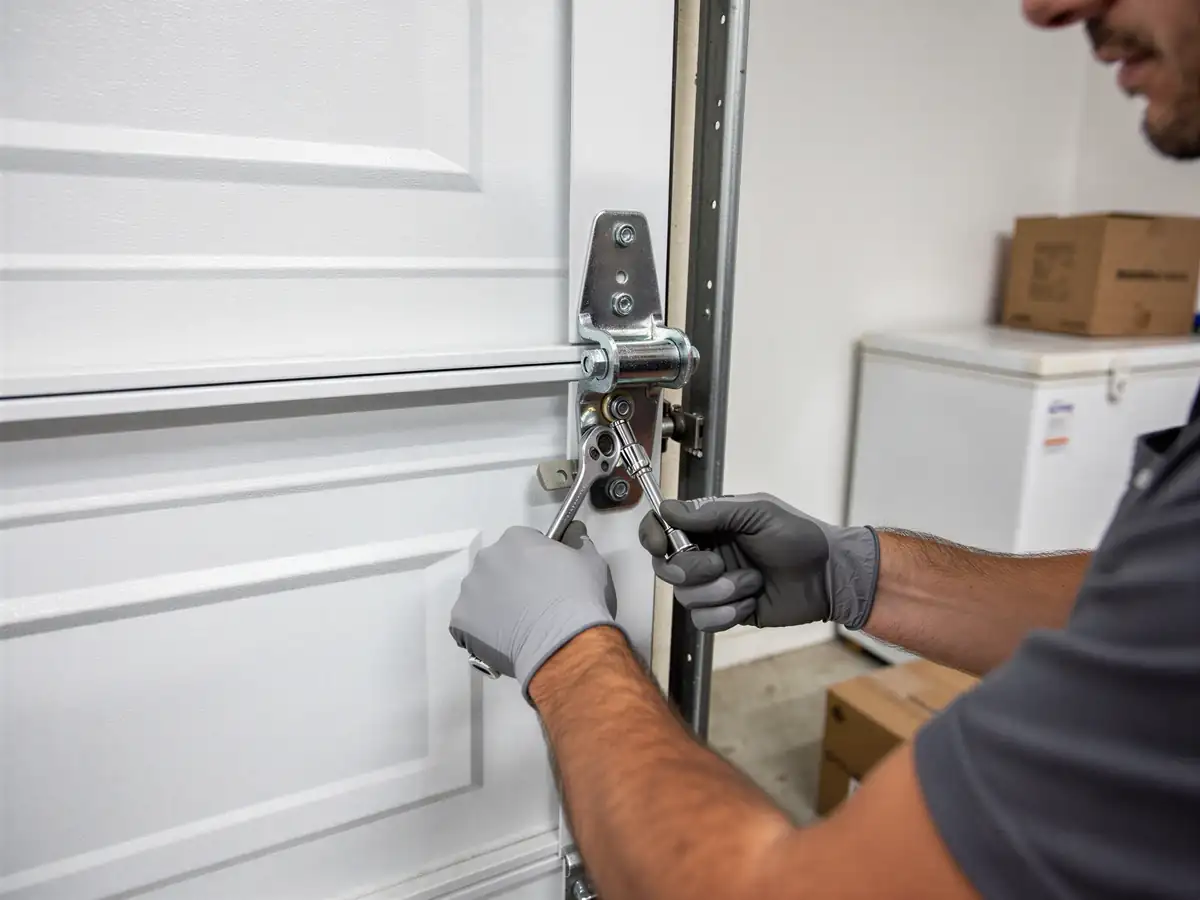
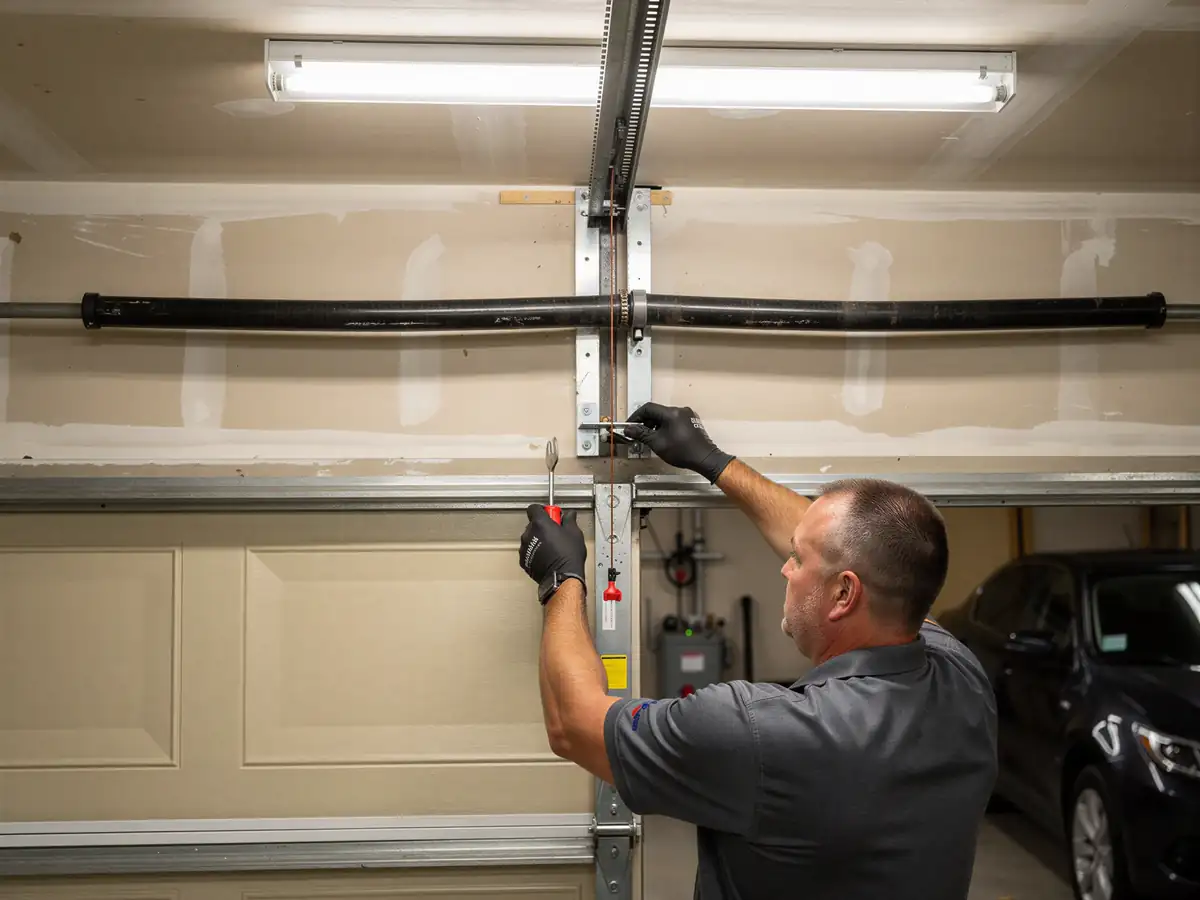
When we get a call out here, we start with the spring and the opener drive before we look at anything else
Because that's what fails first in houses of this age. We check torsion spring wind and wear, test the opener's force settings (which drift over 25+ years and start slamming doors or reversing for no reason), and look at the track alignment, since original installs from that period often used lighter-gauge track than what goes in today. We travel the 4 miles out from Frederick for these calls and bring parts sized for this generation of door rather than guessing on-site.
4 miles
03
We don't replace a whole system when a spring or a gear kit will do the job
If the door and opener are original to a 1998 build and still sound mechanically, repair is usually the right call.
How Long It Takes
A torsion spring replacement or opener gear kit on a door from this era is usually a single visit. We're not quoting a response window for Ballenger Creek specifically since the crew comes from Frederick, but the repair work itself, once we're on site, moves quickly because the hardware from 1998-era installs is well documented and parts are easy to match.
What takes longer is when the original opener is a discontinued model and we need a part that isn't a standard stock item. That's rarer with springs and cables, which are closer to universal, but it does happen with proprietary opener logic boards from the late 1990s. We'll tell you up front if that's the situation rather than stringing out a repair that should just be a replacement.
Doing It Yourself
If your door is from the late 1990s and a torsion spring just let go, do not try to unwind or rewind it yourself. These springs hold enough tension to break fingers or worse, and the winding bars needed are not something most households own. Cable work is the same story: a frayed cable under spring tension is not a DIY fix.
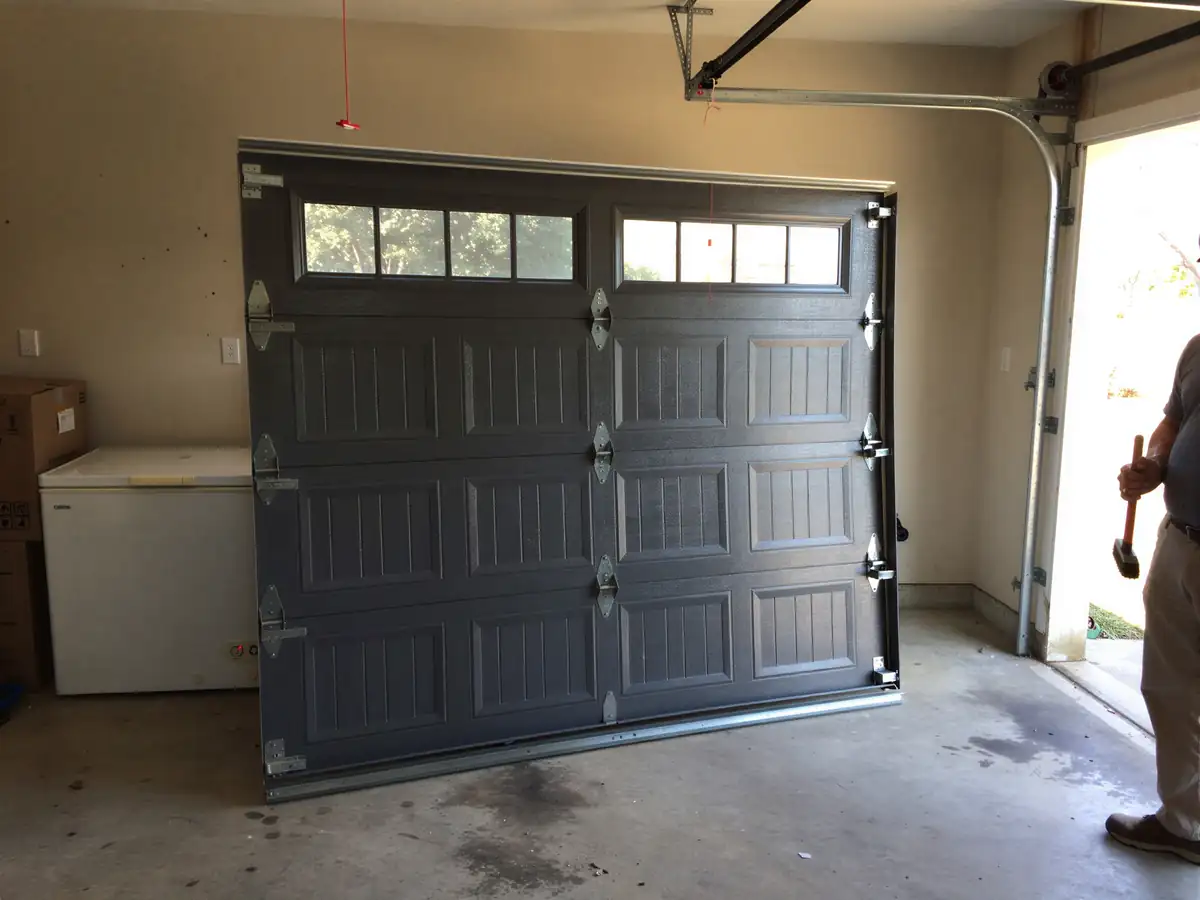
What you can safely check yourself: the opener's photo-eye sensors (dirt or misalignment is a common cause of a door that won't close), the weatherstripping along the bottom panel (original 1998 stock often used a thinner seal that cracks with age and cold), and whether the door is binding on the track from a loose bracket. Cold winters here mean a stiff or slow-closing door is often just old lubricant that's gone thick, not a mechanical failure. A can of the right lubricant on rollers and hinges solves more of these calls than people expect.
Where This Job Goes Sideways
01
The most common mistake we see on doors from this build era is someone replacing a broken spring with a mismatched one bought off a shelf
Not matched to the door's weight and wind. A door that's hard to lift by hand, or one that slams down instead of lowering evenly, usually traces back to a spring that was swapped once before without matching the original torque. We re-measure rather than assume the spring currently on the door is correct.
02
The second failure point is the opener's force and limit settings after a spring swap
If those aren't reset to match the new spring tension, the opener will either strain the motor or reverse the door unpredictably, and in a cold winter that strain shows up faster. We've also seen original 1998 track brackets pull loose from framing that's shifted slightly over 25+ years, which looks like a track problem but is really a fastening problem.
Parts We Carry
We stock torsion springs sized for the standard residential door weights common to houses built in the late 1990s, along with matching end bearings and center brackets. We carry rollers, cables, and hinges that fit the steel sectional doors typical of that construction period, plus the force-sensor and logic board parts for the chain-drive opener models that were standard installs around 1998.
We do not stock every proprietary opener board for less common brands from that era, and if your opener is a discontinued model we may need to order that specific part rather than carry it on the truck. We'll tell you that at diagnosis, not after we've already started the job.
How it works
From “it’s stuck” to “it’s fixed”
01
Tell us what’s wrong
Describe the symptom - won’t open, loud bang, opener runs but the door won’t move.
02
On-site diagnosis
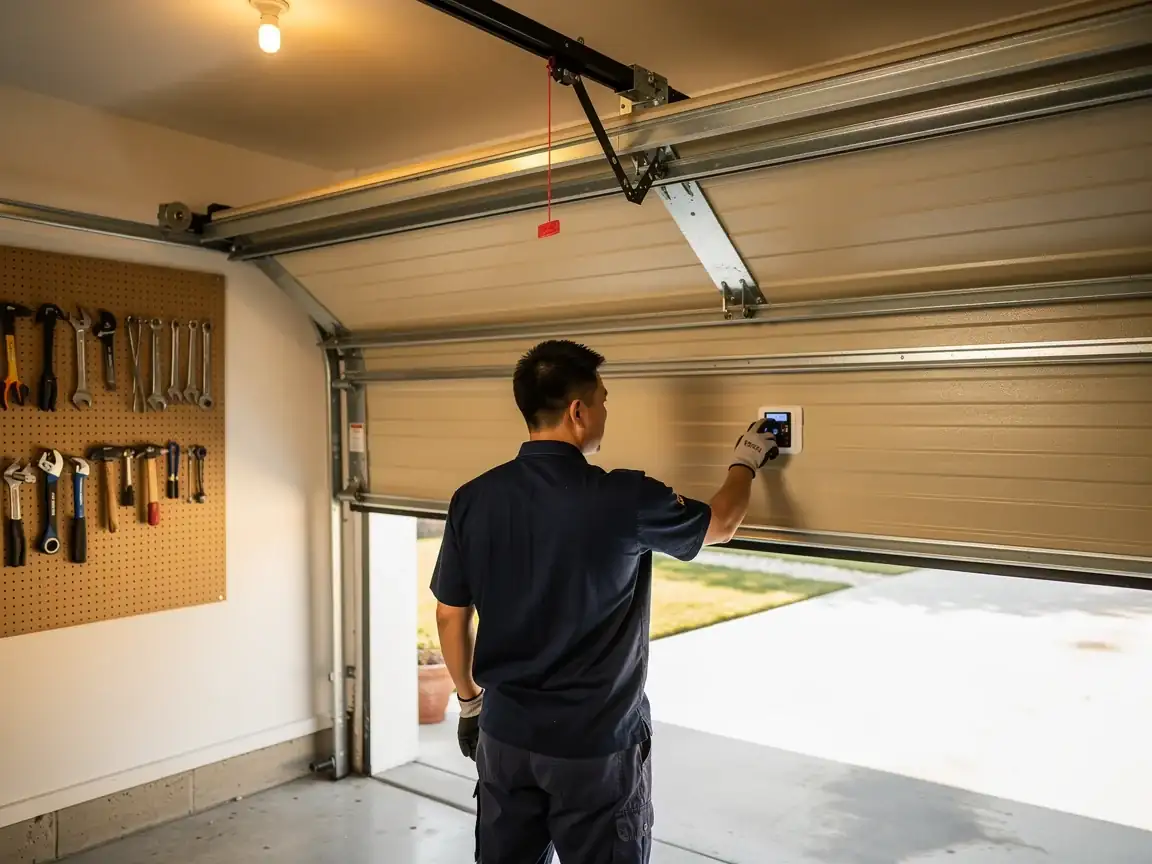
A technician tests the door under power and by hand and finds what actually failed.
03
Clear, up-front plan
You get the fix that’s needed and what drives the cost - before any work starts.
04
Repaired & tested
The repair is done, the door is set true and tested, and the work area left clean.
Not sure which repair your door needs in Frederick, MD? Describe what it’s doing - every job starts with a diagnosis.
Straight answers about garage door repair in Frederick. Still unsure? Ask us directly.
Why does my garage door from the late 1990s need new springs now?
Torsion springs are rated for a cycle count, typically somewhere around 10,000 open-close cycles. A door installed around 1998 that's used daily has likely hit or passed that number by now. The spring doesn't wear out gradually in a way you can see; it just breaks, usually on a cold morning when the steel is stiffer.
Do you have a depot in Ballenger Creek?
No. We're based in Frederick and travel the roughly 4 miles out to Ballenger Creek for calls. There's no local branch here, just a short drive from our shop.
Is my opener too old to repair?
If it's a chain-drive unit original to a late-1990s install, parts like gears, sprockets, and sensors are usually available. Logic boards for discontinued models are the exception; those sometimes require full opener replacement instead of a repair.
Does the cold affect garage doors in this area?
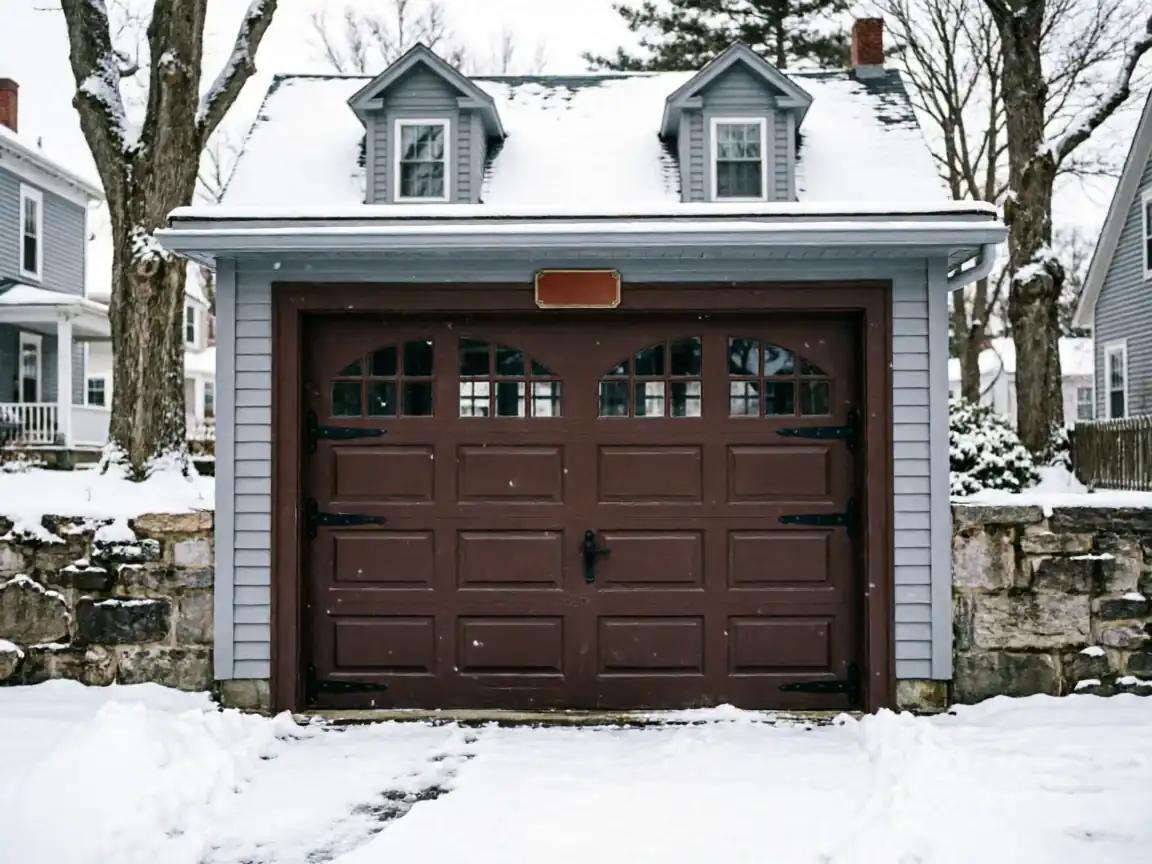
Yes. This region sits in a cold climate band with real winter severity, and lubricant thickening, seal cracking, and spring brittleness all show up more in January than in July. A door that's sluggish in cold weather is often a maintenance fix, not a replacement.