
How far is Ballenger Creek from your shop in Frederick
About four miles. That's close enough that we can usually bring the parts for a same-day repair rather than needing a second trip to pick up something we didn't expect to need.
Garage door repair and tune-ups for Ballenger Creek homes built mostly after 1990. We drive the 4 miles from Frederick with parts matched to newer torsion hardware.
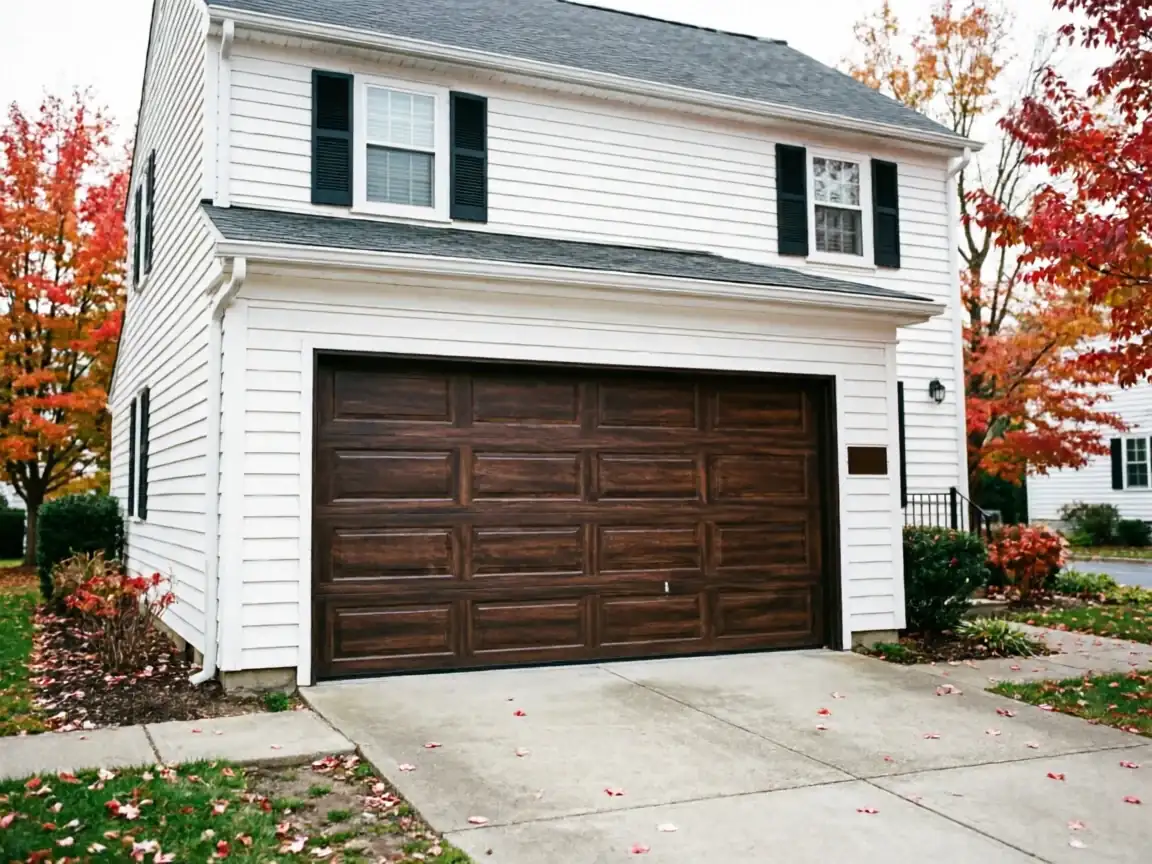
Close enough that a diagnosis call and a parts-matched repair usually happen on the same trip instead of two. That matters here more than it would somewhere farther out, because we can bring the right spring size or opener board with us rather than guessing and coming back.
Well inside the newer end of the county's 1938-2015 build range. That means we're mostly dealing with pre-wound torsion springs on standard brackets, steel rollers, and openers from the chain-drive or early screw-drive generation rather than the older side-mounted extension setups you still find in the county's oldest pockets. We check the spring wind and cable condition first, then the opener's force settings, since houses of this era are the ones most likely to have a factory opener still running on its original logic board.
A door that looks fine empty can bind the second it's carrying real weight, and that's usually where the actual fault lives.
A straightforward spring or cable job on a door from this era runs about what you'd expect for standard torsion hardware - we're not fighting the odd bracket spacing or obsolete track width that shows up on homes built before the 1970s. The four-mile drive from Frederick adds a predictable chunk of travel time to the front and back of the job, not the repair itself.
Where it slows down is parts we don't carry on the truck - certain opener logic boards, specific panel colors, or anything tied to a less common brand. If that's the case we'll tell you on the spot instead of guessing, and we'll give you a real number once we know what's on order.
Lubricating hinges and rollers, tightening loose bolts on the track brackets, and testing the auto-reverse safety feature are all reasonable for a homeowner to do on a door from this period - the hardware is standard enough that there's nothing unusual to trip over. Keep your hands off the torsion spring itself. On a door built to 1990s-era torsion specs, the spring is still wound to the same tension as any other, and that tension is what causes the injuries we see.
If your opener keeps reversing or won't close all the way, check the sensor eyes near the floor first - a stray cobweb or a slightly knocked-out-of-alignment bracket causes more false alarms than any actual mechanical fault. That's a five-minute fix most people can do themselves before calling anyone out.
It's a mismatch between an opener installed by a previous owner and the door it's attached to. Builders in the late '90s and 2000s frequently put in a mid-grade chain-drive opener matched to a standard door weight, and then a later owner swaps in a heavier insulated panel door without upgrading the spring or the opener's lift capacity. The opener strains, the gears wear fast, and it looks like an opener problem when the real fix is matching the spring to the new door weight.
The plastic gets brittle and cracks rather than wearing down gradually, so a roller that was fine in October can shatter in January.
We stock torsion springs sized for standard residential doors, which covers the bulk of what's out on homes built from the late 1980s through the 2000s in this area. Steel ball-bearing rollers, standard-width track sections, and cables in common lengths are also on the truck, since those are the parts that fail most often on hardware of this age.
What we don't carry on the truck: specialty opener logic boards for less common brands, and custom panel colors or insulation packages that have to come from a distributor. If your job needs one of those, we'll order it and give you a timeline rather than make you wait around guessing.

Describe the symptom - won’t open, loud bang, opener runs but the door won’t move.
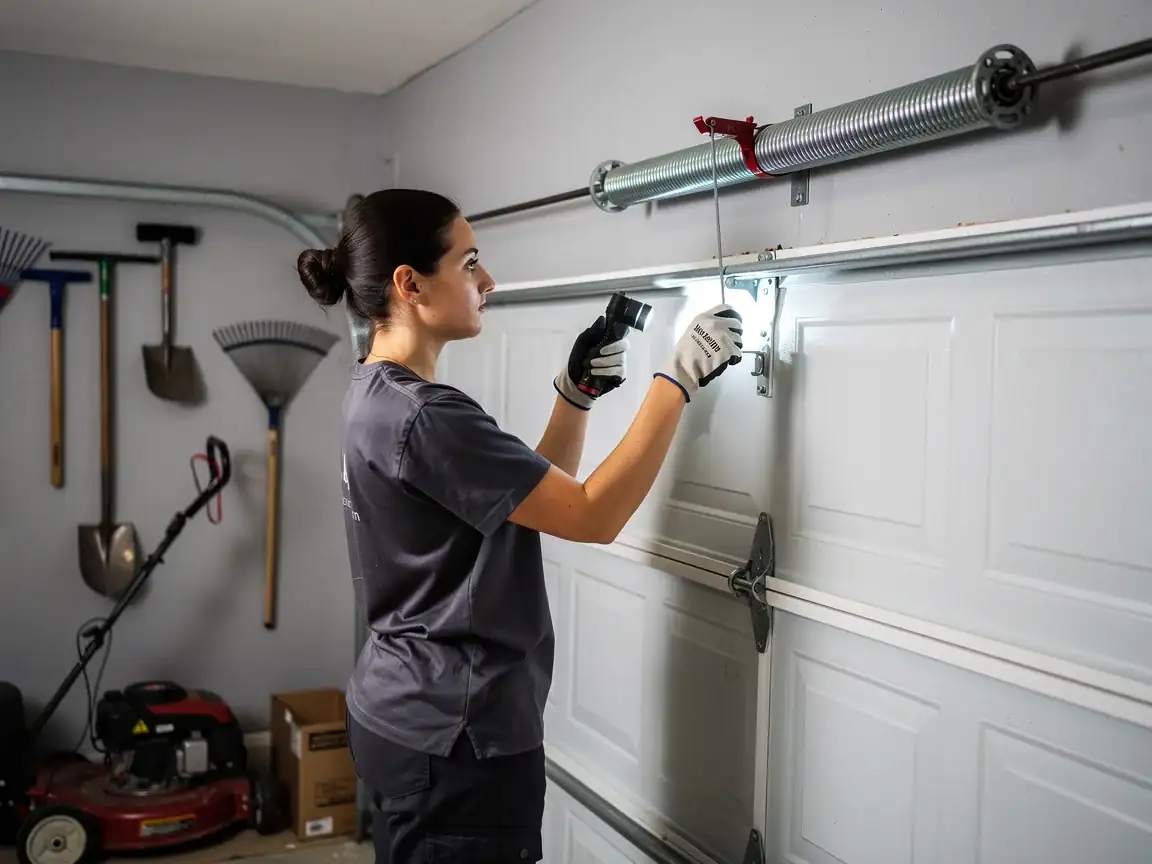
A technician tests the door under power and by hand and finds what actually failed.
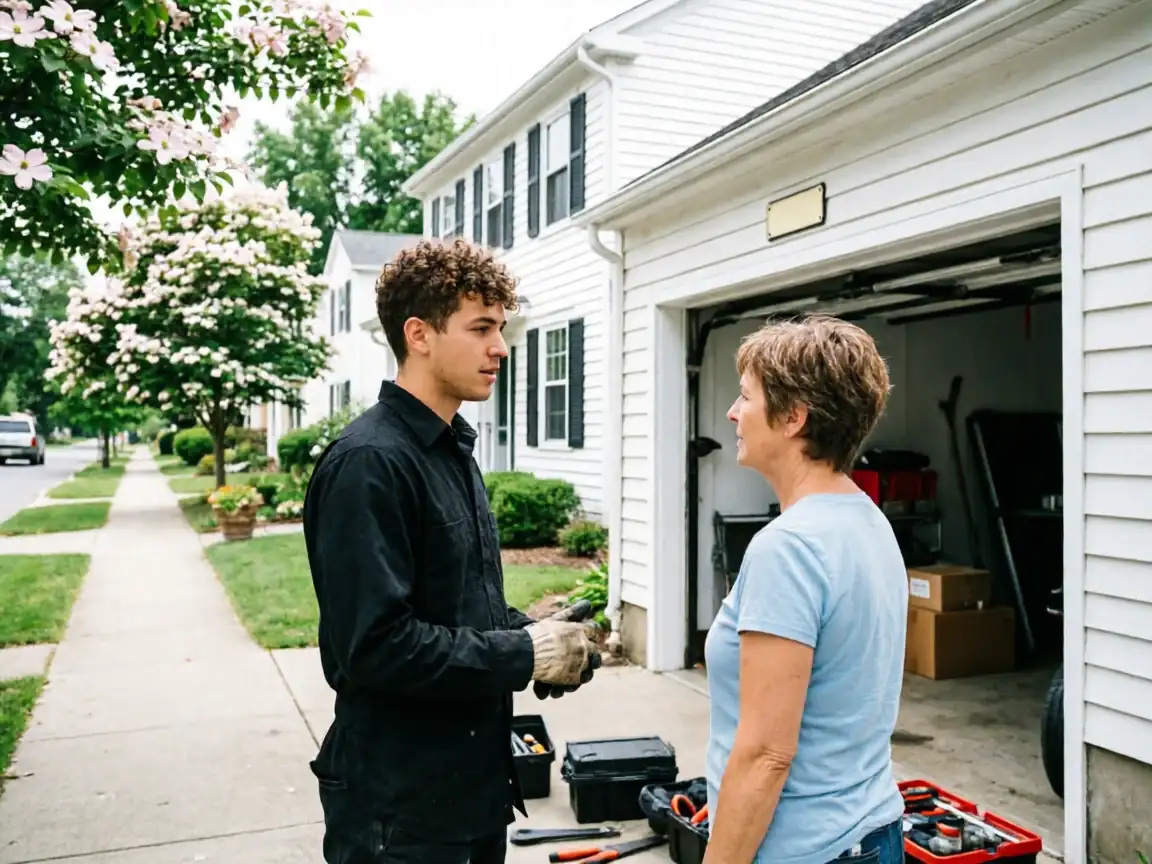
You get the fix that’s needed and what drives the cost - before any work starts.
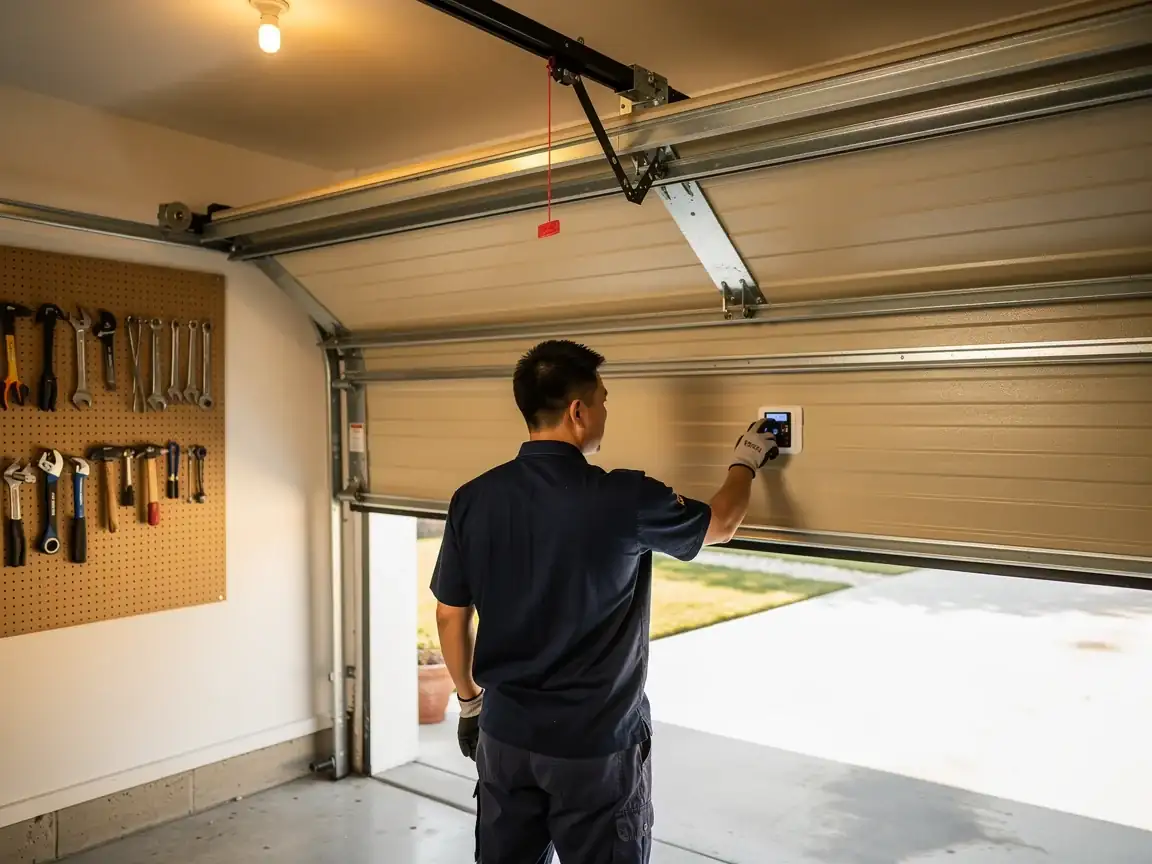
The repair is done, the door is set true and tested, and the work area left clean.
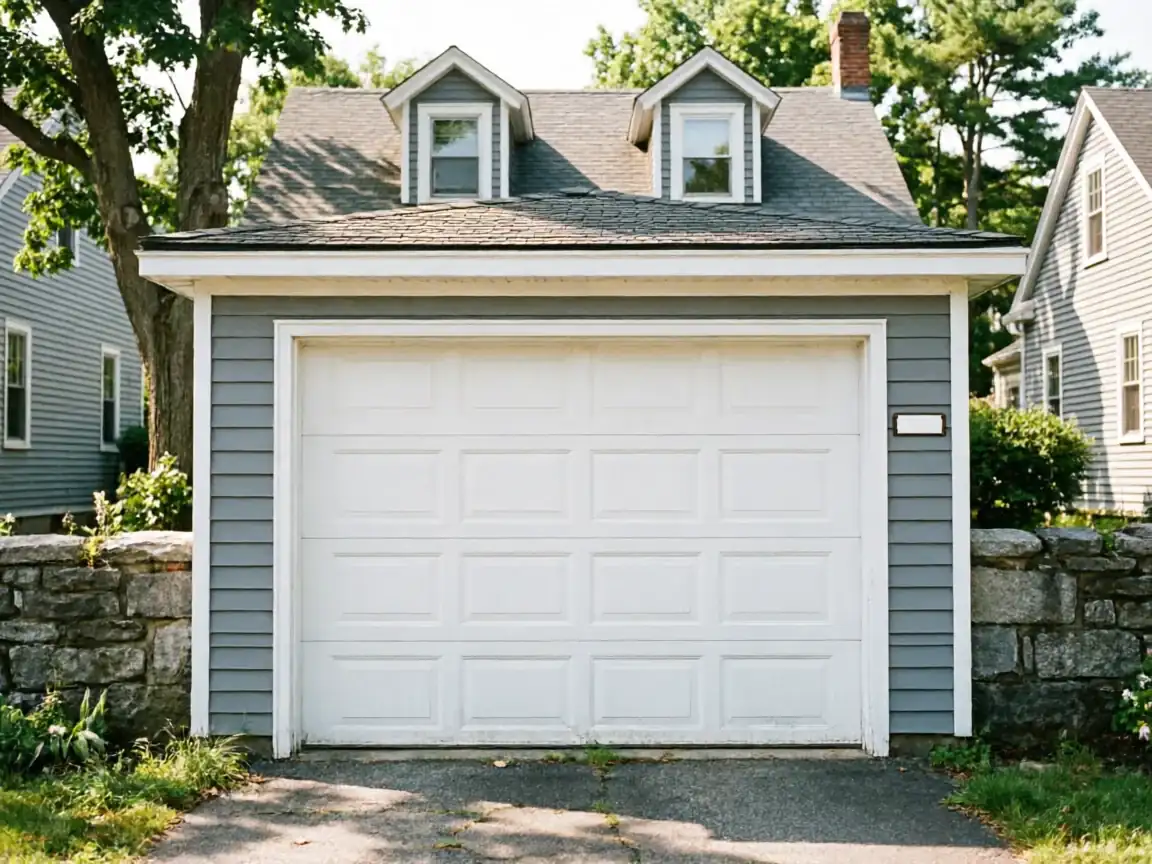
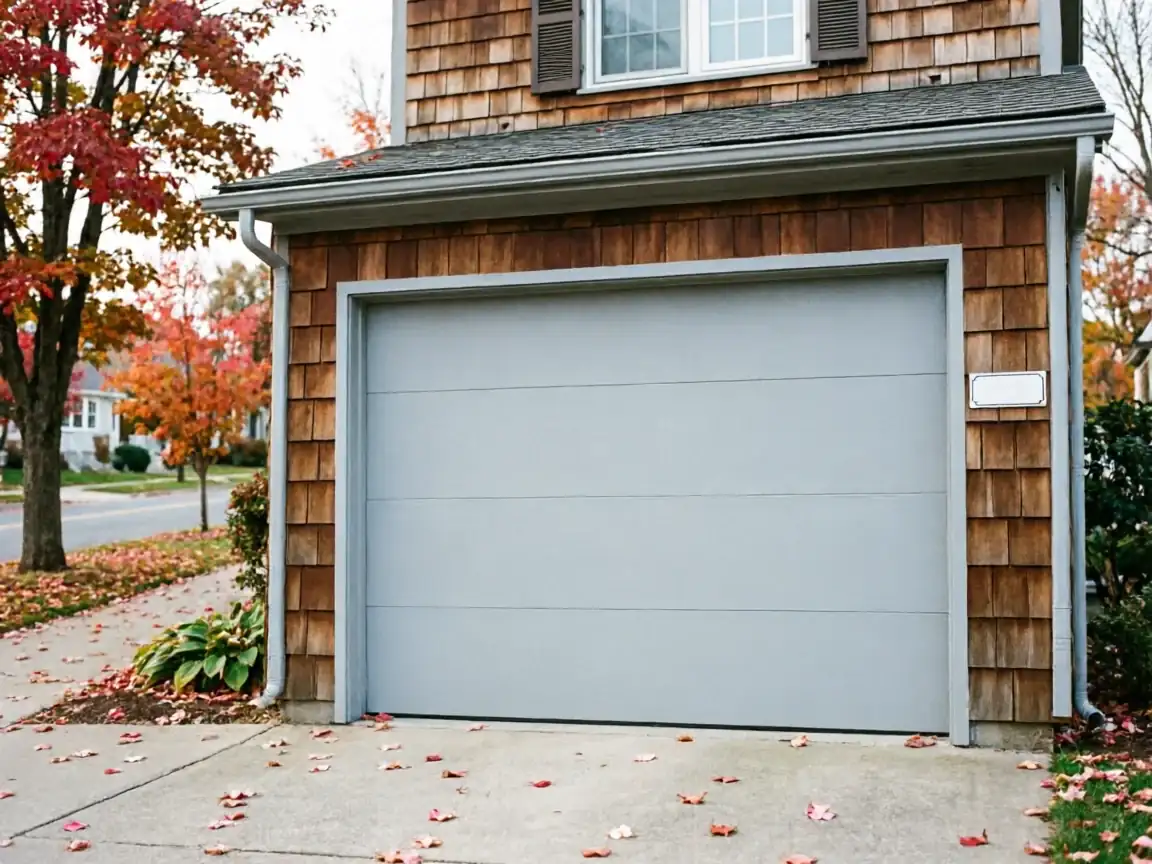
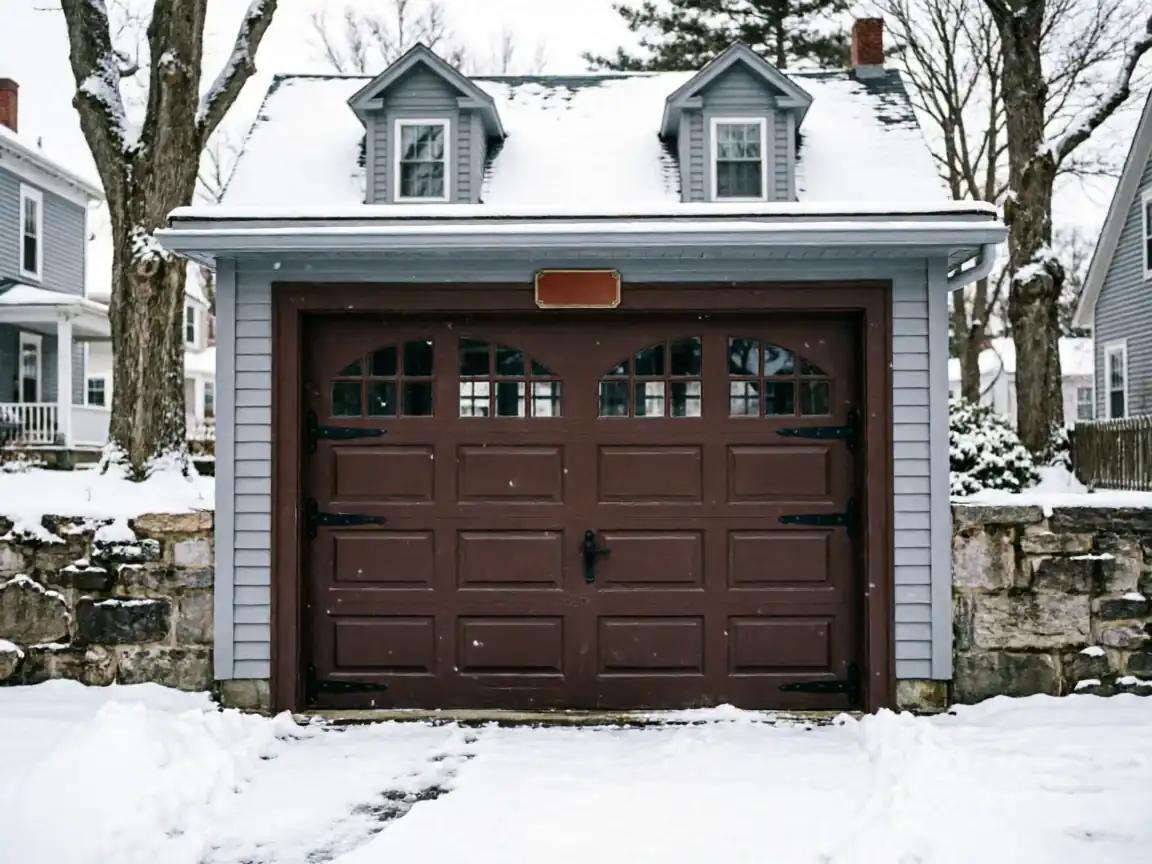
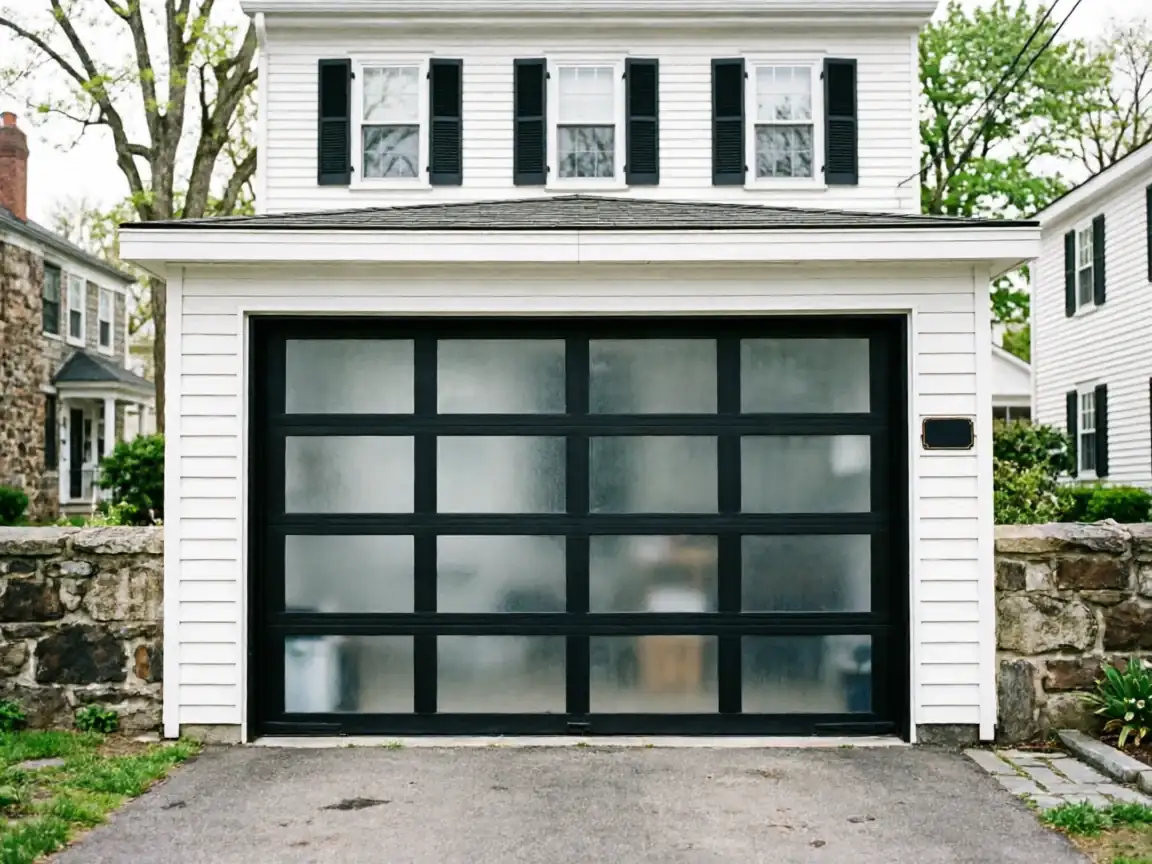
Illustrative styles - sectional, insulated steel, carriage, and commercial doors.
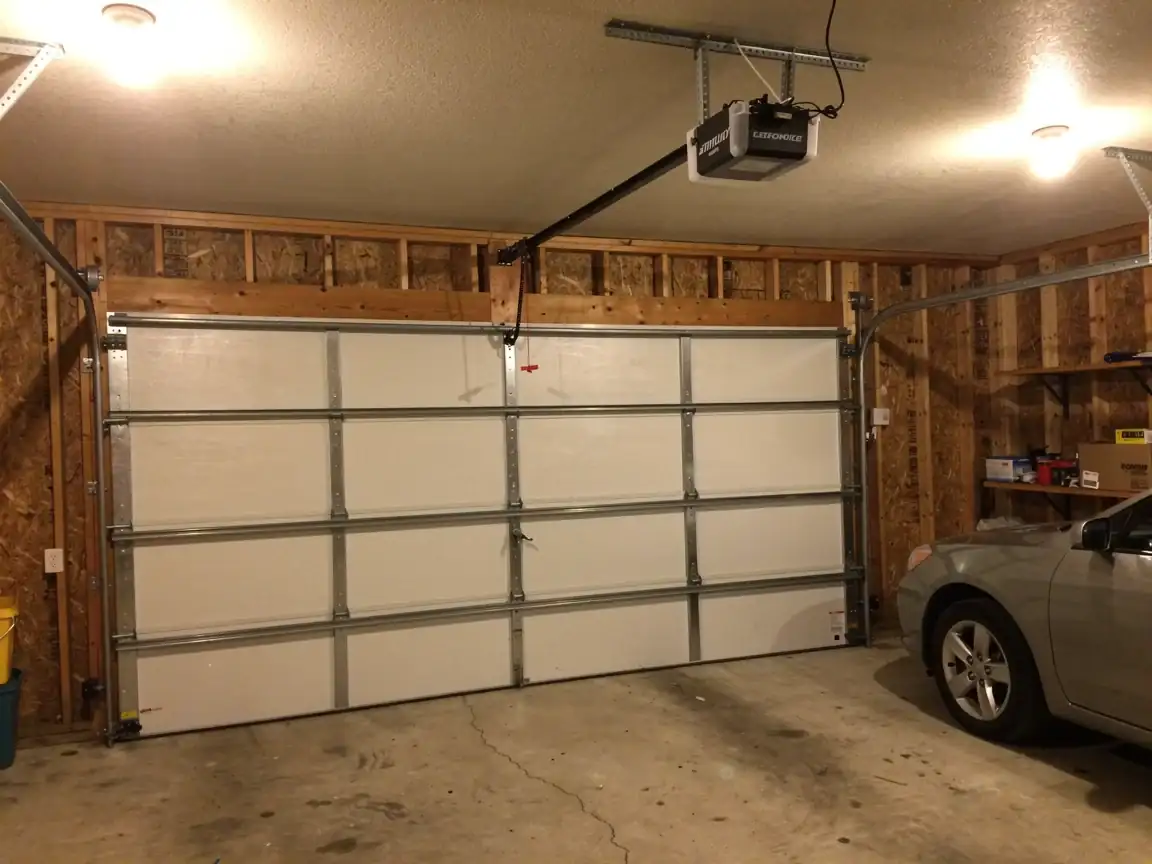
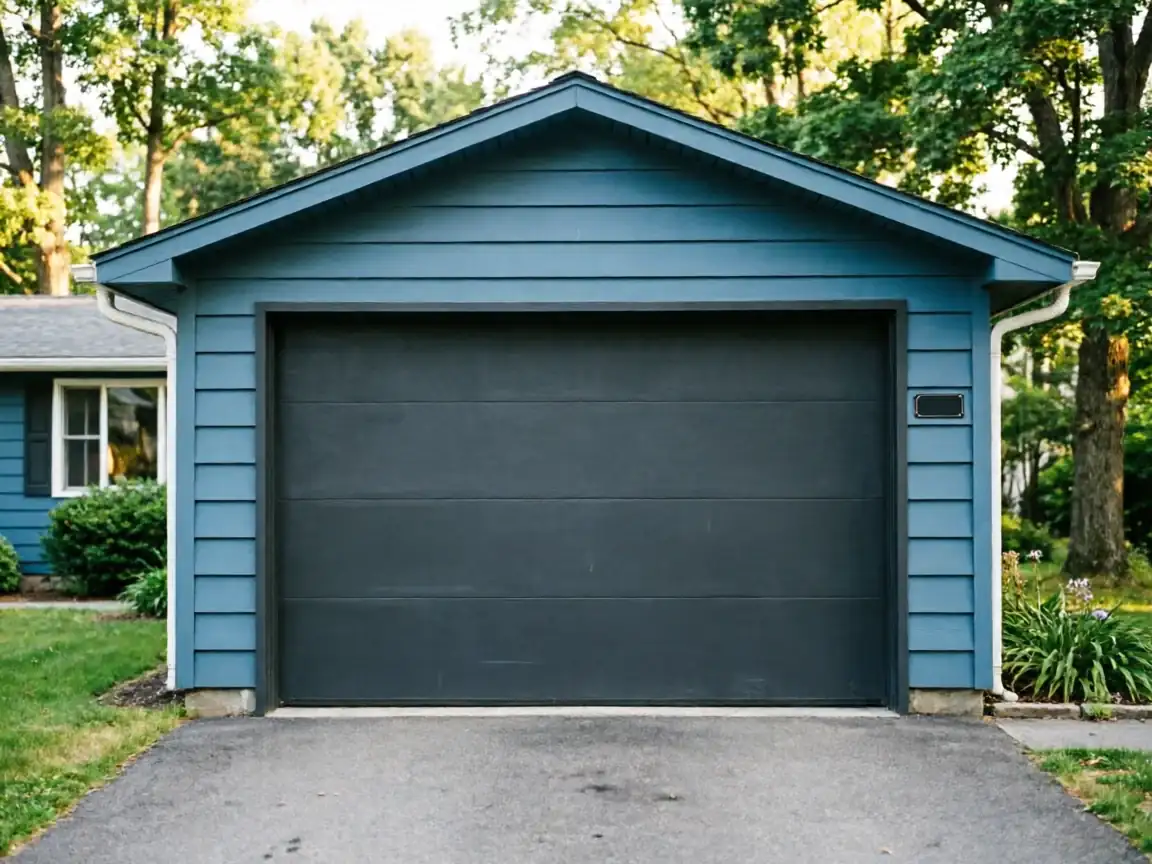
Other work we do for Ballenger Creek homes - each page covers that job for Ballenger Creek specifically.
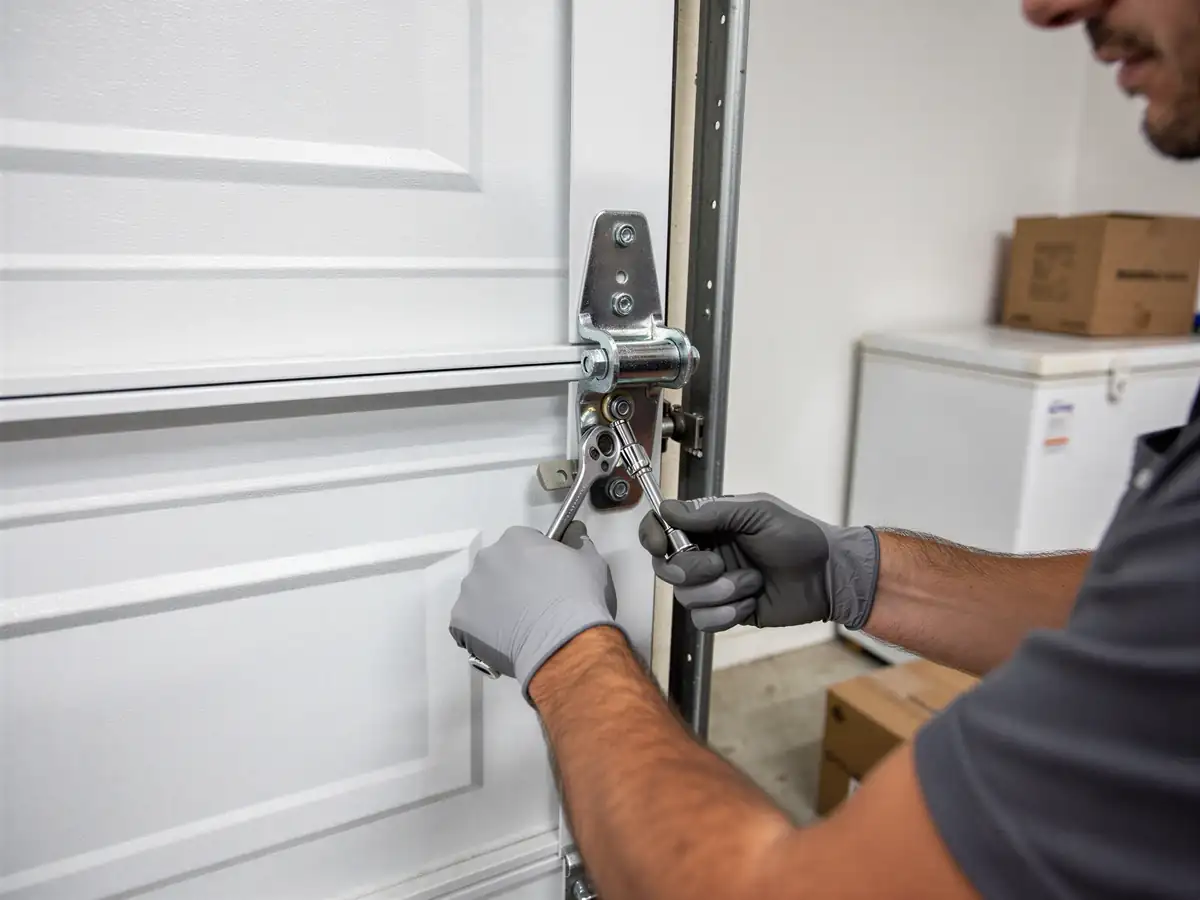
Ballenger Creek homes mostly went up in the late 1990s, which means specific opener and spring setups. We diagnose and fix them, traveling the 4 miles from Frederick.
Learn more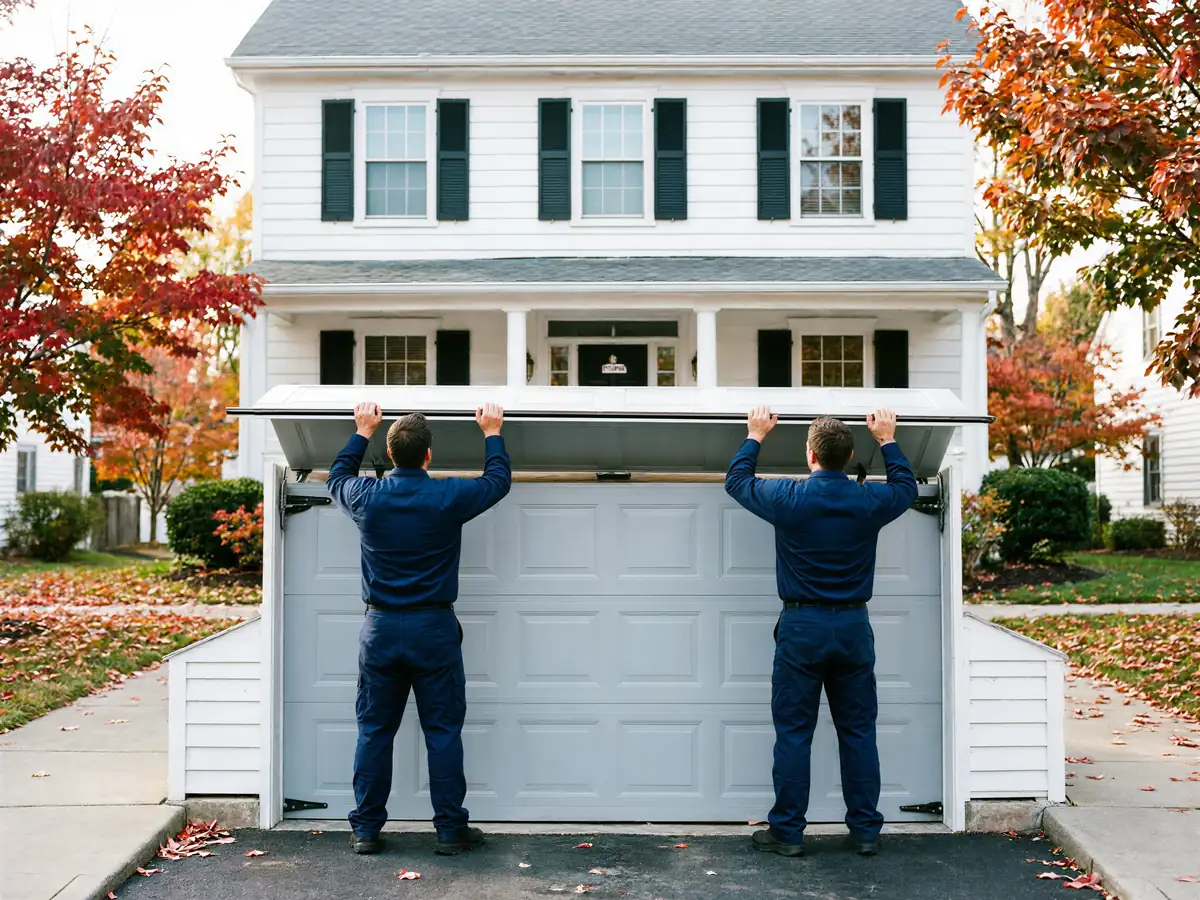
Ballenger Creek homes median build year 1998 means openers and springs now aging out. Frederick Garage Door Pros installs new doors sized to this stock, 4 miles from the shop.
Learn more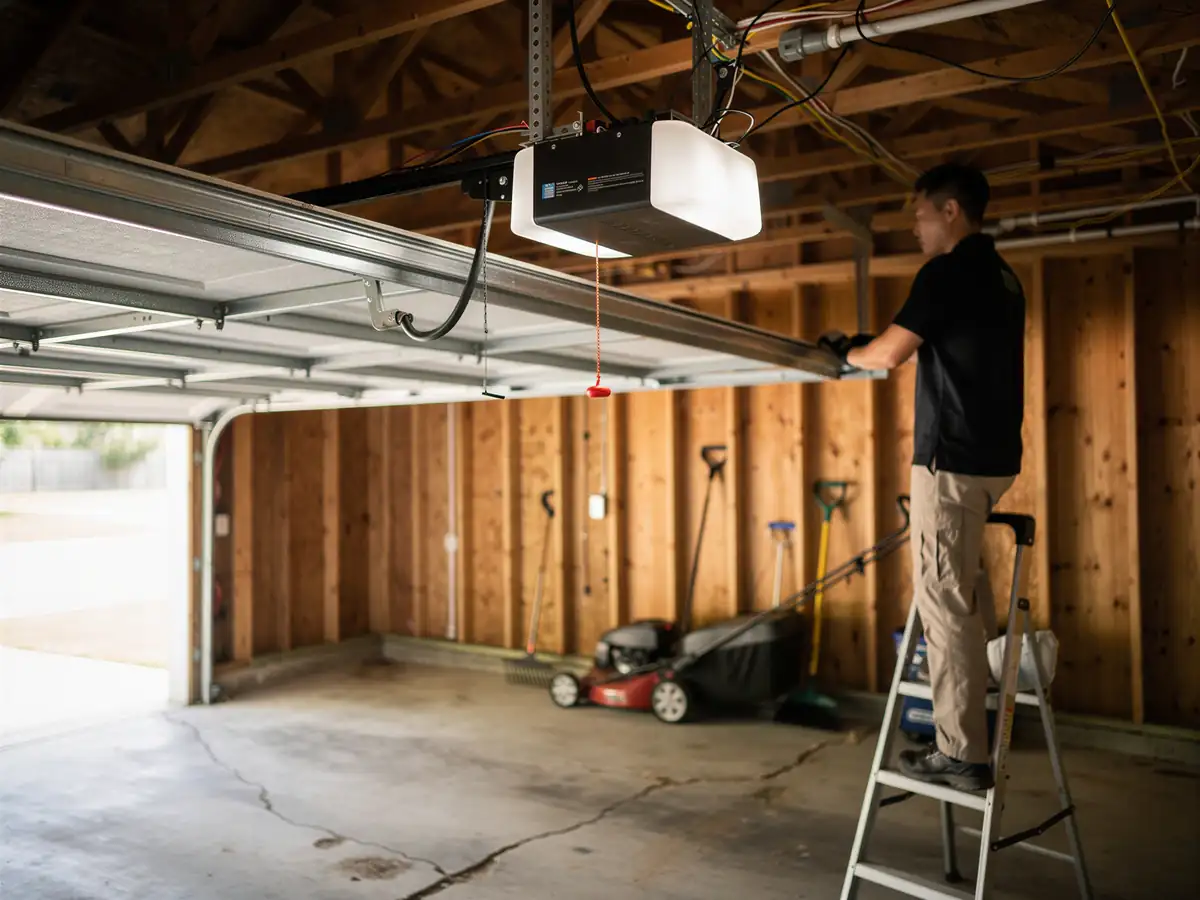
Opener repair for Ballenger Creek homes built mostly in the late 1990s, where original chain-drive units are now pushing 25 years. Service travels from Frederick, 4 miles out.
Learn more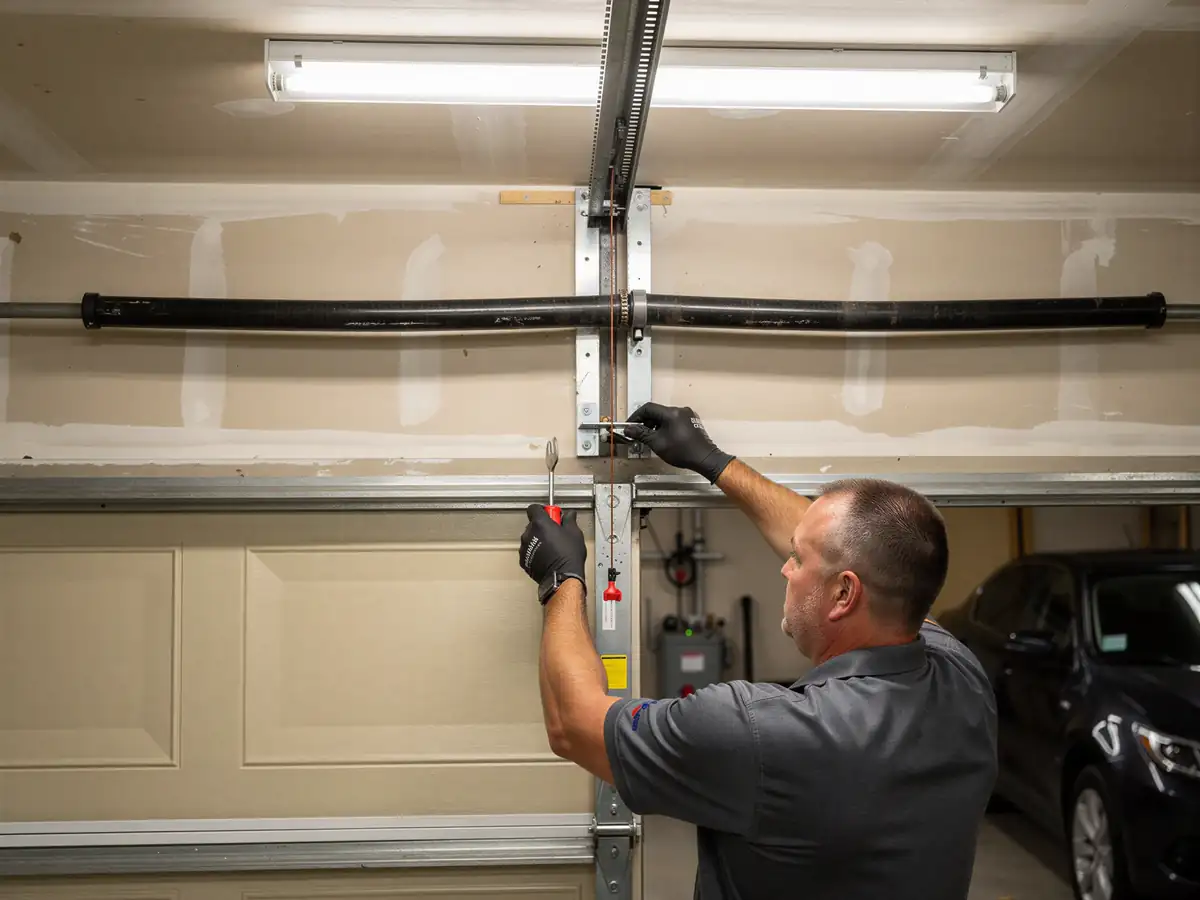
Ballenger Creek homes built around 1998 are hitting the age where chain-drive openers fail. We install new openers here, traveling 4 miles from Frederick.
Learn more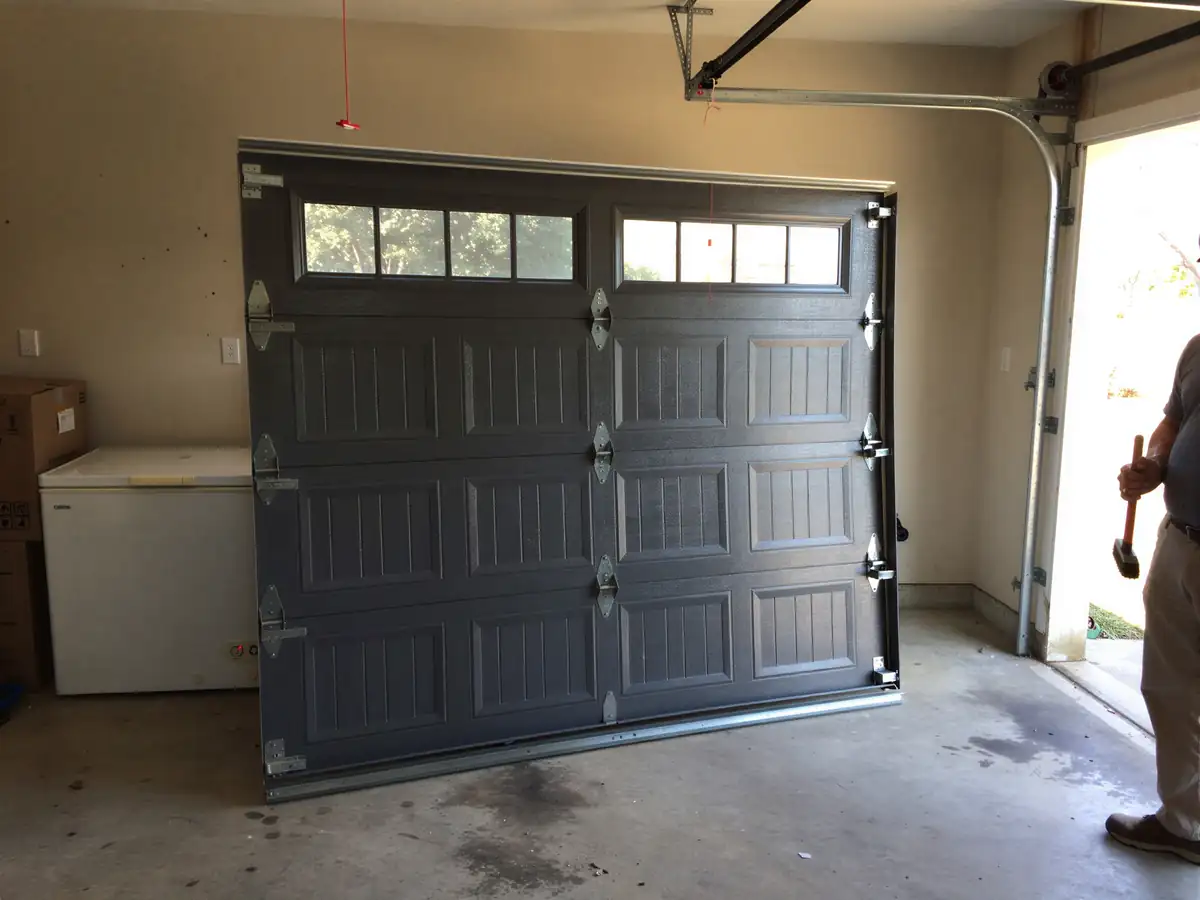
Ballenger Creek homes mostly date to 1998, later than Frederick's citywide median of 1991 - that newer stock means different rollers and track than older city doors. We come from Frederick, 4 miles out.
Learn more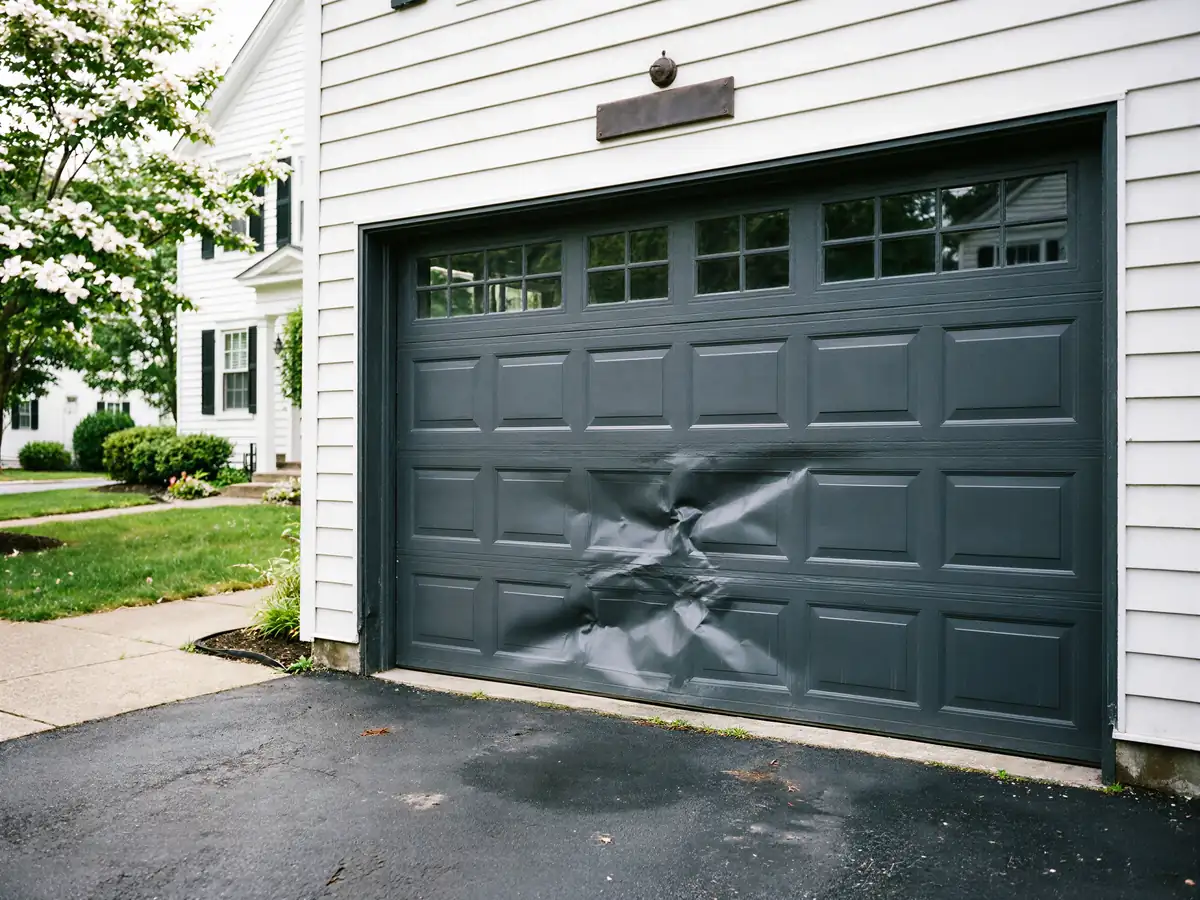
Panel replacement for the steel sectional doors common on Ballenger Creek's late-1990s builds. Frederick Garage Door Pros matches panels on doors built around 1998.
Learn more
Ballenger Creek homes mostly went up around 1998, later than much of Frederick's housing stock. That changes what breaks and what a repair should cost at local income levels.
Learn moreStraight answers about garage door repair in Frederick. Still unsure? Ask us directly.
About four miles. That's close enough that we can usually bring the parts for a same-day repair rather than needing a second trip to pick up something we didn't expect to need.
Mostly, yes. Housing here tends to date from around 1998, so we're dealing with standard torsion spring setups and steel hardware rather than the older extension-spring doors you find in homes built before the 1970s.
No. The spring is under the same tension regardless of what decade the door was built, and that tension is dangerous without the right bars and training. Lubrication and bolt tightening are fine for a homeowner - the spring itself isn't.
Yes. We've seen nylon rollers from the 1990s-2000s crack in cold snaps rather than wear down gradually, since the plastic gets brittle. It's a cheap part to replace before it fails completely.
Tell us what it’s doing and where you are in Frederick - we’ll take it from there.