Panel Replacement for Ballenger Creek's Late-1990s Steel Doors
Panel replacement for the steel sectional doors common on Ballenger Creek's late-1990s builds. Frederick Garage Door Pros matches panels on doors built around 1998.
Most houses in Ballenger Creek went up around 1998
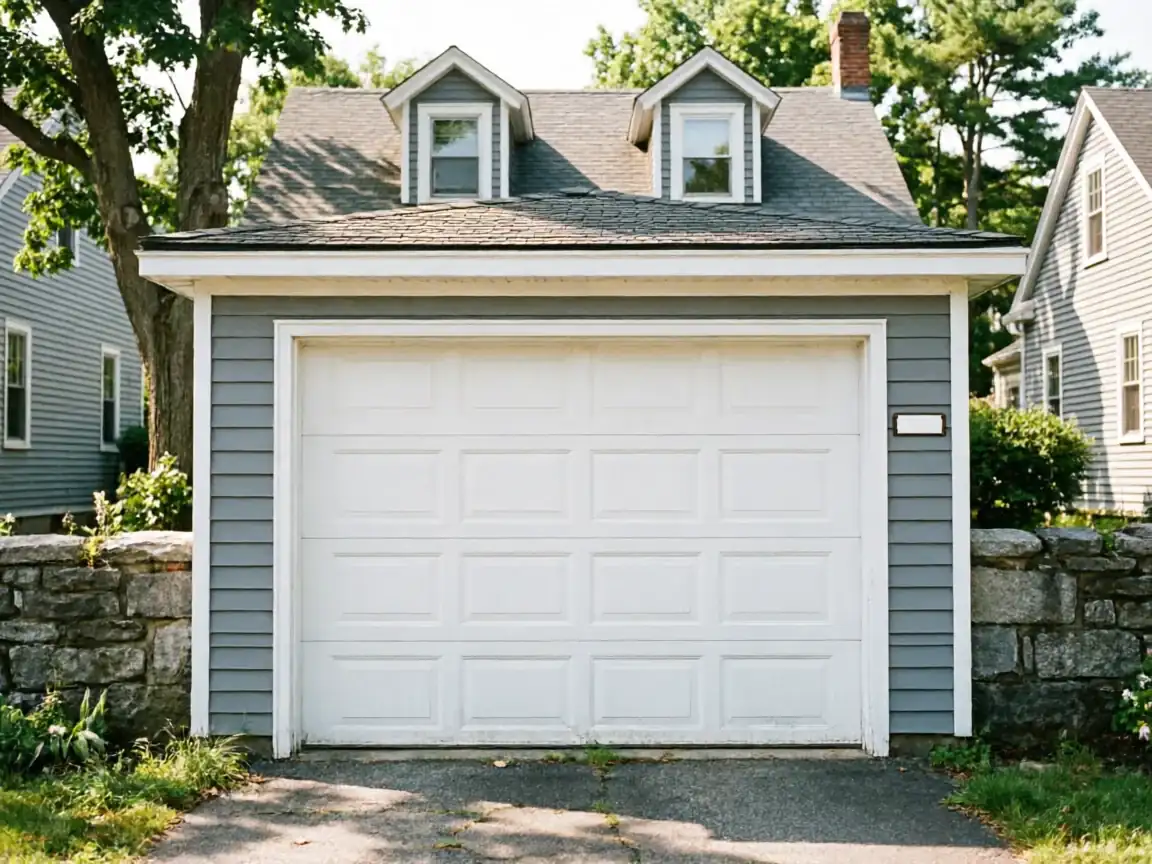
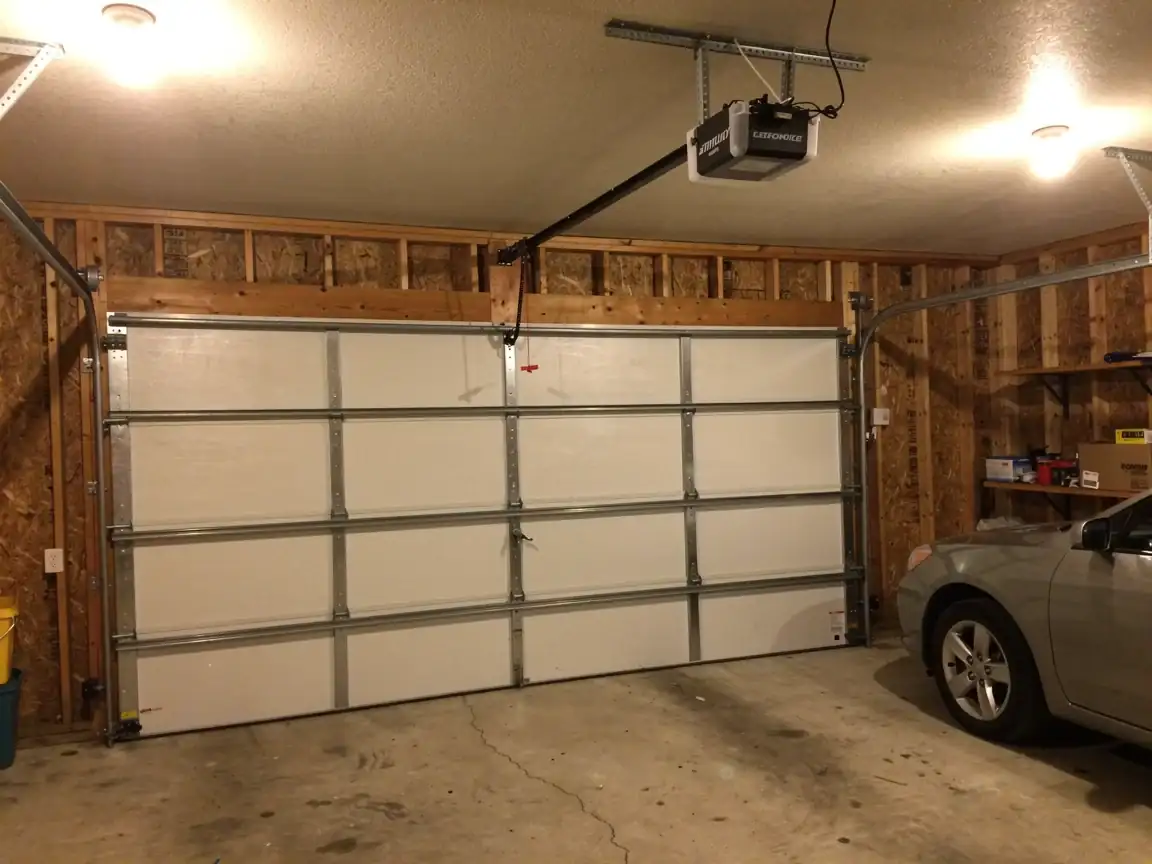
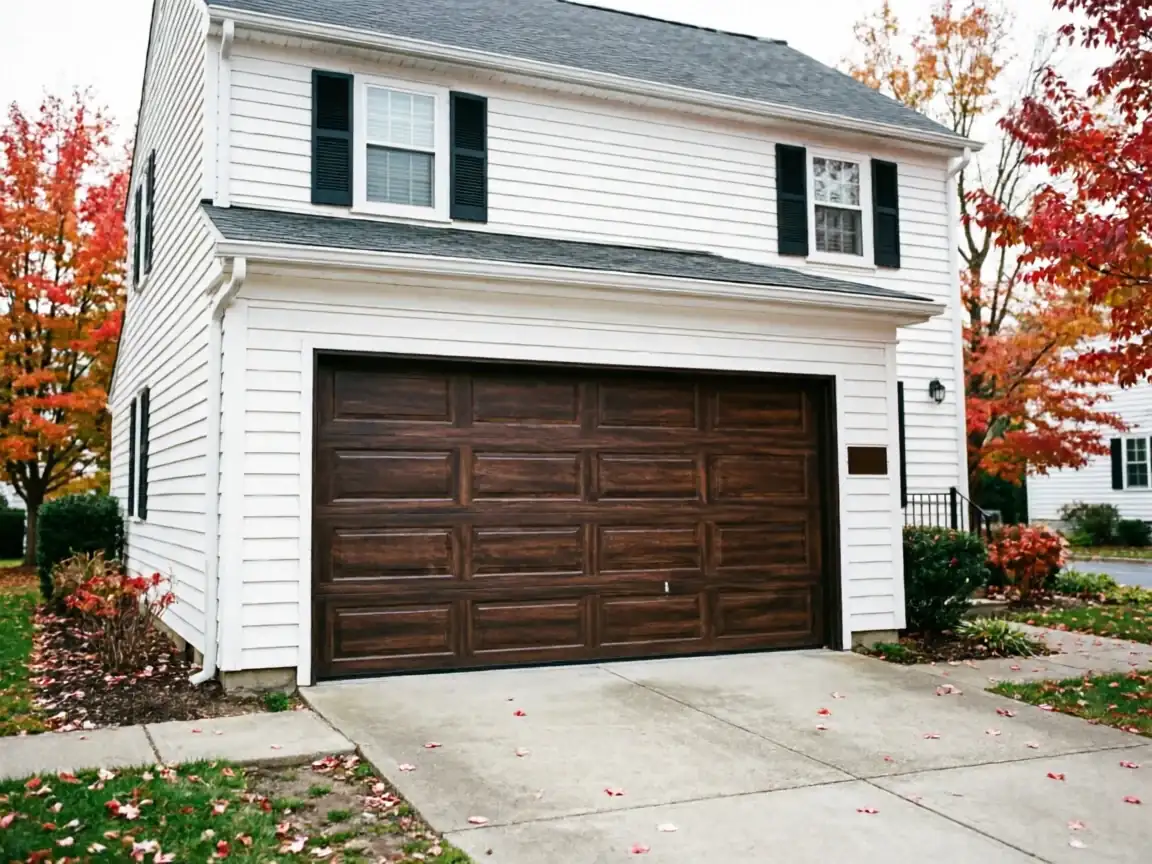
Which puts the garage door right in the era when builders switched from wood to steel sectional doors as the standard. These are typically 16x7 double-car doors or 8x7 single-car doors, built from raised-panel steel sections about 21 inches tall, often with a layer of polystyrene or polyurethane insulation sandwiched inside - a real feature here given the area sits in a cold-severe climate band where that insulation actually does work against the door sagging in freeze-thaw cycles.
02
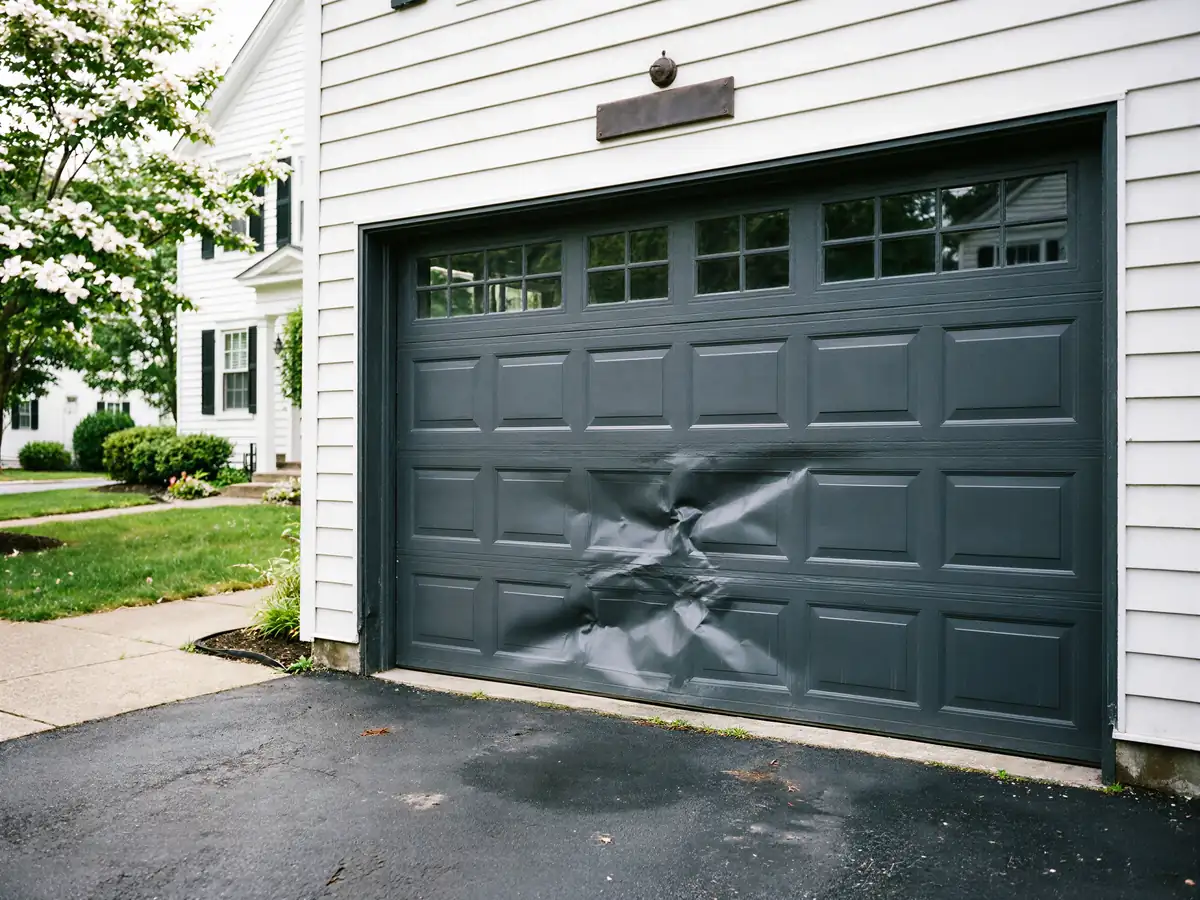
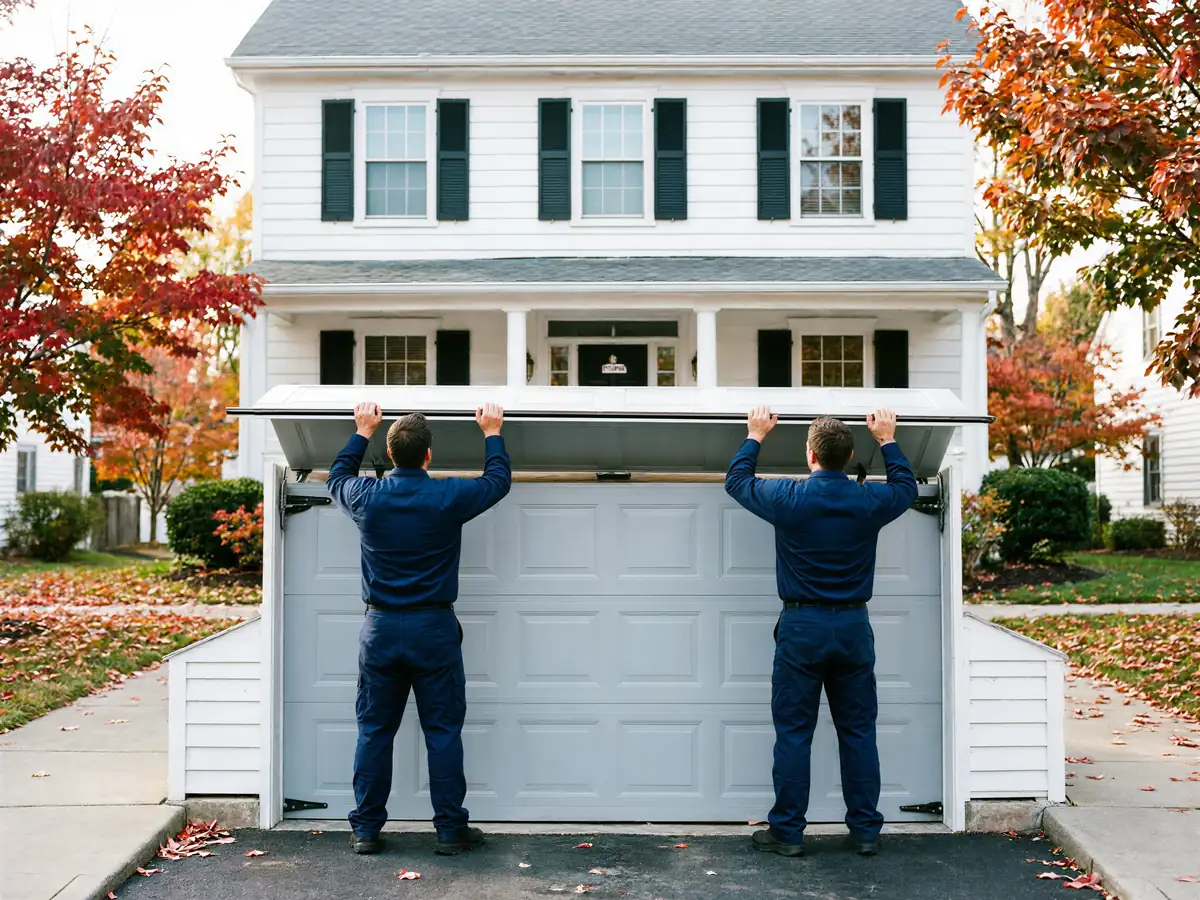
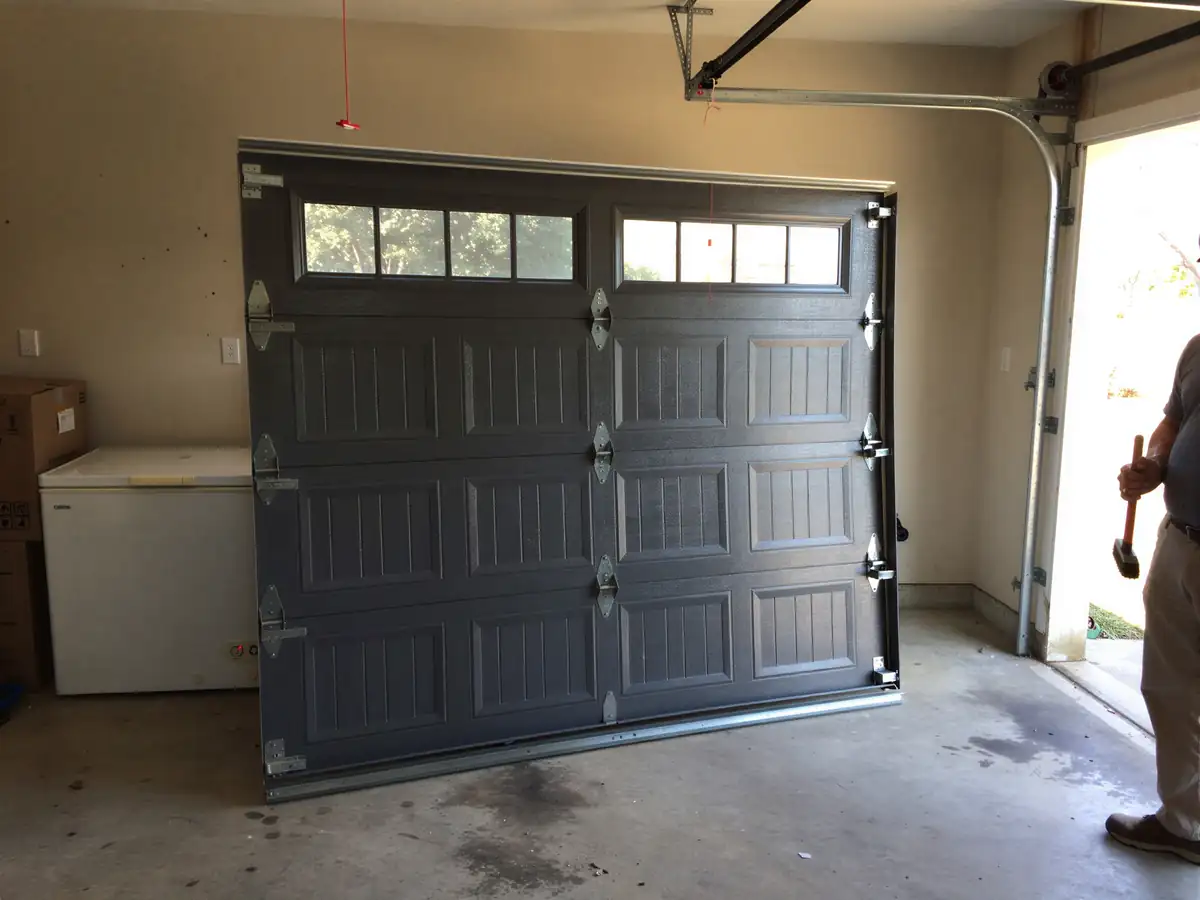
When one section gets hit by a car bumper, a falling branch, or just years of expansion and contraction
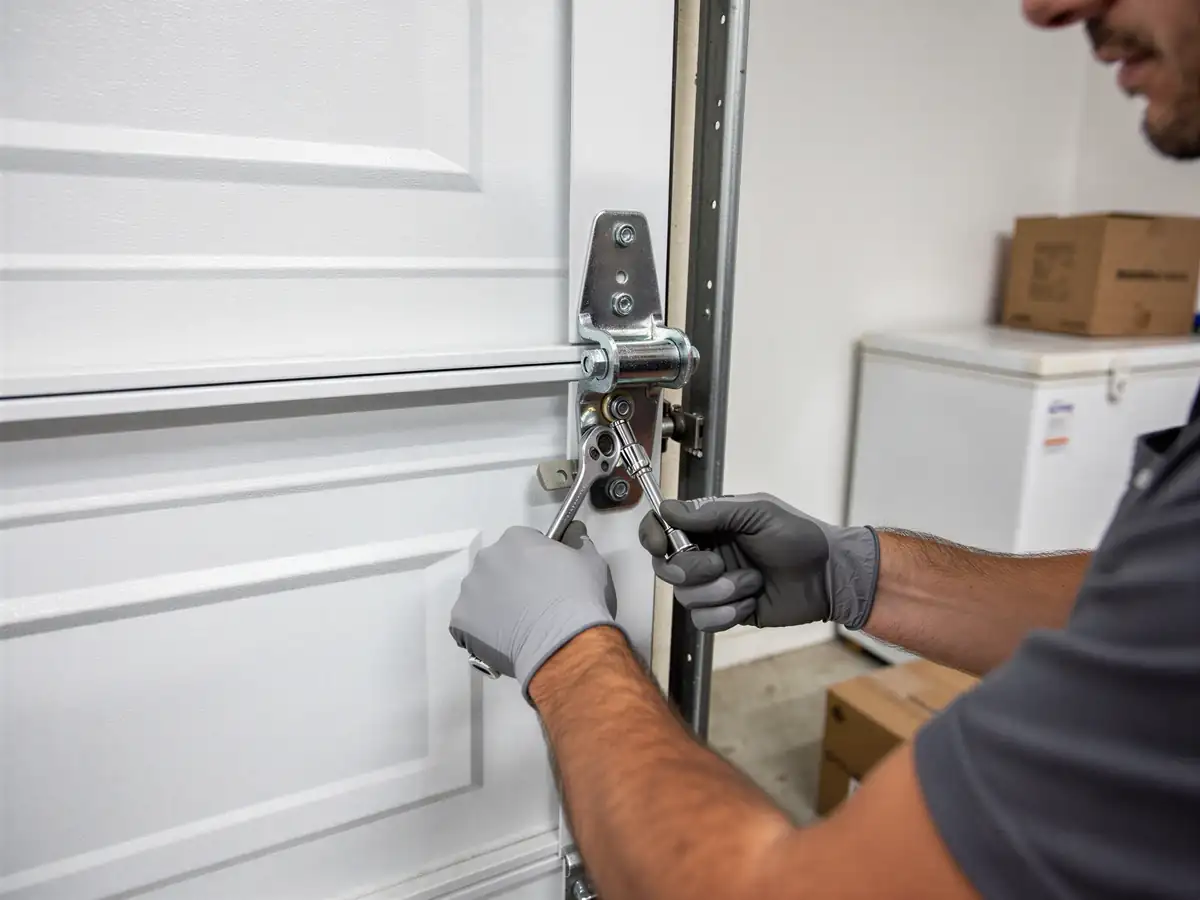
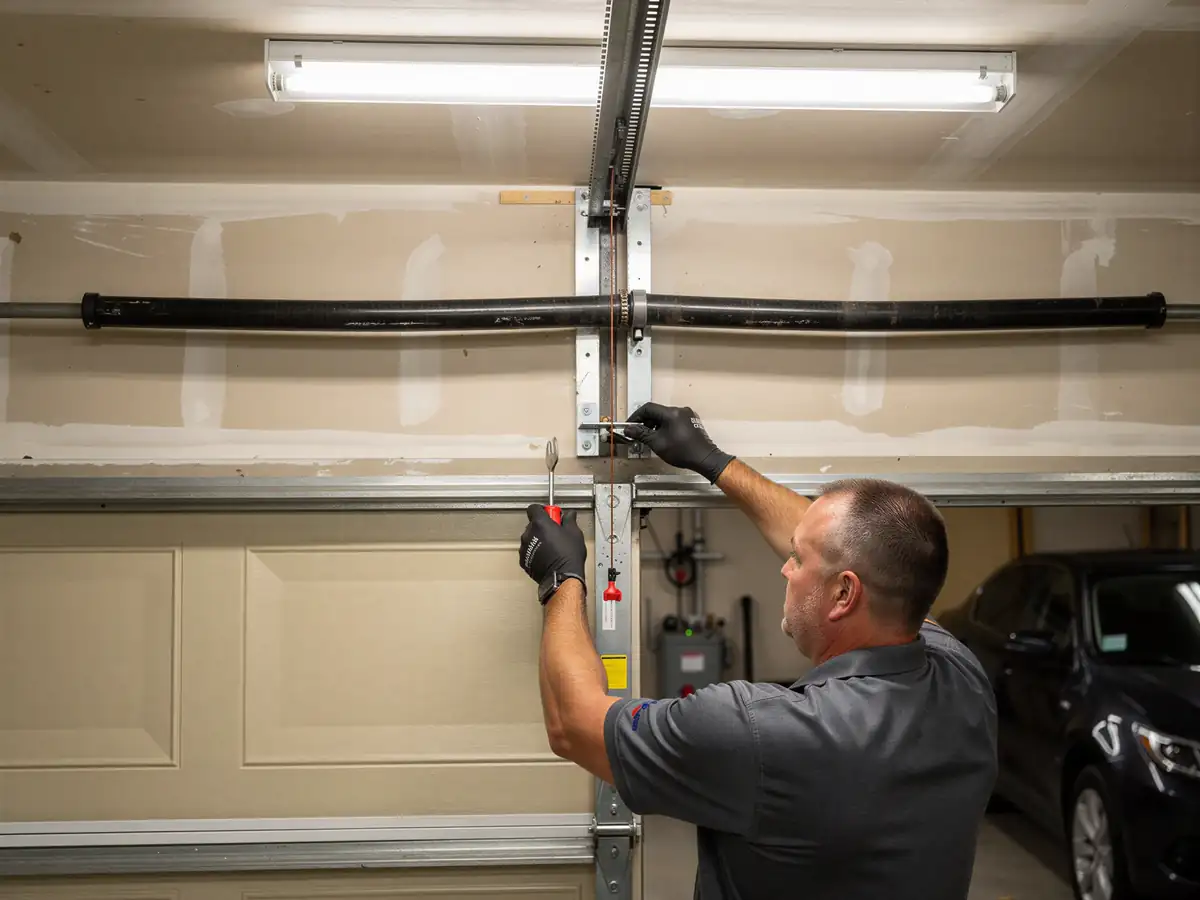
We don't replace the whole door if we don't have to. We pull the exact panel, match the color and the rib pattern as close as the original run allows, and set it back into the track with matching hinges and fasteners. Steel doors from this build period came in a handful of common widths and panel heights, so matching is usually possible, though exact factory color match on a 25+ year old door is sometimes close rather than perfect. We'll tell you straight if a panel match is going to be visibly off before we order anything.
How Long It Takes
A single panel swap on a door from this era, once the part is on hand, usually runs a couple hours on site, including balance checks and a look at the rollers and hinges around the damaged section. The real variable is the part, not the labor. Doors built in the late 1990s used panel profiles that some manufacturers have since changed or discontinued, so we're not always working off a shelf item. We travel out from Frederick for the job itself, and we'll give you a straight answer on parts timing once we've confirmed the make and panel size at your door rather than guessing over the phone.
Doing It Yourself
If the damage is cosmetic - a dent that didn't crack the steel or pop a seam - a DIY panel replacement on a door this age is possible if you can find the exact matching section, which is the hard part, not the install. The sections bolt together at predictable points and most homeowners with basic tools can swap a bottom panel without touching the opener or springs.
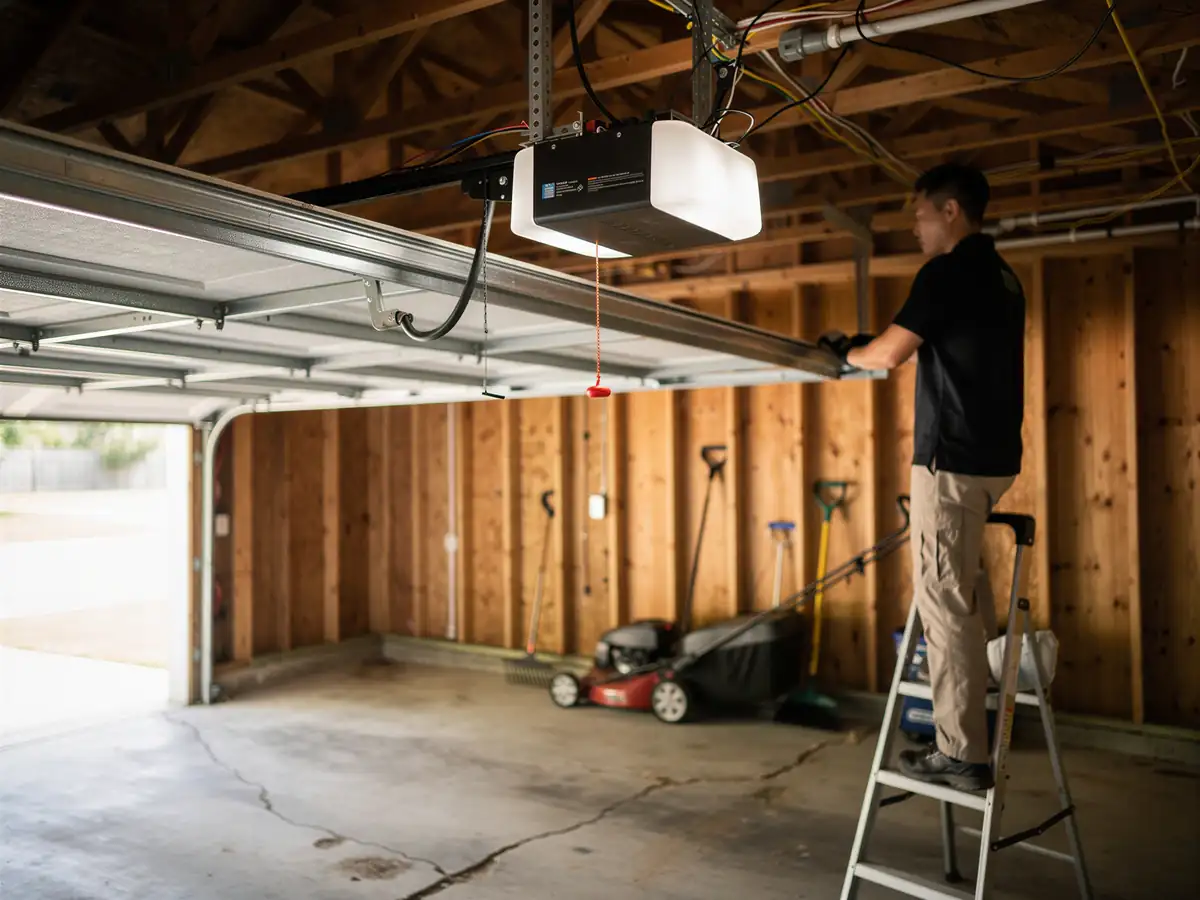
Where it stops being a weekend project is anything above the bottom two sections on a double door, because you're now working near or against a wound torsion spring under real tension, and those don't forgive mistakes. If your door is original to a 1998-era build, the spring has had close to three decades of cycles on it already, and disturbing it while you're mid-panel-swap is how a simple job turns into an ER visit. We'd rather get a call for that part of it.
Where This Job Goes Sideways
01
The panel usually isn't the whole story on a door this old
Pull one section out and you sometimes find the track behind it has a slight bow, or the roller stems have worn oval instead of round, both common after 25-plus years of a 9,680-household area's worth of daily openings and closings. Put a new panel on a bent track and it binds within a month, and the homeowner calls back thinking we sold them a bad part.
02
The other place it goes sideways is the insulation layer itself
On doors from this build era the foam backing is glued to the steel skin, and matching panels that still include intact insulation is a narrower search than finding bare steel replacements. If a panel's been cracked long enough for moisture to get into that foam, we'll tell you when a two-panel swap or a full door makes more financial sense than chasing a single discontinued part.
Parts We Carry
We stock the hinges, rollers, and fasteners that fit the steel sectional doors common to builds from the 1990s through the 2000s, since that covers most of what's on the ground within a few miles of Frederick. Specific panel sections are the one thing we usually order rather than stock, because matching color, rib pattern, and insulation type to a door installed around 1998 means ordering against the actual door, not a guess. We'd rather quote you an honest parts lead time than install a close-enough panel that sticks out on an otherwise good-looking door.
How it works
From “it’s stuck” to “it’s fixed”
01
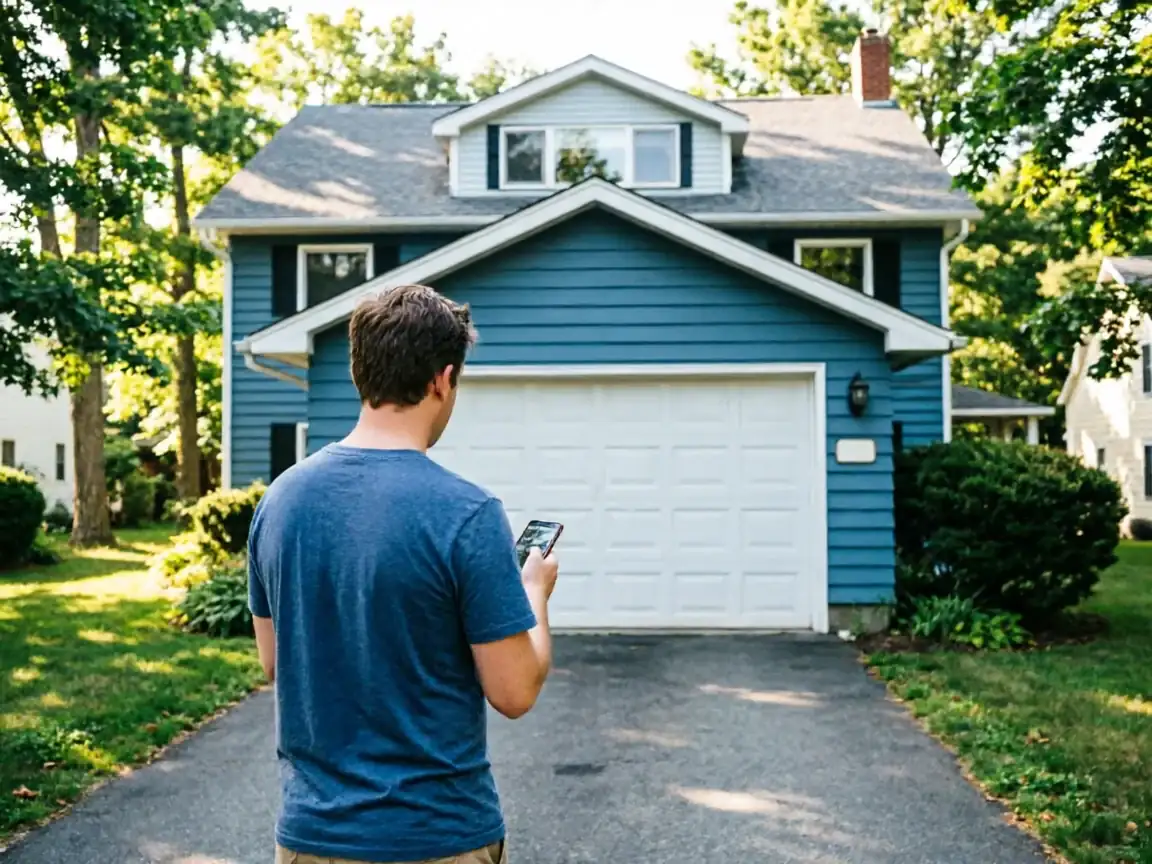
Tell us what’s wrong
Describe the symptom - won’t open, loud bang, opener runs but the door won’t move.
02
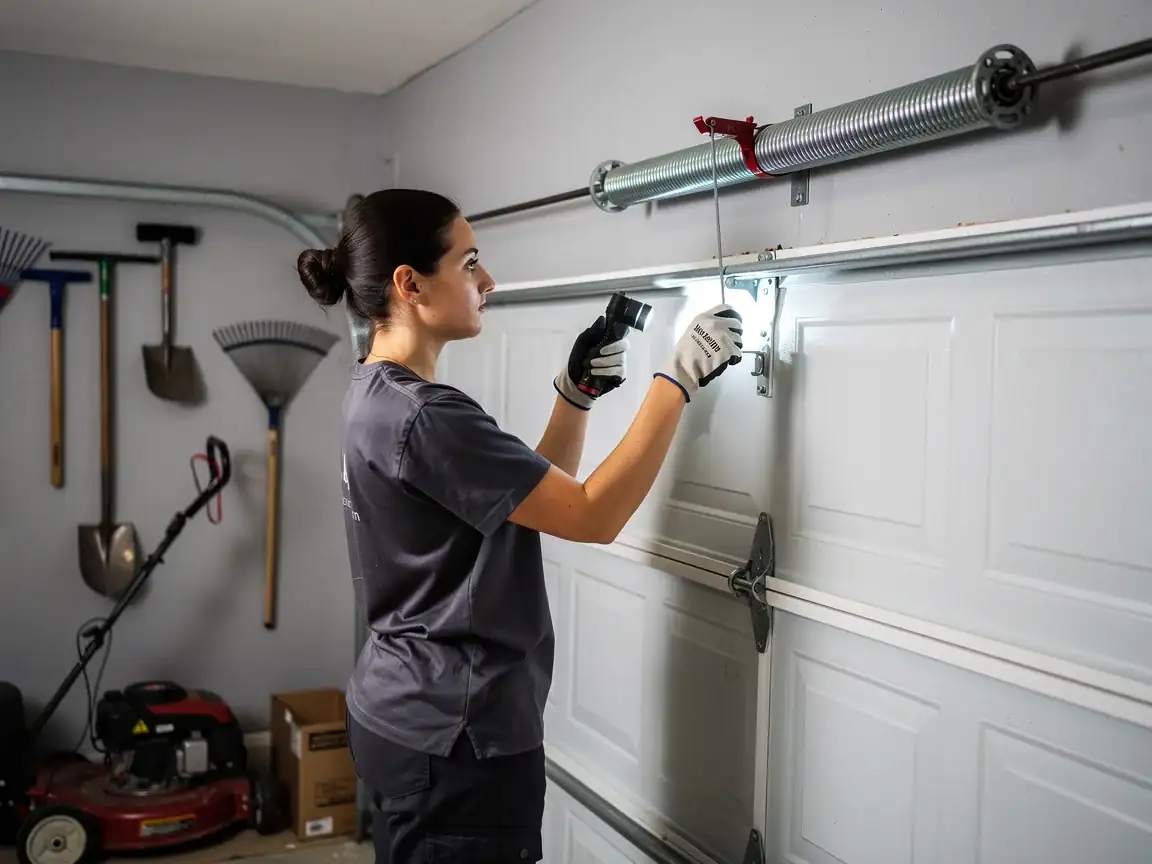
On-site diagnosis
A technician tests the door under power and by hand and finds what actually failed.
03
Clear, up-front plan
You get the fix that’s needed and what drives the cost - before any work starts.
04
Repaired & tested
The repair is done, the door is set true and tested, and the work area left clean.
Not sure which repair your door needs in Frederick, MD? Describe what it’s doing - every job starts with a diagnosis.
Straight answers about garage door repair in Frederick. Still unsure? Ask us directly.
Can you match a panel on a door that old?
Often, yes. Steel sectional doors built around 1998 used a limited number of panel profiles and widths, so an exact or close match is usually possible. Color can be slightly off after decades of UV fade, and we'll tell you honestly if that's the case before ordering.
Do you carry panels for Ballenger Creek homes in stock?
No. Hinges, rollers, and fasteners we stock, but specific panel sections get ordered against your actual door's make, size, and insulation type. We travel out from Frederick once the part is confirmed and on hand.
Is it worth replacing one panel on a 25-year-old door?
Usually, if the track and springs are still sound. If the insulation foam behind a cracked panel has taken on moisture, or the torsion spring is original and near the end of its cycle count, we'll walk you through whether a panel swap or a full door replacement actually saves you money.